
Introduction
In today’s fast-evolving packaging and #ContainersIndustry, the pressure to increase productivity while maintaining sustainability, compliance, and cost efficiency has never been greater. Companies are navigating unprecedented shifts fueled by automation, predictive analytics, and a rising global focus on circular economy packaging. As packaging machinery optimization becomes a central driver of operational excellence, executives are simultaneously grappling with widening leadership gaps that threaten organizational growth. The landscape between 2023 and 2025 has made it clear that strengthening leadership capabilities is just as essential as investing in advanced packaging materials or machinery upgrades. Understanding this dual challenge is crucial for small to mid-sized companies aiming to stay competitive in a market where innovation, sustainability, and resilience define long-term success. More insights can be found at BrightPath Associates.
The Evolving Demands of Packaging Machinery Optimization
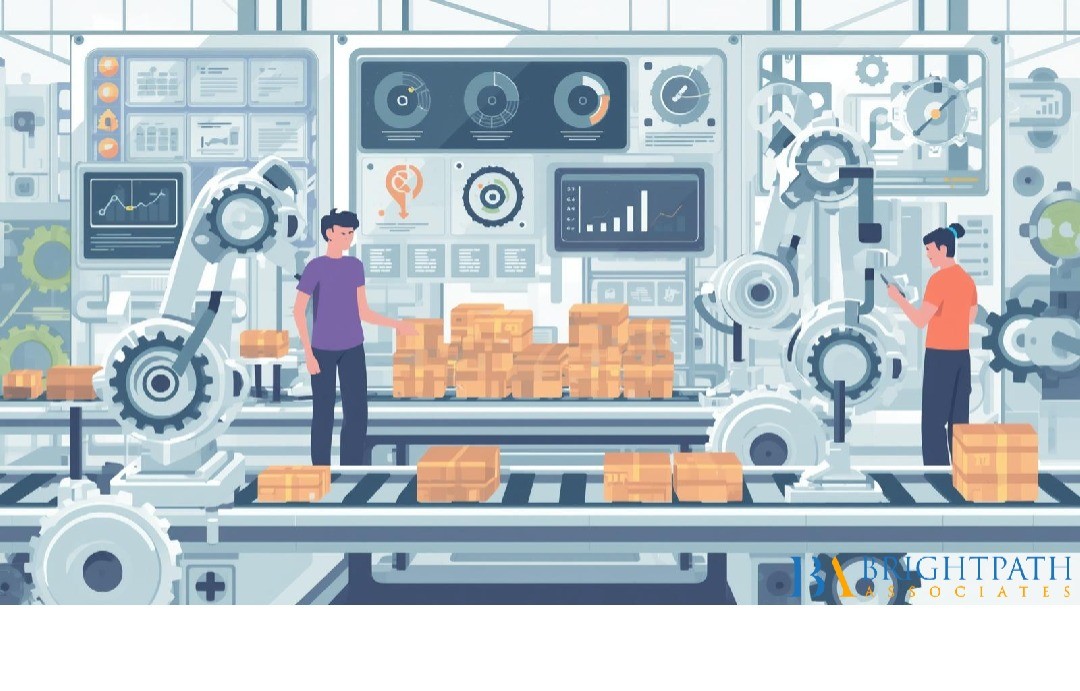
Optimizing packaging machinery is no longer limited to routine maintenance or incremental upgrades. The emergence of predictive analytics packaging tools, regenerative packaging practices, and advanced robotics has redefined what operational efficiency looks like. Equipment today is expected to run faster, produce less waste, and support both sustainable packaging certifications and bioplastic packaging development initiatives. Packaging companies now depend on sophisticated real-time monitoring systems capable of detecting micro-level inefficiencies long before they escalate into downtime.
This shift has led to a greater reliance on digital transformation, particularly in automating repetitive tasks, improving supply chain resilience in packaging, and ensuring machinery can adapt to new materials that support circular economy packaging standards. Smart sensors, AI-driven optimization models, and machine learning-based forecasting have become essential to running efficient packaging lines. For C-suite executives, the challenge lies not only in adopting the right technologies but in finding leaders capable of orchestrating advanced automation within complex operational environments. The need to align machinery optimization with long-term sustainability goals demands leadership that blends engineering knowledge, digital fluency, and strategic foresight.
Rising Expectations for Leadership in a Digitally Driven Packaging Industry
Between 2023 and 2025, the expectations placed on #PackagingIndustry executives have changed dramatically. Organizations now require leaders who can navigate disruptive technologies, embrace regenerative packaging models, and drive innovation across machinery, materials, and environmental compliance. The focus has shifted from traditional mechanical expertise to a broader digital-first skillset. Executives must understand predictive analytics packaging systems, sustainable procurement, production robotics, and supply chain digitization, making leadership roles far more complex than they were even a few years ago.
This evolution has contributed to a growing packaging industry labor shortage, particularly in specialized leadership positions. While companies continue to invest in cutting-edge machinery, many face difficulties recruiting leaders capable of maximizing these investments. In fact, recent industry analyses reveal that more than half of small to mid-sized packaging firms struggle to find executives who can lead digital transformation initiatives effectively. Without strategic leadership, machinery optimization efforts often result in fragmented implementation, underutilized systems, and missed opportunities for cost reduction and output improvement.
Executives who blend operational expertise with digital transformation skills are in high demand but limited supply. This scarcity has forced companies to rethink leadership development and adoption strategies while turning toward specialized recruitment solutions to fill increasing capability gaps.
The Impact of Technology on Machinery Optimization and Leadership Structures
Technology sits at the center of packaging machinery optimization, driving new efficiencies through robotics, automated quality checks, IoT-enabled equipment, and advanced data management systems. Predictive maintenance powered by AI helps companies reduce unplanned downtime by as much as 40%, while digital twins allow teams to simulate performance across different materials and production scenarios. These advancements not only improve operational performance but also support companies’ sustainability commitments by reducing waste, energy consumption, and material usage.
However, such technological integration fundamentally transforms leadership structures. Executives must now oversee multidisciplinary teams combining mechanical engineers, software developers, data analysts, and sustainability specialists. Leaders who previously focused on machinery output must now manage interconnected digital ecosystems that impact production, compliance, and the company’s broader sustainability strategy. This shift amplifies the urgency of addressing leadership shortages through targeted executive recruitment.
Without strong leadership, packaging companies often fail to extract maximum value from digital transformation initiatives. Incomplete integration, poor change management, and insufficient digital training can undermine machinery optimization, resulting in inefficient line performance and rising operational costs. For businesses aiming to adopt circular economy packaging or regenerative packaging frameworks, a lack of capable leadership can stall progress and hinder competitiveness in an industry increasingly shaped by ESG expectations.
The Strategic Evolution of Recruitment in the Packaging Sector from 2023 to 2025
#RecruitmentPractices across the packaging and containers industry have undergone a significant transformation from 2023 to 2025 due to the rising complexity of leadership roles. Companies no longer seek executives with purely operational or engineering backgrounds. Instead, they require transformative leaders capable of guiding digital initiatives, managing sustainability programs, and driving predictive analytics packaging strategies. This new class of leaders must understand packaging machinery optimization within the larger context of environmental responsibility, regulatory compliance, and supply chain resilience.
The growing use of bioplastic packaging development and sustainable packaging certifications demands leaders who can coordinate cross-functional teams and innovate within stringent environmental frameworks. Likewise, the shift toward automation and robotics requires executives who can make high-impact decisions regarding technology procurement, workforce upskilling, and machinery integration.
As hiring needs expand, internal talent pipelines have proven insufficient. Many small and mid-sized packaging companies lack the internal recruitment infrastructure to identify, attract, and evaluate such highly specialized leaders. This scarcity has driven a surge in the demand for executive search recruitment partners with deep industry expertise. Strategic recruitment has become essential to ensuring companies secure leaders capable of navigating digital transformation and machinery optimization successfully.
Executive Search Recruitment as the Strategic Solution to Leadership Gaps
#ExecutiveSearchRecruitment provides packaging and containers companies with access to a broader and more qualified talent pool than traditional hiring channels. Specialized search partners such as BrightPath Associates understand the complexities of modern packaging operations, sustainability requirements, and digital transformation challenges. They are uniquely equipped to identify leaders who possess both the technical understanding of packaging machinery optimization and the strategic mindset required to scale organizational performance.
Through targeted executive search recruitment, companies can secure leaders who excel not only in managing daily operations but also in optimizing production lines, integrating advanced technologies, and steering long-term sustainability initiatives. These leaders bring the expertise required to implement circular economy packaging strategies, advance supply chain resilience, and maintain operational excellence amid labor shortages and shifting market demands.
Strong leadership ensures that investments in predictive analytics systems, advanced packaging materials, and automation translate into measurable productivity gains. Executive recruitment thus becomes an essential enabler of innovation, business continuity, and organizational competitiveness within the packaging sector.
Conclusion
Packaging machinery optimization has become a cornerstone of operational excellence and competitive differentiation in the packaging and containers industry. As businesses adopt advanced technologies, sustainable materials, and predictive analytics packaging systems, the need for strong, forward-thinking leadership intensifies. Between 2023 and 2025, leadership shortages and shifting qualifications have significantly reshaped recruitment practices, making executive search recruitment a critical strategy for companies aiming to maximize output and drive digital transformation.
By securing leaders capable of integrating sustainability, technology, and operational efficiency, packaging companies can unlock the full potential of their machinery, enhance supply chain resilience, and strengthen their role in the transition toward regenerative and circular economy packaging. In an industry defined by innovation and global change, strategic leadership remains the key to long-term success.
Find your next leadership role in Plastics Industry today!
Stay informed with the latest insights on Plastics Industry!