
Introduction
The #IndustrialSector is a cornerstone of economic development, driving innovation and providing essential goods and services. Sustainable growth within this sector is a critical goal for ensuring long-term success and resilience in the face of global challenges. This article explores various strategies that industrial businesses can implement to achieve sustainable growth, focusing on key areas such as innovation, efficiency, and workforce development.
Embracing Industrial Automation
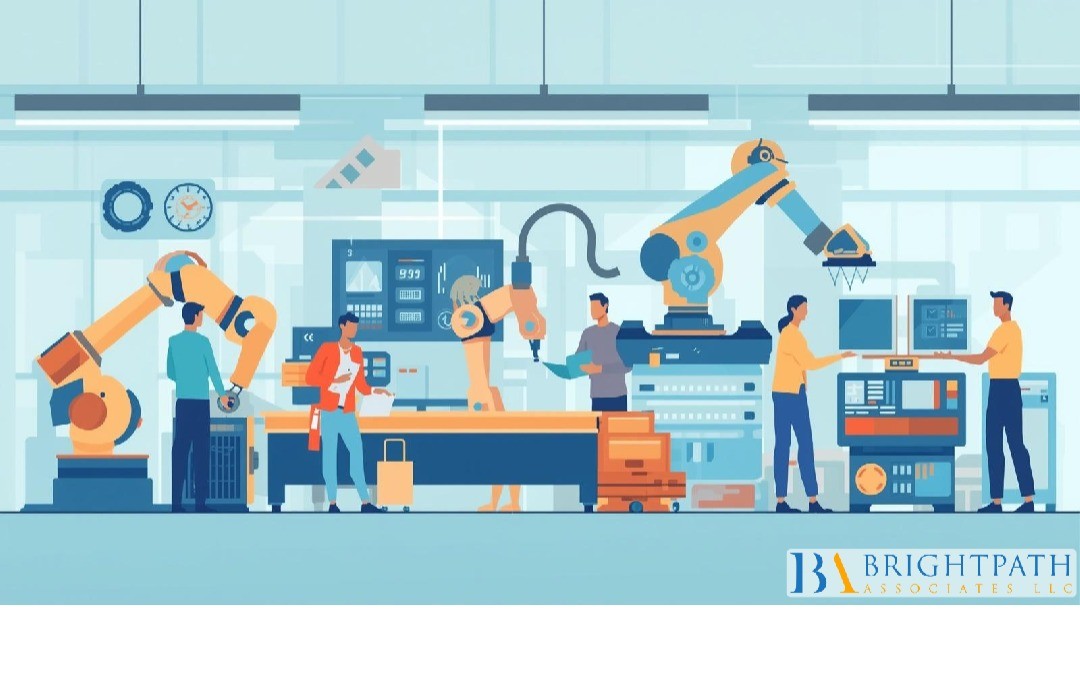
Industrial automation is transforming the landscape of manufacturing. By integrating automated systems, businesses can enhance production efficiency and reduce operational costs. Automation allows for precision machining, which not only improves product quality but also minimizes waste. US machinery manufacturers are increasingly adopting robotic solutions and artificial intelligence to streamline operations and boost productivity.
Automation also plays a pivotal role in responding to market fluctuations and consumer demands. By utilizing real-time data and analytics, businesses can make informed decisions, optimize production schedules, and maintain competitive advantage. Thus, integrating industrial automation is a vital strategy for sustainable growth in the manufacturing sector.
Innovating with Precision Machining
Precision machining is an essential aspect of modern manufacturing, enabling the creation of intricate components with high accuracy. This technology is crucial for industries that demand superior quality and performance, such as aerospace and medical devices. By investing in advanced CNC machining capabilities, businesses can meet stringent industry standards and enhance their product offerings.
Moreover, precision #MachiningContributes to sustainability by reducing material waste and energy consumption. As manufacturers seek to minimize their environmental impact, adopting precision machining techniques can lead to significant improvements in sustainability metrics. Therefore, fostering innovation in this area is crucial for industrial businesses aiming for sustainable growth.
Optimizing Machinery Maintenance
Machinery maintenance is a fundamental aspect of ensuring operational efficiency and longevity. Proactive maintenance practices can prevent unexpected breakdowns, reduce downtime, and extend the lifespan of industrial machinery. Implementing predictive maintenance technologies, such as IoT sensors and machine learning algorithms, allows for real-time monitoring and early detection of potential issues.
US machinery manufacturers are increasingly prioritizing maintenance as a strategic initiative. By investing in machinery maintenance, businesses can enhance their manufacturing efficiency and reduce costs associated with repairs and replacements. A well-maintained machinery fleet not only improves operational reliability but also contributes to a more sustainable business model.
Exploring Machinery Financing Options
Investing in new machinery can be a significant financial burden for industrial businesses, especially small and medium-sized enterprises. To facilitate sustainable growth, companies must explore various machinery financing options. Leasing, equipment loans, and vendor financing are viable solutions that allow businesses to acquire essential equipment without straining their capital reserves.
#MachineryFinancing enables companies to access cutting-edge technology, such as industrial automation and precision machining equipment, without the need for large upfront investments. This approach not only supports growth but also enhances competitiveness in the ever-evolving manufacturing landscape.
Leveraging Used Machinery
The rising cost of new machinery has led many industrial businesses to consider used machinery as a cost-effective alternative. By purchasing pre-owned equipment, companies can achieve substantial savings while maintaining operational capabilities. The market for used machinery has become increasingly sophisticated, with many reputable dealers offering high-quality, refurbished equipment.
Used machinery can provide a viable solution for businesses looking to expand their operations or enter new markets without significant financial investment. Additionally, purchasing used equipment aligns with sustainability goals by reducing the demand for new resources and minimizing waste.
Enhancing Manufacturing Efficiency
Manufacturing efficiency is a critical determinant of an industrial business’s success. Streamlining production processes, optimizing resource utilization, and minimizing waste are essential strategies for achieving sustainable growth. Lean manufacturing principles, such as continuous improvement and waste reduction, can significantly enhance efficiency across the production cycle.
#IndustrialBusinesses should also focus on energy management, implementing measures to reduce energy consumption and improve sustainability. By enhancing manufacturing efficiency, companies can increase profitability and reduce their environmental footprint, contributing to long-term growth and resilience.
Fostering Workforce Development
A skilled workforce is the backbone of any successful industrial business. As the sector evolves, there is an increasing demand for highly trained professionals in areas such as CNC machining, industrial automation, and machinery maintenance. Companies must invest in workforce development initiatives to attract and retain top talent.
#ExecutiveSearchRecruitment is a valuable tool for identifying skilled professionals who can drive innovation and growth. By partnering with specialized recruitment agencies, businesses can access a diverse pool of candidates with the expertise needed to navigate the complexities of modern manufacturing.
Moreover, providing ongoing training and development opportunities for existing employees is essential for fostering a culture of continuous improvement. By empowering the workforce with the necessary skills and knowledge, industrial businesses can ensure sustainable growth and remain competitive in the global market.
Conclusion
Sustainable growth in industrial businesses requires a multifaceted approach, encompassing innovation, efficiency, and workforce development. By embracing industrial automation, precision machining, and proactive maintenance, companies can enhance operational performance and reduce environmental impact. Exploring machinery financing and used equipment options can alleviate financial constraints and support expansion efforts. Finally, investing in workforce development through executive search recruitment and training programs is crucial for building a resilient and innovative industrial sector.
These strategies collectively contribute to a more sustainable industrial business model, ensuring long-term success in an ever-changing economic landscape. As the industry continues to evolve, businesses must remain agile and forward-thinking, leveraging these strategies to achieve sustainable growth and drive positive change.
Find your next leadership role in Industrial Automation Industry today!
Stay informed with the latest insights on Industrial Automation Industry!