
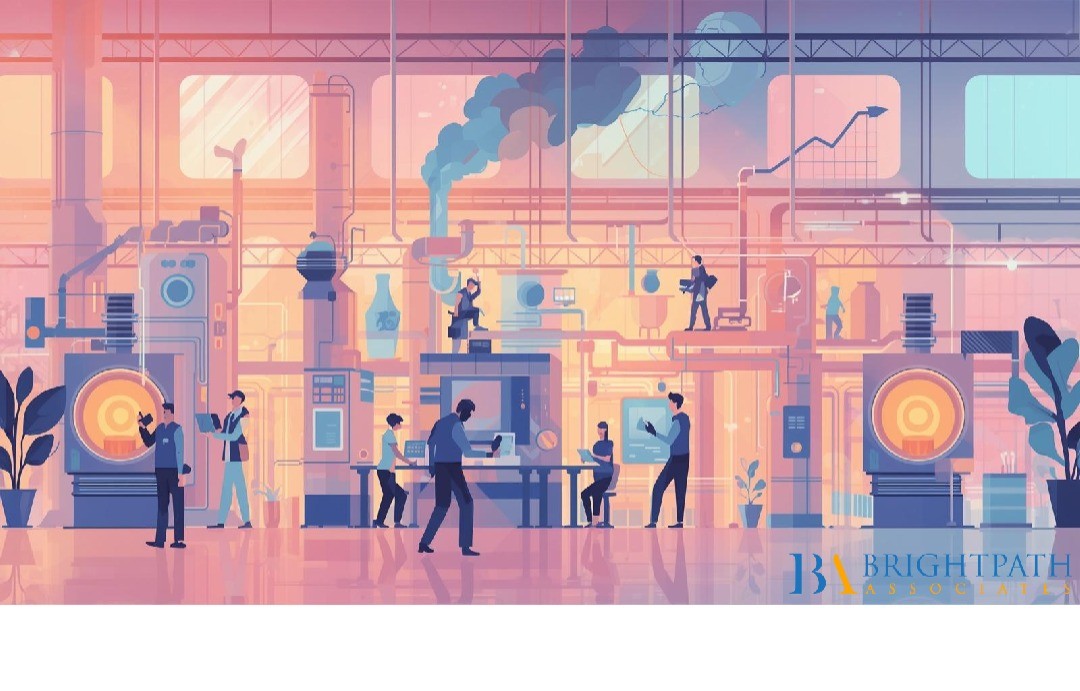
Introduction to Glass Manufacturing Industry Trends
The #GlassManufacturingIndustry is undergoing a significant transformation, driven by a blend of emerging technologies, market demands, and sustainability imperatives. Current trends reveal how manufacturers are increasingly investing in automation to maintain competitiveness in a rapidly advancing market. With challenges such as rising material costs and supply chain disruptions creating hurdles, innovation and modernization have never been more critical. Industry players understand that staying relevant in the market requires not just maintaining current practices, but actively embracing technological advancements and automating processes. This trend is not merely a reflection of current demands but is rapidly becoming a necessity for survival in an industry characterized by intense competition and evolving consumer expectations.
The Role of Automation in the Glass Industry
Automation has emerged as a pivotal force in driving efficiency and productivity within the glass industry. By incorporating automated systems, manufacturers are not only able to streamline production, but also enhance quality control and reduce wastage. Notable case studies include companies like Lippert Components and those in the fenestration sector, which have successfully integrated automation into their operations to significant effect. These companies showcase how automation can conservatively predict and manage production cycles, quickly adapt to new designs, and decrease dependency on human labor for repetitive tasks. Furthermore, automation technologies, which include robotics, machine learning, and IoT integration, provide real-time data and insights that empower manufacturers to make informed decisions and optimize their processes continuously.
Benefits of Automation for Glass Manufacturers
The benefits that automation brings to the glass manufacturing industry are manifold. Firstly, it helps in reducing costs by minimizing downtime and production errors through precision and reliability in machinery. Secondly, productivity enhancements are realized through optimized workflows and reduced manual intervention, allowing for faster turnaround times and improved output rates. Thirdly, automation facilitates quality improvements, as machines can perform complex tasks with high precision, ensuring consistent output. Additionally, in a time when supply chain issues and labor shortages are prevalent, automation helps manufacturers mitigate these challenges by fostering a more flexible and resilient production environment. This adaptability plays a crucial role in driving sustainable growth, positioning companies to better weather future market fluctuations and demands. Ultimately, embracing automation enables manufacturers to focus on innovation and product development as they streamline #OperationalEfficiency.
Impact of Automation on Workforce and Employment
As automation becomes more widespread, the glass manufacturing labor market is witnessing a shift from manual labor towards more specialized roles. Employees are now required to possess higher technical skills, with ample career progression opportunities emerging in roles focused on the oversight and maintenance of automated systems. Companies are investing in training and development programs aimed at equipping their workforce with the necessary skills to thrive in an automated environment. This transition not only enhances employee skill sets but also boosts job satisfaction by providing more engaging and intellectually stimulating roles. The shift also encourages a culture of continuous learning within organizations, as workers adapt to advancements in technology and the evolving nature of their jobs, reinforcing their value within the company and the industry at large.
Strategic Investment in Automation for Long-term Success
Investing in automation is not merely a short-term solution but a strategic move towards long-term success. The return on investment often justifies the initial costs, as automation drives competitive advantage through increased efficiency and reduced operational expenses. Strategic benefits are augmented when automation is paired with advanced #SoftwareTechnologies, allowing for optimized operations and informed decision-making. Therefore, it is vital for manufacturers to choose automation solutions that align strategically with their long-term goals. Statistics from industry reports highlight that well-implemented automation leads to significant improvements in manufacturing output and market share, affirming the critical role that these technologies play in future-proofing businesses. Moreover, as companies increasingly adopt these innovations, the collective push towards automation elevates industry standards, encouraging further growth and advancements in glass manufacturing processes.
Challenges and Considerations in Implementing Automation
Despite the numerous advantages, companies looking to adopt automation must navigate a range of challenges. Initial investment costs can be high, and there may be resistance to change within the organization, which can stem from fear of job loss or a reluctance to adapt to new methodologies. Additionally, technology integration requires careful planning and management to ensure seamless operation alongside existing systems. Risk management is crucial in this transition, as is being prepared for potential technological malfunctions or disruptions. Furthermore, organizations must also consider cybersecurity implications when implementing automated systems, ensuring robust protection against potential threats that could disrupt operations. Addressing these challenges requires strong leadership and a commitment to fostering a supportive culture that embraces change.
The Future of Glass Manufacturing with Automation
Looking ahead, the trend towards automation in the glass industry shows no signs of slowing. As technology further advances, predictions suggest that automation will play a significant role in driving product innovation and global competitiveness. Manufacturers that embrace automation will find themselves at the forefront of innovation, offering cutting-edge products and maintaining strong market positions. The implications on a global scale are profound, with leading companies setting benchmarks for the rest of the industry to follow. Moreover, as sustainability becomes increasingly important, automated systems can also facilitate more eco-friendly production processes, reinforcing the industry’s commitment to environmental stewardship while meeting consumer demand for #SustainablePractices.
Conclusion
In conclusion, the strategic advantages provided by automation cannot be overstated. For glass manufacturers, embracing automation offers a pathway to sustainable growth and long-term market leadership. As the industry continues to evolve, those who leverage automation effectively will find themselves better equipped to handle both current challenges and future opportunities. Industry leaders are encouraged to recognize the transformative potential of automation and to take proactive steps in integrating these technologies, thereby ensuring their place at the forefront of the glass manufacturing industry. By committing to continuous improvement and innovation, manufacturers can not only survive but thrive in the competitive landscape marked by rapid technological evolution.
References
In forming these insights, information was sourced from industry leaders and consulting firms known for their expertise in recruitment and strategic workforce development. Organizations like BrightPath Associates provide tailored recruitment solutions that align with these transformations, offering #ExecutiveSearchRecruitment to bridge leadership gaps in an advancing industry landscape. As the glass industry continues to evolve, engaging with such experts ensures access to the right leaders and teams capable of driving change. This collaborative approach paves the way for future advancements and helps companies adapt to new challenges while seizing opportunities for innovation.
Find your next leadership role in Glass Industry today!