
Introduction
- The #PackagingIndustry stands at the cusp of a revolutionary transformation, driven by advancements in technology and shifting consumer expectations. As today’s consumers increasingly demand more interactive and engaging experiences from the brands they choose to support, packaging has evolved beyond its traditional role as merely a protective casing. What was once simply a functional element now doubles as a dynamic medium for storytelling, brand engagement, and interactive connection. In this era of rapid digital transformation, augmented reality (AR) emerges as a pivotal tool in enhancing consumer connections through innovative packaging solutions that captivate and inform.
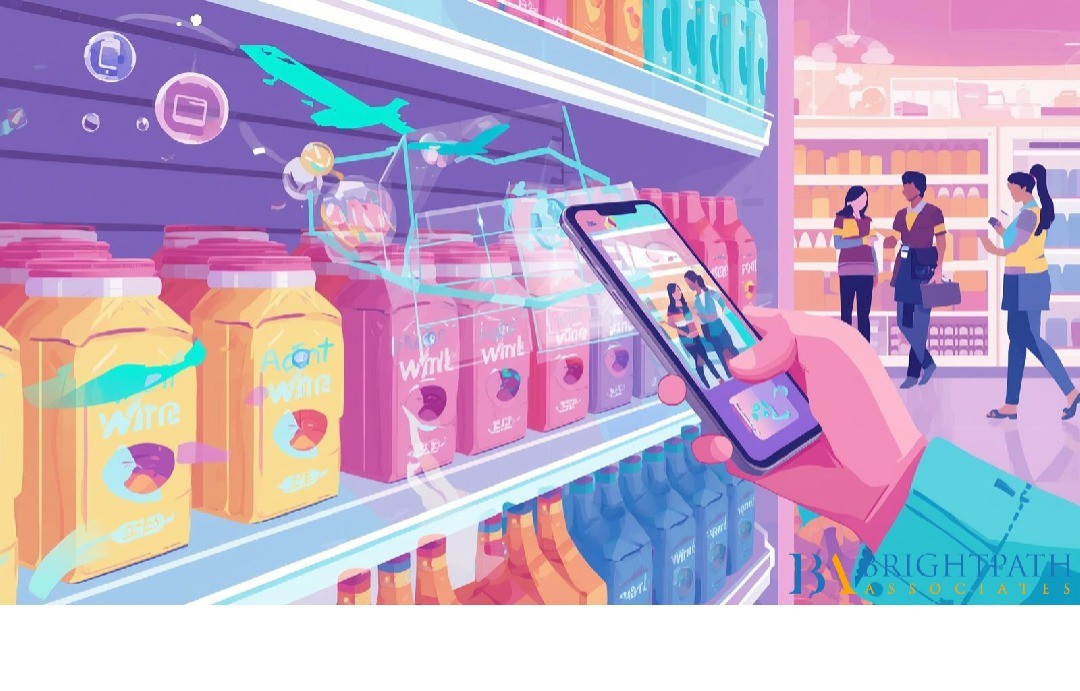
- Augmented reality integrates digital experiences with the physical world, overlaying interactive elements over tangible surfaces via smartphones or AR glasses. In the packaging domain, this groundbreaking technology unlocks new dimensions of consumer interaction, promising not only engagement but also a personalized and immersive shopping experience that resonates with users on multiple levels. The potential for AR to enrich the consumer journey is immense, allowing brands to present information in intuitive and visually appealing formats that can significantly alter consumer perceptions and interactions with products.
- As we traverse further into a world driven by digital experiences, interactive engagement has become quintessential in modern packaging solutions. Consumers today crave highly personalized experiences, seeking connections that go beyond mere transactions. AR transforms packaging into a dynamic platform for customer interaction, deepening brand loyalty and enhancing product understanding through engaging and educational content that caters to individual preferences and interests.
The Role of Augmented Reality in Packaging
- Integrating AR into packaging involves embedding QR codes, image recognition technologies, or similar mechanisms that consumers can easily scan using their smartphones or other devices. This interaction can trigger a plethora of digital content—from detailed product information and intensive usage tutorials to engaging games, quizzes, and virtual try-ons that captivate users’ attention and imagination. Such features not only help demystify products but also serve to enrich the consumer’s understanding, making the shopping experience much more engaging and informative.
- Brands that successfully leverage AR in their packaging contexts reap significant benefits, including heightened consumer engagement that leads to increased brand loyalty, as well as deeper consumer insights gleaned from interactive consumption data. By offering a unique and engaging experience, brands can stand out in an increasingly crowded market, fostering stronger emotional connections with their audience that can translate into lasting customer relationships. Such strategies represent a departure from traditional marketing, focusing instead on enriching the consumption journey through innovative technology.
- Global brands such as Coca-Cola and Kellogg’s have successfully harnessed AR in their packaging strategies to create memorable experiences for consumers. Coca-Cola’s creative campaigns have brought brand stories to life in interactive ways, capturing the imagination of consumers and encouraging participation through gamified elements. Meanwhile, Kellogg’s augmented packaging offers personalized, interactive experiences—such as games and family-oriented content—that resonate thoughtfully with diverse audiences, further establishing brand affinity and loyalty.
Trends in the Packaging Industry
- Advanced packaging materials, including cutting-edge smart and biodegradable options, are paving the way for more seamless integration of AR technologies. These innovative materials not only enhance the durability and sustainability of packaging but also improve the interactive capabilities of AR by providing a suitable surface for sensor integration. With a consistent push towards sustainability, companies can utilize these materials to tell compelling stories about their #EnvironmentalImpact, directly engaging consumers interested in eco-friendly practices.
- Sustainable packaging certifications are gaining prominence, urging brands to consider environmentally responsible solutions. Integrating AR into such sustainable packages not only enhances their appeal but also serves an educational purpose, enabling companies to convey their commitment to the environment while providing an interactive user experience that fosters consumer loyalty. As consumers become more discerning about the brands they support, the combination of sustainability and interactivity may well become a key differentiator in the marketplace.
- Predictive analytics in packaging employs consumer data to anticipate needs and preferences, refining packaging designs and the corresponding AR content for optimal consumer interaction. This proactive approach ensures that AR applications remain relevant, timely, and tailored to individual consumer journeys, enhancing the likelihood of engagement. By prioritizing such consumer insights, brands can create packaging experiences that feel personalized, increasing overall satisfaction and boosting the chances of repeat purchases.
Challenges and Opportunities
- The concept of circular economy packaging emphasizes the importance of reuse and recycling, where AR can play a pivotal role in fostering sustainable consumer behavior. By incorporating interactive guides or reward systems for recycling initiatives through AR applications, brands can encourage consumers to engage in eco-friendly practices, promoting a sustainable lifecycle for packaging materials that aligns with contemporary environmental values.
- With the advent of bioplastic packaging development, integrating AR into these solutions becomes a dual effort that advances both innovation and sustainability. Bioplastics, which are designed to be more eco-friendly, combined with interactive AR experiences, provide consumers with not just a greener choice but also a value-added product experience that elevates their perception of the brand. This synergy can enhance brand reputation, making it a vital strategy for companies aiming to appeal to environmentally conscious consumers.
- The ongoing labor shortages faced by the packaging industry pose significant challenges, yet digital solutions—including AR—present opportunities to address these critical issues. By automating certain processes through AR technology, such as providing interactive user guides and self-service portals, companies can operate more efficiently, minimizing their reliance on human labor while simultaneously enhancing consumer service offerings. In this way, AR not only addresses current labor shortages but also prepares businesses for a future where technological proficiency is paramount.
The Path Towards Digital Transformation
- #SupplyChain resilience is crucial for the effective implementation of AR packaging solutions. By bolstering resilience throughout the supply chain, companies can ensure a consistent flow of AR-enabled packages, thereby meeting consumer demand without delays or interruptions. This continuity is paramount in supporting the overall consumer experience, as it maintains the desired engagement levels that AR technologies seek to achieve, reinforcing the importance of reliable operations and logistics in the context of modern marketing.
- Optimizing packaging machinery is essential for effectively enhancing AR experiences. Modern packaging lines must be versatile and adaptable enough to integrate AR seamlessly, ensuring the precise application of scannable codes and maintaining the integrity of interactive features throughout the production and packing processes. These optimizations not only improve end-user satisfaction but also mitigate the risk of implementation challenges associated with AR technologies.
- Digital transformation emerges as a linchpin in the modernization of packaging. For companies committed to advancing their capabilities in AR packaging, embracing technology-driven processes is absolutely non-negotiable. This transformation not only enhances the consumer experience by creating richer interactions but also aligns with broader industry goals focused on efficiency, sustainability, and continuous innovation—making it imperative for entities to evolve in line with consumer expectations and market dynamics.
AR and Executive Search Recruitment
- From 2023 to 2025, the #ExecutiveHiring trends within the packaging industry underscore the necessity for leaders who can adeptly navigate the complexities presented by AR and digital transformation. The packaging sector faces a substantial shortage of such visionary leaders who possess the skill set necessary to drive innovation, creating a growing demand for specialized recruitment strategies that focus on finding qualified candidates with the right expertise.
- Businesses are increasingly recognizing the importance of hiring leaders who possess a profound understanding of the vast potential of AR within packaging contexts. These leaders are expected to not only drive organizational innovation but also to steer companies towards more integrated and consumer-focused solutions that leverage AR technology to enhance consumer engagement significantly. This leadership will ultimately shape the trajectory of the packaging industry, influencing how brands communicate and connect with their customers.
- #ExecutiveSearchRecruitment thus emerges as a strategic solution to addressing the leadership shortages facing the industry. Firms like BrightPath Associates are stepping in to offer targeted services focused on filling these vital roles. By leveraging industry expertise and nurturing a deep network, recruitment firms assist companies in securing forward-thinking leaders who are capable of effectively transforming AR strategies from concept to execution, ensuring that organizations remain competitive in an evolving market.
Conclusion
Augmented reality presents countless benefits for the packaging industry, fundamentally transforming products into interactive gateways for consumer engagement. As brands harness the powerful capabilities of AR, they pave the way for richer, more personalized consumer experiences that resonate deeply with audiences and foster brand loyalty.
The future of packaging design promises a fusion of interactivity and sustainability, creating products that not only engage but also educate consumers about the environmental impacts of their choices. By adopting regenerative packaging and cutting-edge AR technologies, companies can forge stronger connections with environmentally conscious consumers while leading the charge in innovative engagement strategies that redefine shopping experiences.
As the packaging industry continues to evolve, industry leaders are encouraged to recognize and consider the vast potential of AR. By doing so, they not only gain a competitive edge but also play a pivotal role in the ongoing narrative of digital transformation and consumer engagement that defines the marketplace of tomorrow. The embrace of AR technology represents not just progress, but a commitment to creating a more connected and sustainable future within the realm of packaging.
Find your next leadership role in Plastics Industry today!
Stay informed with the latest insights on Plastics Industry!