
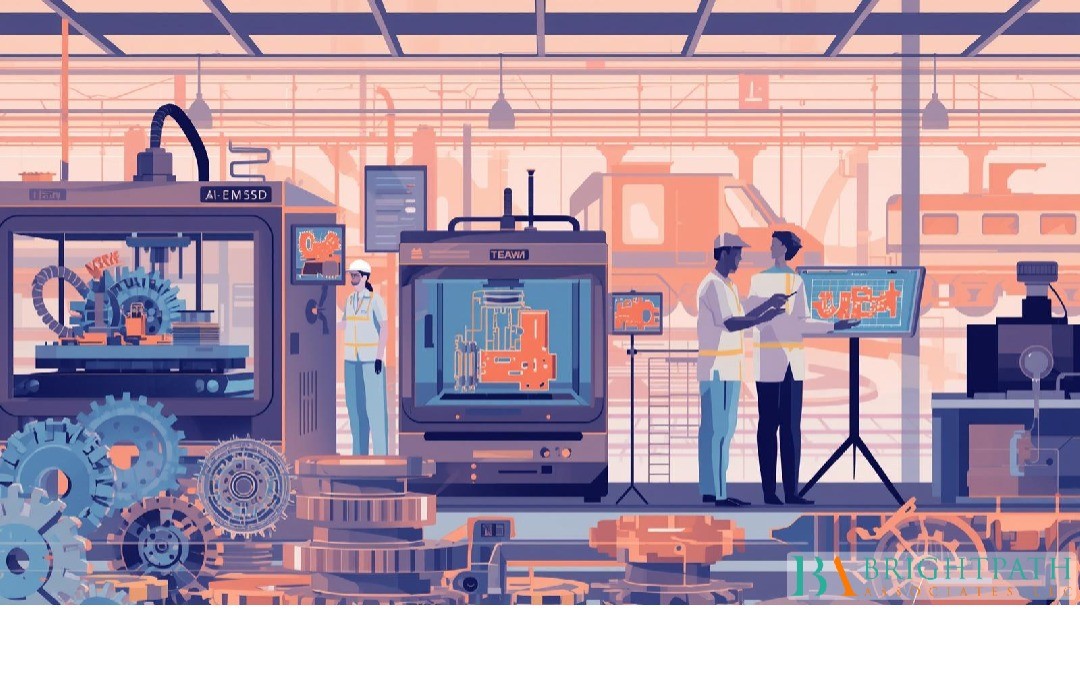
Introduction: Redefining the Future of Railroad Manufacturing
The #RailroadManufacturingIndustry is entering a transformative phase as advanced technologies reshape traditional production models. Among these innovations, additive manufacturing—commonly known as 3D printing—is emerging as a powerful force driving efficiency, customization, and cost optimization. For decision-makers in small to mid-sized railroad manufacturing companies, understanding the implications of this shift is critical to maintaining competitiveness in a rapidly evolving market.
The global rail industry continues to play a vital role in economic development, supporting freight logistics, urban mobility, and infrastructure expansion. However, increasing pressure to reduce costs, improve sustainability, and accelerate production timelines is forcing manufacturers to rethink conventional approaches. Additive manufacturing offers a compelling solution by enabling more agile, data-driven, and efficient production processes.
The Evolution of Additive Manufacturing in Rail Production
Additive manufacturing has moved beyond prototyping into full-scale production across multiple industries, including aerospace, automotive, and now rail. In the context of railroad manufacturing, this technology enables the creation of complex components layer by layer, eliminating the need for traditional tooling and reducing material waste.
Rail component production often involves highly specialized parts with strict performance and safety requirements. Conventional manufacturing methods can be time-consuming and resource-intensive, particularly for low-volume or customized components. Additive manufacturing addresses these challenges by allowing manufacturers to produce parts on demand, significantly reducing lead times and inventory costs.
Industry data suggests that additive manufacturing can reduce production time by up to 50% and material waste by nearly 30%, making it an attractive option for companies seeking operational efficiency. This shift is particularly relevant for legacy rail systems, where replacement parts are often difficult to source using traditional methods.
Operational Efficiency and Cost Optimization
One of the most significant advantages of additive manufacturing is its impact on cost structures. Traditional rail component production involves multiple stages, including design, tooling, machining, and assembly. Each stage adds time and expense, particularly for complex or low-volume parts.
By contrast, additive manufacturing streamlines the production process by consolidating multiple steps into a single operation. This reduces labor costs, minimizes errors, and accelerates time-to-market. For small to mid-sized companies operating with limited resources, these efficiencies can translate into substantial competitive advantages.
In addition, additive manufacturing supports decentralized production models. Instead of relying on centralized factories and extensive #SupplyChains, companies can produce components closer to the point of use. This approach reduces transportation costs, shortens delivery timelines, and enhances supply chain resilience.
Customization and Design Innovation
The ability to produce highly customized components is another key benefit of additive manufacturing. Rail systems often require specialized parts tailored to specific operational conditions, such as varying track geometries, environmental factors, and load requirements.
Additive manufacturing enables engineers to design components with greater flexibility, incorporating complex geometries that would be difficult or impossible to achieve using traditional methods. This capability not only improves performance but also opens new possibilities for innovation in rail technology advancements.
For example, lightweight components designed through additive manufacturing can improve fuel efficiency and reduce wear and tear on rail systems. Similarly, optimized designs can enhance durability and extend the lifespan of critical components, reducing maintenance costs over time.
Supply Chain Transformation and Resilience
The adoption of additive manufacturing is fundamentally reshaping supply chains within the railroad manufacturing industry. Traditional supply chains are often characterized by long lead times, high inventory levels, and dependency on multiple suppliers.
Additive manufacturing introduces a more agile and responsive model, where components can be produced on demand based on real-time requirements. This reduces the need for large inventories and minimizes the risk of supply chain disruptions.
In an industry where downtime can result in significant financial losses, the ability to quickly produce replacement parts is a major advantage. Companies leveraging additive manufacturing are better equipped to maintain operational continuity and respond to unexpected challenges.
Furthermore, #DigitalInventories—where component designs are stored and shared electronically—are replacing physical inventories. This shift not only reduces storage costs but also enables faster collaboration across global operations.
Sustainability and Environmental Impact
Sustainability is becoming a central focus for the rail industry, driven by regulatory requirements and stakeholder expectations. Additive manufacturing contributes to sustainability goals by reducing material waste, lowering energy consumption, and enabling more efficient use of resources.
Traditional manufacturing processes often involve subtractive methods, where excess material is removed from a larger block. In contrast, additive manufacturing uses only the material required to build the component, significantly reducing waste.
Additionally, the ability to produce components locally reduces the carbon footprint associated with transportation and logistics. For companies seeking to align with environmental standards and improve their sustainability profiles, additive manufacturing offers a practical and impactful solution.
Challenges and Barriers to Adoption
Despite its advantages, the adoption of additive manufacturing in #RailroadManufacturing is not without challenges. High initial investment costs, limited availability of specialized materials, and the need for skilled personnel can act as barriers for smaller organizations.
Quality assurance and regulatory compliance are also critical considerations. Rail components must meet stringent safety standards, and ensuring consistency in additive manufacturing processes requires robust testing and validation protocols.
Moreover, integrating additive manufacturing into existing production systems requires a strategic approach. Companies must evaluate how this technology fits within their broader operational and business objectives, ensuring that it delivers measurable value.
The Role of Workforce Transformation and Leadership
The shift toward additive manufacturing is driving significant changes in workforce requirements. Traditional manufacturing roles are evolving to include expertise in digital design, data analytics, and advanced engineering technologies.
Organizations must invest in training and upskilling initiatives to ensure that their workforce can effectively leverage these new capabilities. At the same time, leadership plays a critical role in guiding this transformation, aligning technological adoption with business strategy.
In this context, #ExecutiveSearchRecruitment becomes a focused approach to addressing leadership gaps, particularly for roles that require a combination of technical expertise and strategic vision. As additive manufacturing reshapes production models, companies need leaders who can navigate complexity, drive innovation, and integrate new technologies into existing operations. Accessing such specialized talent enables organizations to accelerate transformation while maintaining operational stability.
Strategic Implications for Small to Mid-Sized Companies
For small to mid-sized railroad equipment manufacturers, additive manufacturing presents both opportunities and challenges. On one hand, it levels the playing field by enabling smaller players to compete with larger organizations through innovation and agility. On the other hand, it requires careful investment and strategic planning to ensure successful implementation.
Companies that adopt additive manufacturing early can gain a first-mover advantage, positioning themselves as leaders in advanced manufacturing within the #RailIndustry. By leveraging this technology, they can enhance product offerings, improve operational efficiency, and expand into new markets.
Collaboration is also a key factor in success. Partnering with technology providers, research institutions, and industry stakeholders can help organizations overcome barriers and accelerate adoption.
Conclusion
The integration of additive manufacturing into rail component production marks a significant step forward in the evolution of the railroad manufacturing industry. By enabling faster production, greater customization, and improved sustainability, this technology is reshaping how companies design, produce, and deliver critical components.
For decision-makers, the path forward involves balancing innovation with practicality. While the benefits of additive manufacturing are clear, successful implementation requires strategic investment, workforce development, and strong leadership.
As the rail industry continues to evolve, companies that embrace advanced manufacturing technologies will be better positioned to navigate challenges, capitalize on opportunities, and drive long-term growth. Innovation by layer is not just a technological advancement—it is a strategic imperative that will define the future of railroad manufacturing.
Find your next leadership role in Railroad Industry today!
Stay informed with the latest insights on Railroad Industry!