
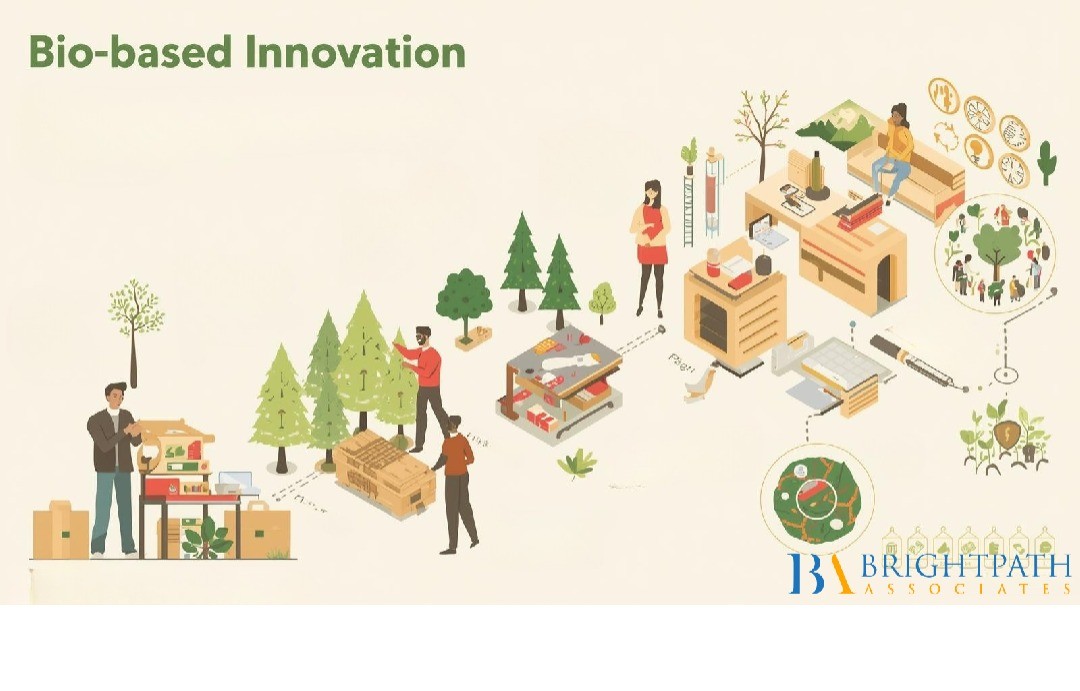
Introduction to Bio-Based Materials
In the current global climate, a paradigm shift towards sustainable alternatives is becoming ever more crucial. The paper and #PulpIndustry, often scrutinized for its environmental impact, is now witnessing a burgeoning interest in bio-based materials. These materials, derived from wood pulp, are leading a quiet revolution, promising to transform traditional practices into sustainable ones. At the heart of these efforts lies a commitment to minimizing environmental footprints while enhancing the quality and efficacy of paper products. As consumers become increasingly aware of environmental issues, the demand for products that are eco-friendly and biodegradable is set to rise dramatically, further catalyzing the transition to bio-based materials. This trend indicates not just a temporary shift, but a fundamental change in the way products are designed, produced, and consumed in alignment with principles of a circular economy.
The Forest Product Innovation Landscape
Recently, there have been significant strides in the innovation of forest products, driven by the need to balance ecological sustainability with industrial efficiency. Companies like Stora Enso are at the forefront of this movement with innovations such as Papira®, a bio-based foam entirely sourced from wood. This not only showcases the versatility of wood as a raw material but also emphasizes the potential for innovation in creating new product categories that were once thought to require synthetic materials. Simultaneously, initiatives like the NNE-PROMISE project are championing the transition to sustainable materials and practices. These efforts are supported by advanced research and development strategies, enabling companies to explore new methodologies that enhance both productivity and environmental stewardship. Such developments are a testament to the increasing overview of precision forest management and reflect the critical influence of sustainable practices in material sourcing. Here, forestry regulations play a pivotal role, not only in guiding ethical timber harvesting but also in ensuring long-term viability of forest ecosystems, which is essential for the continual supply of raw materials.
The Role of Bio-Based Additives in Papermaking
To augment the conventional papermaking process, bio-based additives such as Enzymatically-Calculated Additives (ECA) and Microfibrillated Cellulose (MFC) are being explored. These additives not only boost the quality of the final paper products but also enhance the economic viability of the production process. ECA, for example, optimizes the fiber network, thus improving the paper’s strength and reducing energy consumption during production. Such advancements significantly impact machine efficiency while supporting #EnvironmentalSustainability by lessening the reliance on synthetic additives and non-renewable resources. Moreover, the integration of bio-based additives into the production process paves the way for a circular economy model by making it possible to recycle paper more efficiently, as these additives can help retain properties that traditionally diminish during recycling. This cycle not only minimizes waste but also expands the life cycle of developed products, ultimately contributing to enhanced resource usage and energy savings in industrial production.
The Economics of Paper Industry Trends
The paper industry’s economic landscape is undergoing rapid evolution, influenced by a confluence of factors including advancements in timber harvesting techniques, evolving lumber industry trends, and stringent forestry regulations. These elements collectively shape the market dynamics, affecting the supply chain of bio-based materials. As the demand for sustainable solutions intensifies, industries are increasingly integrating innovations that drive both profitability and ecological responsibility, thereby redefining traditional paper industry economics in the process. Companies are now recognizing the value of investing in sustainable practices not only as a regulatory requirement but also as a competitive advantage, allowing them to differentiate themselves in a crowded market. This shift is likely to lead to increased collaborations between traditional paper manufacturers and new startups focused on sustainable innovations, fostering a more integrated approach to the challenges facing the sector.
Sustainable Materials Sourcing and Manufacturing Trends
In the quest for sustainable development, the sourcing of materials for wood product manufacturing has seen significant transformation. Companies are investing in sustainable practices, illustrated by successful case studies where renewable sourcing strategies are integrated into manufacturing processes. Not only do these case studies provide valuable insights into potential frameworks for sustainable operations, they also demonstrate that profitability and sustainability can go hand in hand. Such trends are pivotal in reshaping how industries view and utilize natural resources, presenting a roadmap for transitioning towards more #SustainablePractices without compromising economic viability or product integrity. This evolution is not merely a response to external pressures but a proactive adaptation to meet the expectations of consumers and investors who increasingly favor companies that prioritize long-term ecological balance.
Addressing Leadership Gaps through Executive Search Recruitment
As the paper and pulp industry navigates these transformative dynamics, addressing leadership gaps becomes imperative. Emerging dynamics in executive hiring reveal an increasing emphasis on leaders adept at steering companies through these transitions. There exists a noticeable shortage of leadership talent coupled with evolving role expectations for C-suite executives, necessitating a strategic shift in recruitment practices. #ExecutiveSearchRecruitment emerges as a vital solution, offering the expertise needed to identify and attract leaders capable of driving innovation and sustainability in the face of these industry challenges. Additionally, organizations are also focused on fostering a corporate culture that encourages divergent thinking, empowering employees at all levels to contribute to sustainability goals. This cultural shift, combined with strategic recruitment, can help build a robust pipeline of talent that is not only skilled but also deeply committed to advancing sustainable practices.
Future Prospects and Challenges
Looking to the future, the industry is poised for further advancements by 2035, with organizations like NNE-PROMISE pioneering these innovations. However, this path is not without its challenges. The full adoption of bio-based materials and sustainable practices faces hurdles, including technological limitations and regulatory barriers that may slow down the pace of change. Industry consensus is critical in addressing these challenges; collaboration between companies, governments, and research institutions can help streamline processes and create a more uniform regulatory environment that supports innovation. As the industry progresses, overcoming these obstacles will be crucial to achieving widespread adoption and integration of sustainable practices within the sector. Additionally, there should be a focus on consumer education about bio-based materials, as increasing awareness can further drive demand and facilitate a smoother transition.
Conclusion: The Path Forward
In conclusion, innovative solutions are indispensable to steering the paper and pulp industry towards sustainability. Bio-based materials present a significant opportunity to redefine industry standards and supply chain practices, offering a path towards a more sustainable future. It is a call to action for industry stakeholders to collaborate on these innovation pathways, ensuring that the promise of bio-based materials is fully realized, thereby reshaping the industry to meet the environmental demands of tomorrow. The advances in forest product innovation, the role of bio-based additives, and the importance of addressing leadership gaps through strategic recruitment underscore the complex yet promising future of the #PaperIndustry. Through concerted efforts and collaborative innovation at all levels of the supply chain, this journey from within stands to yield not only significant economic benefits but also foster a sustainable legacy for future generations. The collaboration of technology, leadership, and community engagement will be pivotal in navigating the challenges ahead, ensuring that the paper industry not only survives but thrives sustainably in the coming years.
Find your next leadership role in Paper & Forest Products Industry today!
Stay informed with the latest insights on Paper & Forest Products Industry!