
Introduction
The oil and #GasIndustry remains a cornerstone of the global energy landscape, driving economic growth, powering transportation, and supporting industrial development. Its significance extends beyond energy production to include employment, infrastructure development, and geopolitical influence. However, the industry faces mounting challenges, including fluctuating energy prices, environmental concerns, and evolving regulatory frameworks. Technological innovation has emerged as a critical factor in addressing these challenges, offering tools and processes that enhance efficiency, reduce costs, and increase operational safety.
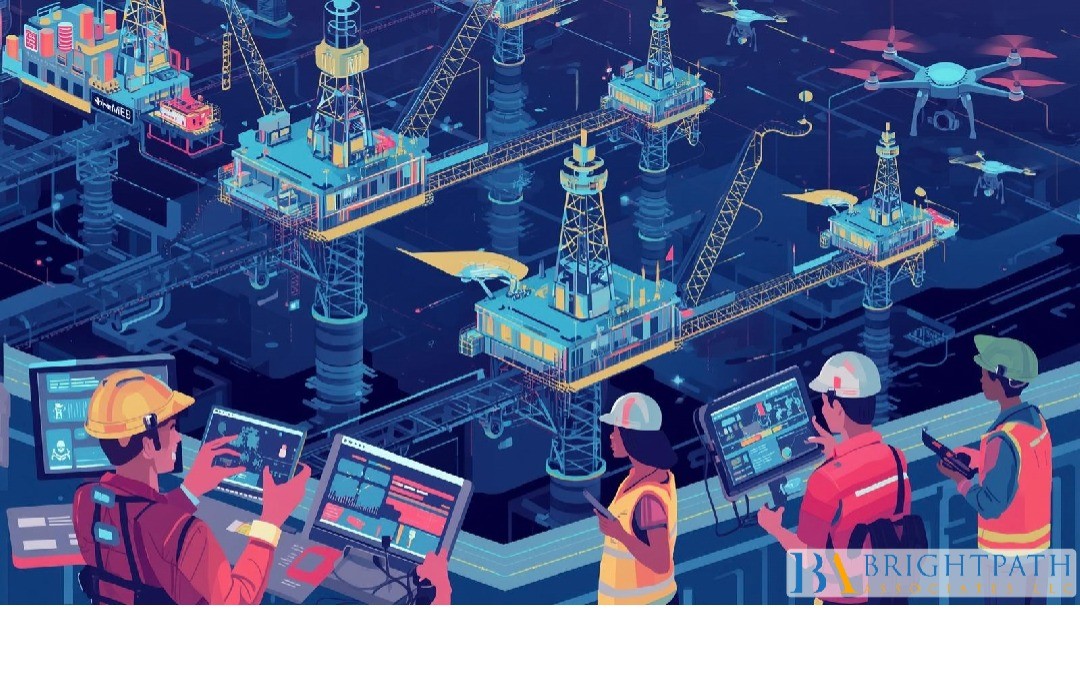
Technological advancements are transforming traditional oil and gas operations, enabling companies to optimize exploration, production, drilling, and refining processes. From automation and robotics to artificial intelligence and advanced analytics, innovation is reshaping every facet of the industry. For companies to remain competitive, it is essential to embrace these technologies while aligning leadership talent and workforce capabilities with evolving operational demands.
Historical Context
The oil and gas industry has a long history of technological evolution. Early operations relied heavily on manual labor, rudimentary drilling equipment, and simple extraction techniques. While these methods laid the foundation for energy production, they were limited in scope, efficiency, and safety.
Over time, technological progress introduced more sophisticated drilling rigs, pipeline monitoring systems, and seismic surveying techniques. These developments increased production capacity, improved resource management, and enhanced operational safety. Today, the industry is undergoing another major transformation, driven by digitalization, data analytics, and automation. Companies are transitioning from conventional approaches to technology-driven methods that optimize exploration, production, and downstream operations while reducing environmental impact.
Key Technological Innovations
Exploration and Production
Advanced seismic imaging technologies, including 3D and 4D seismic analysis, have revolutionized exploration by providing detailed subsurface maps of oil and gas reserves. These tools allow companies to identify viable drilling locations with unprecedented accuracy, reducing the risk of costly dry wells.
Robotics and automation are increasingly used in exploration and production operations, performing repetitive or hazardous tasks with precision and reliability. Automated drilling platforms, remotely operated vehicles, and robotic inspection systems enhance operational efficiency while minimizing human exposure to dangerous conditions.
Data analytics and #ArtificialIntelligence play a critical role in decision-making. By analyzing large volumes of geological, operational, and market data, companies can optimize production strategies, forecast demand, and proactively manage maintenance schedules. Predictive analytics reduces downtime, lowers operational costs, and increases overall productivity.
Drilling Technologies
Technological innovations in drilling have transformed how oil and gas are extracted. High-precision drilling equipment, directional drilling techniques, and advanced rig monitoring systems enable operators to access complex reserves efficiently. These technologies reduce the environmental footprint of drilling operations while improving yield and safety.
Enhanced oil recovery techniques, including hydraulic fracturing and chemical injection methods, have extended the life of mature fields. By maximizing extraction from existing reserves, companies can meet growing energy demands without the environmental and financial costs of developing new sites. Such technologies require skilled personnel capable of operating complex machinery and interpreting technical data, underscoring the need for specialized talent in the sector.
Challenges in Technology Adoption
Despite the benefits, adopting new technologies in the oil and gas industry is not without challenges. High initial investment costs for equipment, software, and training can be a barrier for smaller companies. The complexity of implementing and integrating new systems across existing operations also presents logistical and operational hurdles.
Resistance to change within traditional industry structures can slow technology adoption. Established workflows, organizational hierarchies, and legacy systems often conflict with modern digital approaches, requiring cultural shifts and effective change management strategies.
As operations become increasingly digitalized, cybersecurity risks have emerged as a critical concern. Protecting sensitive operational data, intellectual property, and critical infrastructure from cyber threats is essential for maintaining operational integrity and #RegulatoryCompliance.
Impact on Industry Employment and Roles
Technological innovation has significantly influenced employment in the oil and gas industry. Routine and manual tasks are increasingly automated, shifting workforce requirements toward highly skilled roles involving technical expertise, digital literacy, and analytical capabilities.
Petroleum engineering services, data analytics, and machinery maintenance roles have evolved to meet the demands of a technologically advanced environment. Companies now seek professionals capable of managing sophisticated machinery, interpreting complex datasets, and implementing automation solutions. These changes necessitate continuous workforce training, upskilling programs, and strategic talent acquisition initiatives.
The growing emphasis on technology has also altered leadership expectations. Executives must not only manage operational performance but also guide digital transformation efforts, champion sustainability initiatives, and navigate regulatory landscapes. This evolution underscores the importance of executive search recruitment in identifying leaders with the right blend of technical knowledge, strategic vision, and change management capabilities.
Strategic Evolution of Recruitment Practices
Leadership talent shortages and shifting role expectations have prompted a #StrategicEvolution in executive hiring. Companies must secure leaders who can bridge the gap between traditional operations and technology-driven innovation. #ExecutiveSearchRecruitment provides access to a targeted pool of candidates with the expertise necessary to implement transformative initiatives.
By leveraging recruitment strategies focused on technological competence and strategic foresight, companies can attract executives capable of driving operational excellence, sustainability, and innovation. These leaders play a pivotal role in integrating new technologies, optimizing workforce capabilities, and enhancing overall organizational performance.
Future Trends and Prospects
Sustainable Energy Solutions
The oil and gas industry is increasingly aligning with sustainable energy initiatives. Integration of renewable energy sources, energy-efficient processes, and emission reduction technologies is reshaping refinery operations and field services. Leaders who can balance traditional oil and gas operations with sustainable practices are vital in ensuring long-term industry viability and environmental responsibility.
Sustainable energy solutions also influence investment priorities, operational strategies, and corporate reputation. Companies that adopt green technologies and maintain transparency in environmental performance can strengthen stakeholder confidence and meet growing consumer and regulatory expectations.
Emerging Technologies
Looking ahead, emerging technologies such as machine learning, nanotechnology, and augmented reality hold significant potential for enhancing operational efficiency, safety, and predictive maintenance. Advanced simulation tools can model complex reservoir behavior, while augmented reality assists in remote training, maintenance, and inspection processes.
Continuous innovation is essential to meet future global energy demands. Companies that embrace digital transformation, invest in research and development, and prioritize #WorkforceAdaptability will be better positioned to respond to market fluctuations, technological disruption, and sustainability imperatives.
Conclusion
Technological innovation has profoundly reshaped the oil and gas industry, enhancing exploration accuracy, improving production efficiency, and enabling smarter decision-making. Automation, robotics, artificial intelligence, and advanced drilling technologies have not only optimized operations but also elevated safety and sustainability standards.
For companies to remain competitive, strategic investment in technology must be coupled with the recruitment of skilled leaders who can drive transformation. Executive search recruitment ensures that businesses attract executives capable of bridging traditional and modern operational approaches, fostering innovation, and leading workforce development initiatives.
The future of the oil and gas industry lies in balancing technological advancement, operational efficiency, and sustainability. Companies that embrace innovation, cultivate leadership talent, and invest in cutting-edge solutions are well-positioned for long-term growth, resilience, and continued relevance in a rapidly evolving energy landscape.
Find your next leadership role in Oil and Gas Industry today!
Stay informed with the latest insights on Oil and Gas Industry!