
Introduction
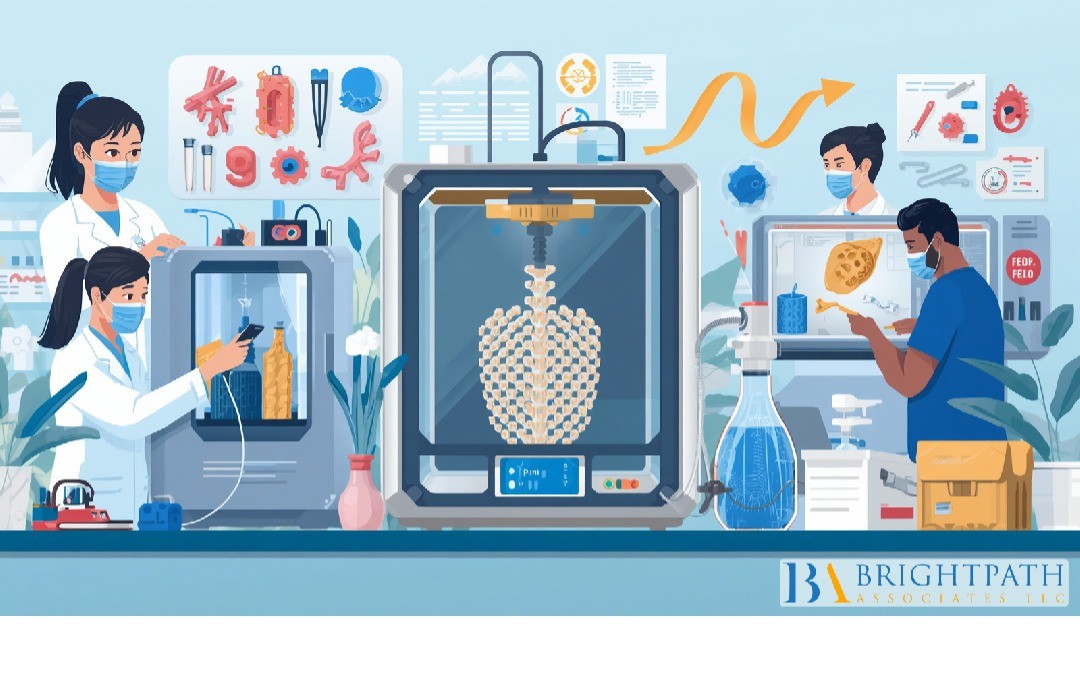
The advent of 3D printing, also known as additive manufacturing, has revolutionized numerous industries, and its impact on medical device manufacturing has been particularly profound. This technology has not only accelerated the pace of #MedicalDeviceInnovation but also transformed the way these devices are designed, produced, and distributed. As the medical field continues to evolve, 3D printing stands at the forefront of numerous advancements, making it an indispensable tool in modern healthcare.
Revolutionizing Medical Device Innovation
3D printing has paved the way for unprecedented levels of medical device innovation by enabling the creation of complex, customized devices tailored to individual patient needs. Traditional manufacturing processes often fell short when it came to producing bespoke solutions, but 3D printing allows for rapid prototyping and iterative design changes, fostering an environment where innovation thrives. This flexibility is crucial in developing devices that address specific medical challenges, ultimately improving patient outcomes and enhancing the quality of care.
The introduction of 3D printing into medical device manufacturing presents unique challenges in terms of #MedicalDeviceRegulatory compliance. Regulatory bodies must adapt to assess the safety and efficacy of devices produced by this new method. The bespoke nature of 3D printed devices complicates the standardization process, necessitating a balance between innovation and stringent regulatory frameworks. Manufacturers must stay abreast of evolving guidelines to ensure compliance and facilitate the safe introduction of new devices into the market.
The integration of medical device AI with 3D printing technology has opened new avenues for enhancing device functionality and performance. AI algorithms can optimize design processes, predict patient-specific needs, and improve the precision of 3D printed components. This synergy not only accelerates the development of more effective medical devices but also aids in predicting potential complications, thus supporting healthcare providers in delivering proactive care.
Enhancing Medical Device Risk Management
With the growing reliance on 3D printing, effective medical device risk management becomes increasingly crucial. The ability to rapidly produce customized devices introduces potential risks related to material integrity, mechanical stability, and biocompatibility. Manufacturers must implement rigorous testing protocols and quality control measures to mitigate these risks and ensure that devices meet the highest safety standards. Robust risk management strategies are essential to maintain trust among healthcare providers and patients alike.
The commercialization of 3D printed medical devices presents both opportunities and challenges. On one hand, the reduced lead times and costs associated with additive manufacturing facilitate #MedicalDeviceCommercialization, enabling smaller companies to enter the market and compete with established players. On the other hand, navigating the complexities of regulatory approval and establishing reliable distribution channels can be daunting. Successful commercialization strategies must address these challenges while leveraging the unique advantages of 3D printing technology.
3D printing has the potential to significantly impact medical device international expansion by enabling localized production and reducing reliance on global supply chains. This capability allows manufacturers to quickly adapt to local market needs and regulatory requirements, streamlining the international expansion process. Furthermore, localized production can reduce lead times and transportation costs, making it easier for companies to establish a presence in diverse markets worldwide.
Addressing Medical Device Cybersecurity Concerns
As medical devices become more connected, medical device cybersecurity emerges as a critical concern. The integration of 3D printing with digital technologies increases the risk of cyber threats, necessitating robust security measures to protect sensitive patient data and device functionality. Manufacturers must prioritize cybersecurity in the design and production stages, ensuring that devices are not only innovative but also secure against potential cyberattacks.
The convergence of #MedicalDeviceRobotics and 3D printing offers exciting possibilities for the future of healthcare. Robotic systems can be designed and manufactured using additive manufacturing techniques, resulting in highly precise and customizable medical robots. These advanced devices can assist in surgical procedures, rehabilitation, and diagnostic processes, enhancing the capabilities of healthcare professionals and improving patient outcomes.
The ability to rapidly prototype and iterate designs using 3D printing allows for the collection and analysis of extensive medical device clinical data. This data is invaluable in refining device designs, optimizing performance, and understanding patient responses. By leveraging clinical data, manufacturers can develop more effective devices tailored to specific medical conditions, thereby advancing personalized medicine and improving the overall quality of care.
Building Medical Device Strategic Partnerships
The complexity and rapid evolution of 3D printing in medical device manufacturing necessitate #MedicalDeviceStrategicPartnerships. Collaborative efforts between manufacturers, healthcare providers, academic institutions, and regulatory bodies can drive innovation and address challenges more effectively. These partnerships are instrumental in sharing knowledge, resources, and expertise, ultimately accelerating the development and commercialization of cutting-edge medical devices.
The Role of Executive Search Recruitment in Advancing 3D Printing
As the 3D printing industry continues to expand, the demand for skilled professionals in this field is on the rise. #ExecutiveSearchRecruitment plays a crucial role in identifying and attracting top talent with the expertise needed to drive innovation and overcome the challenges associated with 3D printing in medical device manufacturing. By ensuring that organizations have access to the right personnel, executive search recruitment supports the growth and success of companies operating in this dynamic and rapidly evolving sector.
In conclusion, the impact of 3D printing on medical device manufacturing is transformative, offering numerous benefits while also presenting distinct challenges. As this technology continues to evolve, its integration with AI, robotics, and other advanced technologies will further enhance its potential to revolutionize healthcare. By navigating regulatory landscapes, managing risks, and fostering strategic partnerships, the medical device industry can harness the full potential of 3D printing to improve patient outcomes and drive #MedicalDeviceInnovation into the future.
Find your next leadership role in Medical Devices Industry today!
Stay informed with the latest insights on Medical Devices Industry!