
Introduction
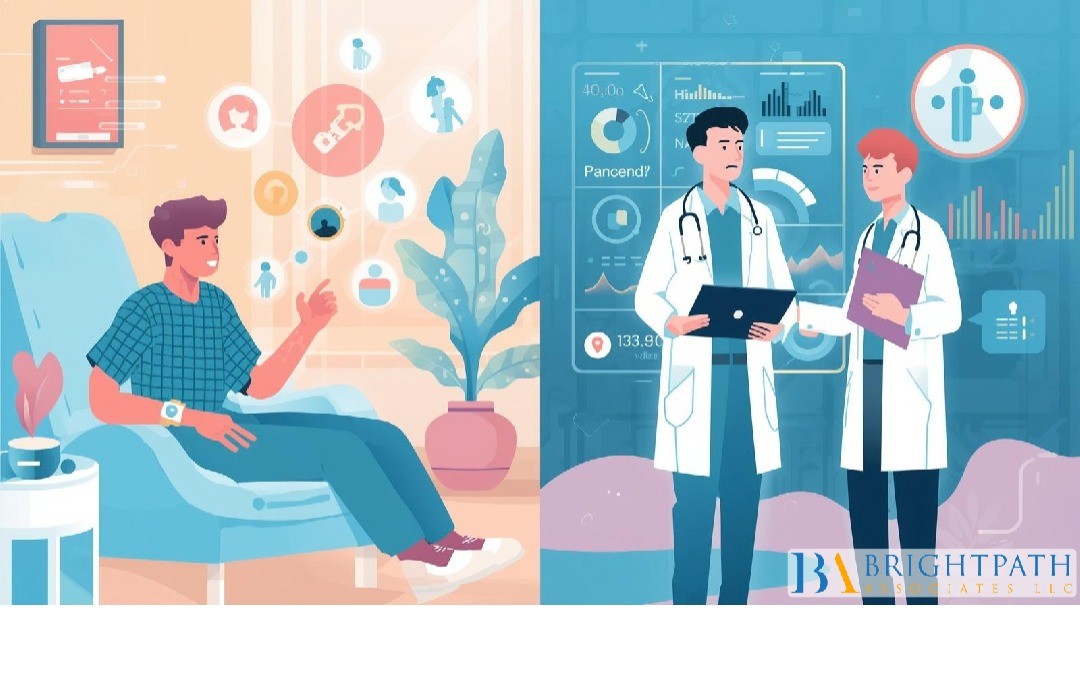
As the world of healthcare continues to evolve, the future of #MedicalDevice remote care stands at the forefront of innovation. With the rapid advancement in technology and an increasing demand for personalized healthcare solutions, this field is experiencing unprecedented growth. This article aims to provide a comprehensive overview of key trends and insights shaping the future of medical device remote care, focusing on aspects such as innovation, regulatory challenges, AI integration, risk management, and more.
Medical Device Innovation
Innovation in medical devices is a driving force behind the transformation of remote care. The development of smart devices equipped with advanced sensors and connectivity features is revolutionizing patient monitoring and management. These devices enable real-time data collection and analysis, providing healthcare professionals with critical information to make informed decisions. As technology advances, we can expect to see more sophisticated devices capable of performing complex diagnostic and therapeutic functions remotely.
Medical Device Regulatory
The rapid growth of medical device innovation brings with it significant regulatory challenges. Regulators around the world are tasked with ensuring the safety and efficacy of these devices while fostering an environment conducive to innovation. Navigating the complex landscape of medical device regulations is crucial for manufacturers aiming to bring their products to market. Understanding and complying with these regulations is essential to ensure that new devices meet the necessary standards for patient safety and effectiveness.
Medical Device AI
#ArtificialIntelligence (AI) is playing an increasingly crucial role in the development of medical device remote care. AI-powered algorithms can analyze vast amounts of clinical data to identify patterns and predict patient outcomes. This capability enhances the precision of diagnostics and treatment plans, leading to improved patient care. As AI technology continues to evolve, its integration into medical devices will enable more personalized and efficient healthcare solutions, ultimately transforming the landscape of remote care.
Medical Device Risk Management
With the growing complexity of medical devices, effective risk management is more important than ever. Manufacturers must identify, assess, and mitigate potential risks associated with their devices to ensure patient safety. This involves implementing robust quality management systems and adhering to industry standards and regulations. Proactive risk management strategies not only protect patients but also enhance the reputation and reliability of medical device companies, fostering trust among healthcare providers and patients alike.
Medical Device Commercialization
Bringing a medical device to market involves a multifaceted approach that encompasses research and development, regulatory approval, and strategic marketing. Successful commercialization requires a deep understanding of the target market and the ability to navigate the regulatory landscape efficiently. Companies must develop #StrategicPartnerships and leverage their expertise in executive search recruitment to assemble teams that can drive innovation and market success. A well-executed commercialization strategy ensures that innovative devices reach the patients who need them most.
Medical Device International Expansion
The global demand for advanced medical devices is driving companies to explore international markets. Expanding into new regions requires a comprehensive understanding of local regulatory requirements, healthcare systems, and market dynamics. Companies must adapt their products and strategies to align with the unique needs and preferences of each market. This expansion not only increases market share but also contributes to the global advancement of healthcare, providing access to cutting-edge medical devices for patients worldwide.
Medical Device Cybersecurity
As medical devices become increasingly connected, cybersecurity emerges as a critical concern. Protecting sensitive patient data and ensuring the integrity of device functionality is paramount. Manufacturers must implement robust cybersecurity measures to safeguard against potential threats and vulnerabilities. This includes regular #SoftwareUpdates, encryption protocols, and rigorous testing to ensure that devices are secure from cyberattacks. Emphasizing cybersecurity in the design and development of medical devices is essential to maintain patient trust and ensure the safety of remote care solutions.
Medical Device Robotics
Robotics technology is revolutionizing the field of medical device remote care. Robotic-assisted surgeries, telepresence robots, and automated diagnostic devices are just a few examples of how robotics is enhancing patient care. These devices offer precision, efficiency, and accessibility, allowing healthcare providers to deliver high-quality care remotely. As robotics technology continues to advance, we can expect to see even more innovative applications in remote care, improving patient outcomes and expanding access to healthcare services.
Medical Device Clinical Data
The collection and analysis of #ClinicalData are fundamental to the development and implementation of medical device remote care solutions. Access to comprehensive and accurate clinical data enables healthcare providers to make informed decisions about patient care. Medical devices equipped with data collection capabilities provide valuable insights into patient health, facilitating early diagnosis and intervention. As data analytics technology advances, the potential for leveraging clinical data to enhance remote care will continue to grow, offering new opportunities for improving patient outcomes.
Medical Device Strategic Partnerships
Collaboration and strategic partnerships are key to driving innovation and success in the medical device industry. Companies can leverage partnerships to access new technologies, share resources, and expand their market reach. These collaborations often involve cross-industry partnerships, bringing together expertise from various fields to develop groundbreaking solutions for remote care. By fostering a culture of collaboration, companies can accelerate the development and commercialization of innovative medical devices, ultimately benefiting patients and healthcare systems worldwide.
Executive Search Recruitment
The dynamic and rapidly evolving nature of the medical device industry necessitates a strong focus on #ExecutiveSearchRecruitment. Identifying and securing top talent is crucial for companies aiming to lead in innovation and market success. Experienced executives bring valuable insights and expertise, guiding companies through the challenges of regulatory compliance, commercialization, and market expansion. Investing in executive search recruitment ensures that companies have the leadership necessary to navigate the complexities of the medical device landscape and drive the future of remote care.
In conclusion, the future of medical device remote care is bright, with numerous trends and innovations shaping its trajectory. From AI integration and robotics to strategic partnerships and international expansion, the industry is poised for significant growth and transformation. By addressing regulatory challenges, emphasizing cybersecurity, and leveraging clinical data, companies can continue to develop cutting-edge solutions that enhance patient care and improve healthcare outcomes. As the industry evolves, collaboration and innovation will remain at the heart of this exciting and rapidly advancing field.
Find your next leadership role in Medical Devices Industry today!
Stay informed with the latest insights on Medical Devices Industry!