
Introduction
Agriculture stands at the crossroads of tradition and transformation, with an industry primed for innovation amid a rapidly changing global landscape. Today’s #AgriculturalIndustry faces unprecedented challenges—from climate change to global food security issues—which necessitate a robust response through innovation. As technology intersects more perceptibly with agriculture, the sector is undergoing a seismic shift. The outcome of this shift will reshape our capacity to sustainably feed an expanding population, estimated to reach nearly 10 billion by 2050. Thus, the urgent need for innovative agricultural practices is not merely a trend; it is an imperative requirement to ensure food security and to protect the ecosystem.
The Current Landscape of Agricultural Technology
Current market analysis reveals significant developments in the food production sector. Sustainable farming practices are becoming the backbone of modern agriculture, addressing environmental concerns while meeting consumer demand for ethically produced foods. These practices include methods such as crop rotation, conservation tillage, and agroforestry, which work harmoniously with nature. Within this framework, precision agriculture emerges as a critical player. By utilizing advanced technologies—such as satellite imagery, IoT devices, and machine learning algorithms—to increase crop yield and resource efficiency, precision agriculture underscores the importance of data-driven decision-making on the farm. As farmers collect and analyze diverse datasets, they can make informed choices that lead to greater productivity and sustainability, effectively transforming the agricultural landscape as we know it.
Emerging Trends in Agricultural Innovation
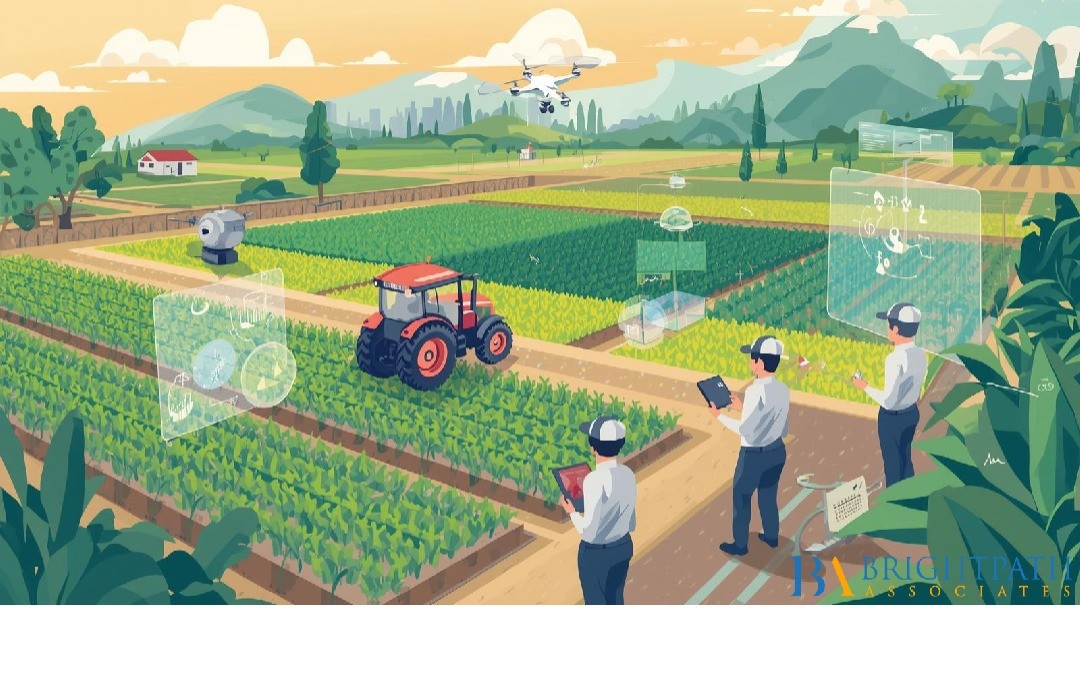
In recent years, the emergence of digital agriculture technology has profoundly impacted farming practices. These innovations, encompassing farm management software and cutting-edge drone technology, are redefining productivity and efficiency in agriculture. The ability to use aerial imagery from drones allows farmers to monitor crop health and optimize care in real-time, revolutionizing traditional farming methodologies. Meanwhile, organic farming is on the rise, spurred by consumer preferences for health-conscious and #EnvironmentallySustainableProducts. This shift towards organic methods not only responds to market demands but also aligns with broader sustainability goals essential for future agricultural resilience. As consumers become increasingly aware of their food sources, the demand for transparency in production practices encourages investment in sustainable agriculture initiatives.
Digital Farming: A Technological Revolution
Digital farming represents a monumental shift towards incorporating technology in every aspect of agriculture. This transformation spans various sectors, from crop and livestock management to supply chain logistics. The benefits of digital farming are abundant, enhancing everything from crop monitoring to supply chain transparency. Technologies such as blockchain are providing traceability in food systems, which has become paramount for consumers. However, this evolution is not without its challenges, requiring significant investment and a shift in traditional farming mindsets. There is a learning curve involved in adopting these new technologies, calling for training and education to help farmers navigate this new terrain. Yet, the role of digital tools in promoting agricultural sustainability cannot be overstated, offering pathways to more efficient use of resources, reduced environmental impact, and better resilience against climate change.
Strategic Evolution in Executive Search Recruitment
The agricultural sector is witnessing a strategic evolution in #ExecutiveSearchRecruitment, propelled by leadership talent shortages and evolving role expectations. As the industry navigates these complexities, recruitment practices from 2023 to 2025 are adapting to meet new demands. Organizations are increasingly seeking candidates not only with strong agricultural backgrounds but also with digital competencies and an understanding of sustainability practices. This progression ensures that agriculture remains competitive by securing leaders capable of steering the sector through its digital transformation and sustainability challenges. Moreover, it highlights the importance of diversity in leadership roles to foster creativity and innovation. A wide array of perspectives can lead to more effective problem-solving and a more resilient agricultural industry.
Executive Search Recruitment as a Vital Solution
Executive search recruitment addresses critical leadership gaps within the agricultural industry, offering a tailored approach to sourcing and placing executives aligned with sector-specific demands. By understanding the unique challenges faced by agriculture and the need for innovative solutions, executive search firms can provide invaluable support to organizations. By integrating executive search as a strategic solution, agricultural organizations can confidently navigate the complexities of innovation and change, positioning themselves for sustainable growth in an evolving landscape. This approach also ensures that new leaders bring fresh ideas and perspectives to the table, enhancing overall organizational agility in a rapidly changing market environment.
Conclusion
As we look to the future, agricultural innovation is poised to play a pivotal role in addressing global challenges. The sector’s ability to adapt and thrive will depend heavily on its embrace of technological advancements, #StrategicRecruitmentPractices, and community engagement initiatives. By prioritizing these elements, the agricultural industry can ensure its resilience and sustainability for future generations. As we forge ahead, it will be crucial for all stakeholders—farmers, tech innovators, policymakers, and consumers alike—to collaborate and meet the challenges ahead with an unwavering commitment to innovation and sustainability.
References
Insights and data were drawn from analyses at Bright Path Associates, complemented by industry discussions and additional resources related to agricultural technology and strategic recruitment strategies. Research indicates that leveraging technology and fostering talent will be essential strategies moving forward.
In summary, the journey towards navigating innovation in agriculture is both challenging and filled with potential. With strategic focus, particularly in digital transitions and leadership acquisition, the sector can continue to evolve and sustain the world’s growing needs, ultimately benefiting society, the economy, and the environment.
Find your next leadership role in Farming Industry today!