
Introduction
#FreightCarRefurbishment is an increasingly vital component of the railroad manufacturing industry. As the industry faces new challenges and opportunities, refurbishing aging freight cars emerges as a cost-effective solution to extend the life of valuable assets, thereby maximizing return on investment. For C-suite executives and founders within this industry, understanding the intricacies of freight car refurbishment is pivotal for maintaining competitive advantage and optimizing operational efficiency. This understanding extends beyond just the technical aspects; it encompasses strategic decision-making, financial planning, and aligning refurbishment efforts with broader company goals.
Understanding Freight Car Refurbishment
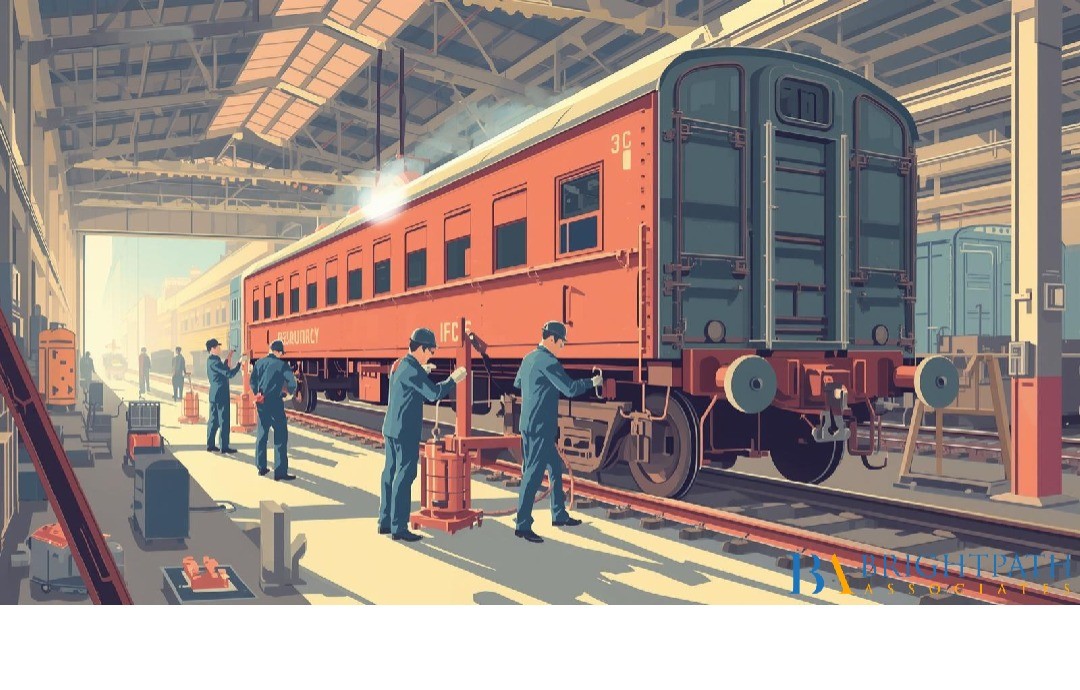
Freight car refurbishment refers to the comprehensive process of renewing and upgrading older railway freight cars, bringing them back to operational standards with modern technology. This detailed process encompasses various stages such as inspection, repair, upgrading, and extensive testing to ensure reliability and compliance with current standards. The importance of this practice extends beyond the US manufacturing industry; it is intricately linked with global rail industry innovations and the quest for sustainable rail solutions. Moreover, refurbishment can lead to significant cost savings, as it often represents a fraction of the expense of acquiring new cars.
By embracing refurbishment, companies can capitalize on advancements in rail technology and reduce the need for entirely new manufacturing, thereby conserving resources and supporting environmental sustainability. In an era where sustainability is more than just a trend but a necessity, refurbishment aligns perfectly with corporate social responsibility initiatives.
The Market Demand
The #RailroadManufacturingIndustry continues to evolve, driven by technological advancements and economic demands. According to the latest railroad manufacturing industry outlook, refurbishment meets the rising demand for sustainable solutions in the rail sector. Top railroad manufacturing companies in the US are increasingly investing in refurbishment facilities, recognizing that the modernization of existing fleets is often less expensive than creating new ones from scratch. These companies recognize the advantages of updating existing fleets to meet modern standards, thereby staying at the forefront of rail industry news and avoiding the high costs associated with building new cars, which can be prohibitive in a volatile market.
Trends such as the integration of smart technology, enhanced safety standards, and the use of sustainable materials are shaping this market, as highlighted in the latest rail industry insights. These trends not only reflect the evolving demands of the rail industry but also align with the growing consumer preference for environmentally friendly practices, making refurbishment a timely response to changing market dynamics.
Step-by-Step Refurbishment Process
Step 1: Initial Inspection and Assessment
The refurbishment process begins with a thorough initial inspection and assessment. Detailed protocols guide the examination of each component to determine refurbishment needs. Railroad equipment manufacturers employ sophisticated assessment criteria to decide which parts warrant attention, ensuring resources are allocated efficiently. This careful evaluation process is critical, as it establishes a baseline for what repairs or upgrades are necessary and allows companies to prioritize tasks based on urgency and budget.
Step 2: Dismantling and Cleaning
Once the assessment is complete, safe dismantling procedures are employed to disassemble freight cars. This stage focuses on cleaning techniques that leverage rail technology advancements, ensuring every component is restored to its optimal state. The cleaning not only removes accumulated grime but also prepares surfaces for repair or replacement. Utilizing modern cleaning methods, such as advanced pressure washing and environmentally friendly detergents, can significantly enhance the effectiveness of this stage, ensuring that all remnants of dirt and corroded materials are effectively dealt with.
Step 3: Repair and Replacement
This critical phase involves identifying components requiring repair versus replacement. Advanced manufacturing plays a crucial role here, enabling precise restorations and manufacturing of parts that meet or exceed original specifications. Sophisticated technologies improve both the speed and accuracy of this stage, highlighting the continuous evolution of rail #TechnologyAdvancements. Techniques like 3D printing and laser cutting are increasingly being employed to create bespoke components when necessary. This not only speeds up the refurbishment process but also allows for tailored solutions that traditional manufacturing methods may not easily provide.
Step 4: Upgrading Technology
The importance of rail industry innovations becomes particularly evident during the technology upgrade phase. This stage involves integrating new technologies ranging from advanced monitoring systems to energy-efficient components. Real-world examples illustrate the tangible benefits and costs saved through these upgrades. Adopting technologies such as Internet of Things (IoT) devices can enhance operational efficiency by providing real-time data on freight performance and condition, which can help in predictive maintenance and reduce downtime.
Step 5: Reassembly and Testing
The reassembly of refurbished cars demands #MeticulousTechniques to ensure their structural integrity and functionality. This is followed by stringent testing protocols and quality assurance measures to verify performance standards. Successful testing culminates the refurbishment lifecycle, returning the freight car to operational status with enhanced capabilities. During this stage, full-scale tests may be carried out, simulating real-world conditions to confirm that all systems are functioning optimally and meet safety regulations.
Strategic Implications for Executive Search Recruitment
Leadership plays a pivotal role in guiding these refurbishment projects to success. The dynamics of executive hiring, particularly within locomotive manufacturing, reflect broader trends in the industry. As roles evolve, executives must adapt to manage projects that blend traditional rail manufacturing with cutting-edge innovations. Understanding the latest trends and technologies in refurbishment is essential for executives to make informed decisions that align refurbishment projects with the goals of the company.
For small to mid-sized railroad manufacturing companies, executive search recruitment emerges as a strategic asset, offering tailored solutions to fill leadership gaps. By acquiring talent proficient in rail industry challenges and opportunities, companies ensure they remain competitive in a fast-paced environment, transforming potential hurdles into opportunities for growth.
Addressing Leadership Gaps with Executive Search
The rail industry faces a shortage of #SkilledLeadershipTalent, which underscores the importance of strategic recruitment practices. Analyzing these shortages reveals a gap between the demands of modern rail manufacturing and the current availability of qualified leaders. Executive search recruitment offers a proactive solution, positioning itself as a strategic tool to identify and engage the right talent effectively. This proactive approach not only mitigates risks associated with leadership voids but also positions organizations for success in executing refurbishment projects and embracing innovations.
Conclusion
Freight car refurbishment stands as a strategic necessity, offering both economic and environmental benefits. As the rail industry navigates future challenges, leveraging refurbishment alongside innovative rail technologies will be key. Effective leadership remains crucial, with #ExecutiveSearchRecruitment serving as a vital partner in bridging leadership gaps and driving the rail sector towards a dynamic and sustainable future. Ultimately, the rejuvenation of freight cars is not merely about restoring old assets; it is about revitalizing the entire rail infrastructure for a more efficient tomorrow.
References and Resources
For further reading on the topics discussed, visit resources such as BrightPath Associates, which offers insights into the intersection of recruitment and rail industry innovations. This platform serves as a valuable tool for industry decision-makers seeking deeper understanding and actionable strategies in the ever-evolving railroad sector. The insights gained from these resources can be instrumental in navigating the complexities of refurbishment and innovation in the rail industry.
Find your next leadership role in Railroad Industry today!
Stay informed with the latest insights on Railroad Industry!