
Introduction
#FreightBrokerage stands at the center of a rapidly evolving transportation ecosystem. The surge in e-commerce logistics, increasing consumer expectations for faster parcel delivery, and intensifying global shipping activity have fundamentally reshaped the delivery industry. For C-suite executives and founders of small to mid-sized package and freight delivery companies, the mandate is clear: achieve operational efficiency while sustaining growth in a highly competitive and technology-driven environment.
Freight brokerage services play a critical role in connecting shippers with carriers, optimizing routes, managing freight shipping documentation, and ensuring timely transportation. As shipping volumes expand and supply chains grow more complex, brokerage firms must adopt innovative strategies that enhance agility, visibility, and cost control. Yet operational sophistication alone is insufficient. Leadership capability increasingly determines whether growth strategies succeed or falter.
Market Growth, Margin Pressure, and Competitive Intensity
Global freight shipping and parcel delivery volumes continue to expand, driven largely by digital commerce and consumer demand for rapid fulfillment. The delivery sector has experienced sustained growth, with e-commerce logistics representing a substantial share of transportation demand.
However, growth has not eliminated challenges. Margin compression remains a persistent concern as shippers demand competitive pricing and carriers negotiate higher rates amid fluctuating fuel and labor costs. Small to mid-sized freight brokerage firms often operate with tighter margins than multinational logistics providers, leaving limited room for operational inefficiency.
To remain competitive, companies must deploy logistics innovation that enhances load optimization, reduces empty miles, and improves carrier utilization. Real-time freight visibility platforms, automated dispatch systems, and predictive analytics tools are becoming foundational components of modern freight brokerage services. These delivery technology investments can improve throughput and customer satisfaction, but their effectiveness depends heavily on strategic oversight.
Digital Transformation and Operational Integration
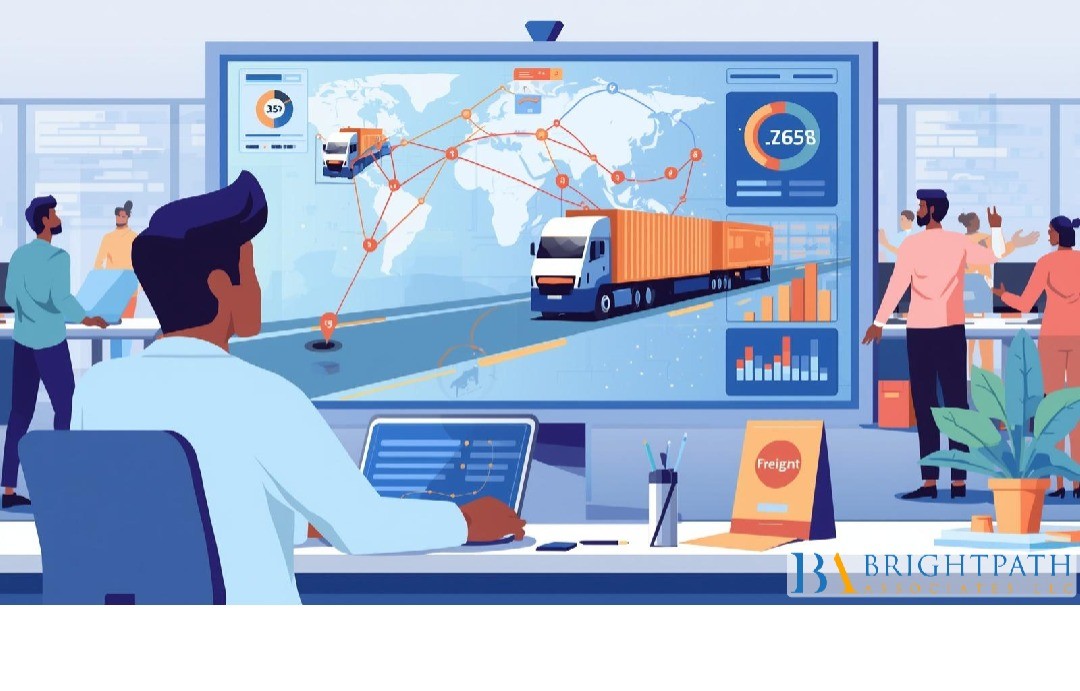
#DigitalTransformation has redefined how freight brokerage firms operate. Advanced transportation management systems integrate load matching, pricing analytics, and performance monitoring into centralized dashboards. AI-driven algorithms optimize freight assignments by analyzing traffic patterns, carrier reliability, and historical shipping data.
Delivery technology now enables end-to-end tracking, offering clients transparency from pickup to final parcel delivery. This visibility strengthens customer trust while reducing dispute resolution costs. Automation also streamlines billing, documentation, and compliance reporting, minimizing administrative overhead.
For smaller brokerage firms, integrating these technologies presents both opportunity and risk. Capital investments must align with scalable growth objectives. Implementation requires cross-functional coordination between IT, operations, and finance teams. Without strong executive leadership, digital transformation initiatives may stall or fail to deliver measurable returns.
Executives must evaluate which technologies enhance efficiency and which create unnecessary complexity. Strategic clarity at the leadership level ensures that logistics innovation supports profitability rather than diluting resources.
The Growing Leadership Talent Shortage
As freight brokerage becomes more technology-intensive, the demand for delivery sector tech talent has surged. Companies require executives who understand transportation logistics, data analytics, digital platforms, and regulatory compliance simultaneously.
The talent pool capable of bridging these domains remains limited. Experienced transportation leaders often possess deep operational expertise but may lack digital fluency. Conversely, technology-oriented executives may not fully grasp the nuances of freight shipping dynamics and carrier relationships.
Small to mid-sized package and freight delivery firms face additional challenges in competing for high-caliber executives against large global carriers. Compensation disparities and brand recognition advantages often tilt the playing field toward multinational enterprises.
Leadership gaps in freight brokerage can have cascading effects. Ineffective pricing strategies erode margins. Weak carrier relationship management reduces service reliability. Poorly managed digital transformation initiatives waste capital and delay operational improvements. The stakes associated with executive hiring are therefore exceptionally high.
Evolving Executive Role Expectations
The expectations placed upon freight brokerage executives have expanded significantly. Modern leaders must adopt data-driven decision-making frameworks that leverage real-time analytics to optimize pricing and routing strategies. They must cultivate partnerships with carriers while negotiating competitive contracts.
#CustomerExpectations also continue to rise. Businesses increasingly demand transparent shipping processes, faster turnaround times, and proactive communication. Executives must design customer-centric strategies that integrate parcel delivery efficiency with exceptional service standards.
Financial discipline remains equally critical. Freight brokerage firms operate in a cyclical market influenced by fuel costs, labor rates, and macroeconomic conditions. Leaders must maintain cost control while investing strategically in delivery technology and logistics innovation.
In this environment, the profile of the ideal executive has shifted. Companies require leaders who combine operational rigor, technological literacy, strategic vision, and strong interpersonal capabilities. Identifying such multifaceted talent through traditional hiring channels has become increasingly difficult.
The Strategic Evolution of Executive Hiring
Recruitment practices in the freight brokerage sector have undergone significant transformation. Posting job openings and relying on reactive applicant pools often fails to attract candidates with the advanced competencies required in modern transportation environments.
#ExecutiveSearchRecruitment has emerged as a strategic approach to addressing leadership gaps. Rather than waiting for candidates to apply, proactive organizations partner with specialized recruiters who conduct comprehensive market mapping to identify high-impact executives with relevant industry experience.
This methodology emphasizes competency-based evaluation. Candidates are assessed for their ability to manage digital transformation, optimize freight brokerage services, lead cross-functional teams, and navigate complex transportation regulations. Cultural alignment and adaptability are also evaluated to ensure long-term success.
For small to mid-sized companies, executive search recruitment levels the competitive landscape. It enables access to passive candidates—leaders who may not be actively seeking new opportunities but possess transformative expertise.
Executive Search Recruitment as a Growth Strategy
Strategic executive hiring directly influences operational efficiency and growth potential. A well-aligned chief operations officer can streamline load planning, strengthen carrier partnerships, and implement advanced delivery technology platforms that improve service reliability. A visionary chief executive can reposition a brokerage firm within the evolving e-commerce logistics ecosystem.
Brightpath Associates exemplifies a focused executive search recruitment approach tailored to complex industrial and transportation sectors. By leveraging industry insight and rigorous candidate assessment frameworks, it supports package and freight delivery companies in identifying leaders capable of driving logistics innovation and scalable growth.
Through disciplined executive search recruitment, companies mitigate the risks associated with leadership misalignment. They secure executives who understand the nuances of shipping, transportation networks, digital integration, and financial performance. In a competitive delivery industry, leadership strength becomes a decisive advantage.
Conclusion: Leadership as the Engine of Sustainable Growth
Freight brokerage firms operate within a dynamic landscape defined by expanding parcel delivery volumes, intensifying competition, and rapid technological change. For C-suite executives and founders of small to mid-sized package and freight delivery companies, operational efficiency and growth are inseparable from leadership capability.
The labor challenge within the delivery sector, particularly at the executive level, demands proactive solutions. Companies that embrace executive search recruitment as a strategic investment position themselves to secure transformative leaders who can integrate logistics innovation, optimize freight brokerage services, and navigate market volatility.
Sustainable success in freight brokerage depends not only on advanced delivery technology or competitive pricing but on the quality of leadership guiding these initiatives. Organizations that align executive hiring strategy with #OperationalGoals will shape the future of transportation and achieve enduring competitive advantage.
Find your next leadership role in Packaging and Freight Industry today!
Stay informed with the latest insights on Packaging and Freight Industry!