
Understanding Remote Sensing and its Importance
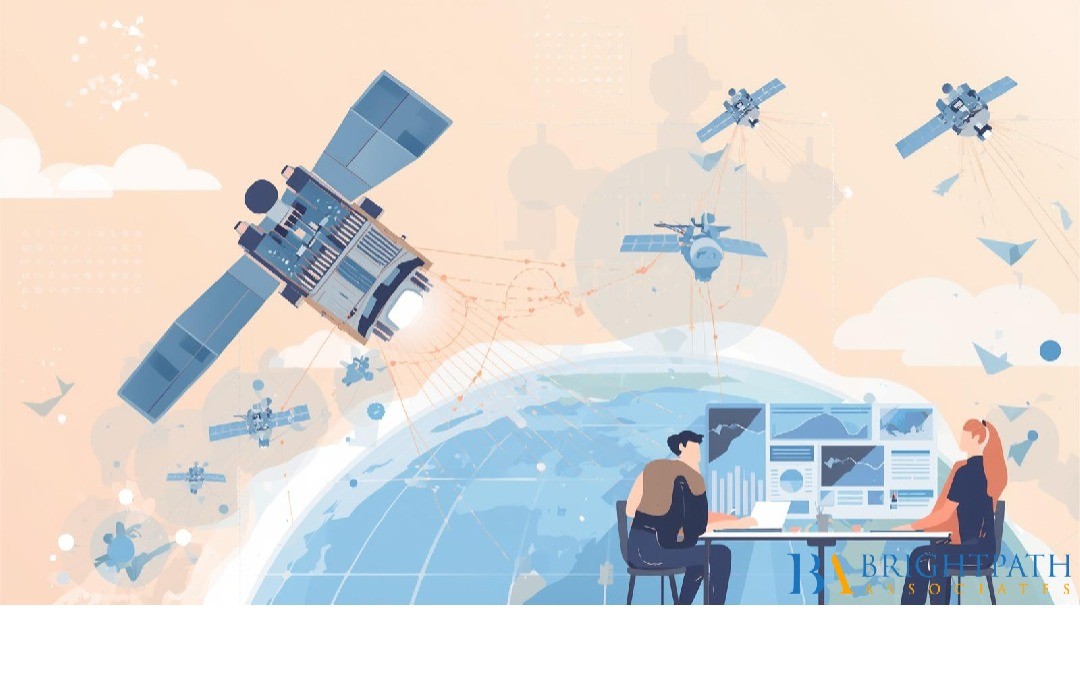
#SpaceRemote sensing is an essential tool in understanding and analyzing the planet’s various systems. It involves acquiring information from a distance using sophisticated instruments placed on space-based platforms, such as satellites or aircraft. These platforms enable scientists and researchers to gather a wide range of data about the Earth’s surface, atmosphere, and oceans, without requiring direct contact with the elements being studied. NASA’s efforts in this domain highlight the significance of remote sensing in facilitating data-informed decision-making for Earth systems management, environmental protection, and disaster response. Platforms in low, medium, and high Earth orbits offer diverse applications across varying latitudes and global coverage, from monitoring weather conditions to assessing the impact of natural disasters. These sensors rely heavily on the electromagnetic spectrum to capture vital data, enhancing insights into Earth processes and conditions. By accessing wavelengths not visible to the human eye, such as infrared and ultraviolet, remote sensing allows for deeper exploration into phenomena such as vegetation health, land temperatures, and ocean currents.
Key Applications of Space Remote Sensing
Space remote sensing is pivotal across numerous domains, contributing significantly to environmental monitoring and climate change studies. For instance, it plays a key role in tracking deforestation, urban sprawl, and glacial retreat, thus assisting governments and organizations in formulating effective strategies to combat climate change and mitigating its effects. Data collected through remote sensing can highlight trends over time and help in forecasting future environmental shifts. Another vital application is land cover mapping, which aids in agriculture by providing essential data on crop health and yield predictions. Farmers can utilize this information to optimize their resources, enhance food security, and develop sustainable agricultural practices.
In urban planning, remote sensing technology offers critical insights that support infrastructure development, facilitate smarter resource management, and mitigate geological risks. High-resolution imagery can assist city planners in understanding land use patterns and making data-driven decisions regarding transportation networks and public services. Moreover, in defense and security sectors, the integration with Defense Space Systems enhances threat detection and management, promoting national security by providing real-time surveillance capabilities that are invaluable during crises. Satellite imagery allows for the monitoring of troop movements, equipment deployment, and natural disaster damage, thereby ensuring swift and accurate responses.
Space cybersecurity is another cornerstone, ensuring that the sensitive data collected through remote sensing is protected from various cyber threats. This protection is increasingly crucial in today’s digital age, as the malicious targeting of satellite systems could undermine critical infrastructure and national security. Employing robust cybersecurity measures helps safeguard not only data privacy but also the integrity of the analytical insights derived from remote sensing technologies.
Emerging Technologies in Remote Sensing
The field of remote sensing is evolving rapidly with #TechnologicalAdvancements that continually enhance its capabilities. Developments in sensor technology and data analytics are transforming how data is collected, processed, and interpreted. Innovations such as multispectral sensors, hyperspectral sensors, and LiDAR (Light Detection and Ranging) are adding to the depth and specificity of the data obtained. Space robotics is revolutionizing remote sensing operations by offering enhanced maneuverability, operational efficiencies, and the potential for autonomous functions in space missions. These robotic systems can perform complex tasks, such as maintaining satellite health or facilitating data collection from hard-to-reach areas, all while minimizing human intervention.
Space electronics also play a crucial role in improving the capabilities of remote sensing technologies, providing more precise and reliable data collection from increasing dynamic environments. Miniaturization and advancements in power management are key trends driving the evolution of remote sensing instruments. Additionally, innovative space propulsion technologies support remote sensing missions by enabling longer and more accurate data collection efforts, allowing for missions that can last significantly longer without the need for resupply or servicing. These advances not only improve operational efficiency but also reduce costs and increase the accessibility of remote sensing technology for varied applications.
Industry Perspectives and Trends
The defense sector’s thirst for innovation significantly impacts the development of remote sensing technologies. Defense innovation drives advancements, lending these technologies robustness and resilience in challenging scenarios. The demand for more precise and real-time data fuels research and development within this field, leading to cutting-edge advancements that often find applications beyond the military. Additionally, the intersection of Space Venture Capital and remote sensing has fueled innovations by providing financial support for groundbreaking space projects and fostering industry growth, ultimately contributing to a more resilient and adaptable space economy.
Space regulatory frameworks are continually evolving, impacting remote sensing practices across the globe. These regulations aim to streamline space operations while ensuring ethical and sustainable practices. With the increased commercial interest in space and the growing number of organizations engaged in remote sensing activities, there is a pressing need for clear guidelines and policies to govern data sharing, usage rights, and responsibilities, particularly in the context of international collaborations. Such frameworks help address privacy concerns and enable a balanced approach to data usage, ensuring that the benefits of remote sensing technology can be harnessed responsibly.
Talent and Leadership in Space Remote Sensing
Despite technology-driven advancements, leadership gaps pose substantial challenges within the #SpaceIndustry. As the field continues to evolve, the demand for skilled professionals with specialized knowledge in remote sensing technologies is soaring. Growing positions require a unique blend of technical expertise, business acumen, and visionary leadership. Executive search recruitment firms like BrightPath Associates have emerged as essential partners in bridging these gaps, helping organizations identify and recruit the next generation of leaders who can navigate the complexities of this fast-paced environment.
Executive recruiters artfully combine niche industry expertise with strategic talent acquisition practices, helping organizations find leaders who drive change, innovation, and sustainable growth. As role expectations shift from 2023 to 2025, executives must adapt to encompass more diverse skills, focusing on interdisciplinary knowledge that incorporates advancements in data science, environmental policy, and technology integration. This evolution necessitates a forward-thinking workforce that can respond to emerging challenges in remote sensing and offer innovative solutions for the future.
Strategic Solutions for Addressing Industry Challenges
Leadership development and effective recruitment practices are crucial for navigating #TechnologicalAdvancements in space remote sensing. To ensure organizations remain competitive, companies are adopting various strategies to acquire and retain top talent. BrightPath Associates stands out as a leader in delivering tailored recruitment solutions, helping businesses overcome executive talent shortages by identifying candidates who align with their strategic vision.
Additionally, with the increasing volume of data generated in remote sensing, implementing robust Defense Cybersecurity measures is indispensable. These measures must include not only the protection of data systems but also the proactive assessment of vulnerabilities and the establishment of protocols for responding to potential breaches. This capability safeguards national assets by securing data against evolving cyber threats and ensuring data integrity, thus reinforcing trust in the systems and processes surrounding remote sensing technologies.
Conclusion
Space remote sensing is a vital technology with far-reaching applications and rapidly developing technologies that continue to reshape our understanding of the Earth and its systems. The integration with defense systems, combined with advances in cybersecurity, electronics, and robotics, is fundamentally altering the landscape of the industry. Amidst these changes, strategic leadership and focused talent acquisition remain critical to sustaining growth and fostering innovation. As the industry continues to evolve, #ExecutiveSearchRecruitment will play an invaluable role in steering the course of future developments in space exploration and security. These integrated efforts ensure not only the growth of individual organizations but also the advancement of the global space community, paving the way for future generations to explore and understand our universe in ways previously thought impossible.
Find your next leadership role in Defense and Space Industry today!
Stay informed with the latest insights on Defense and Space Industry!