
Introduction
In today’s fast-paced #BusinessEnvironment, ensuring ergonomic compliance in the workplace is crucial for avoiding injury liabilities and maintaining a healthy workforce. The office supplies industry, which encompasses business equipment, office supply management, and commercial office furniture, plays a pivotal role in this regard. This comprehensive guide explores the importance of ergonomic compliance and offers insights into how businesses can mitigate risks associated with workplace injuries.
Understanding Ergonomic Compliance
Ergonomic compliance refers to the practice of designing and arranging workplaces, products, and systems to fit the people who use them. This approach helps reduce the risk of musculoskeletal disorders (MSDs) and other injuries that can arise from repetitive motion, improper posture, and inadequate workspace design. In the office supplies industry, ensuring that commercial office furniture and business equipment are ergonomically designed is vital for employee health and productivity.
#OfficeSupplyManagement is integral to maintaining an ergonomic workplace. This involves selecting and procuring the right office supplies and equipment that adhere to ergonomic standards. Businesses must work closely with office supply vendors to ensure they are sourcing products that contribute to a safer and more comfortable work environment. By focusing on ergonomic compliance, companies can reduce the likelihood of workplace injuries and the associated costs.
The Impact of Commercial Office Furniture
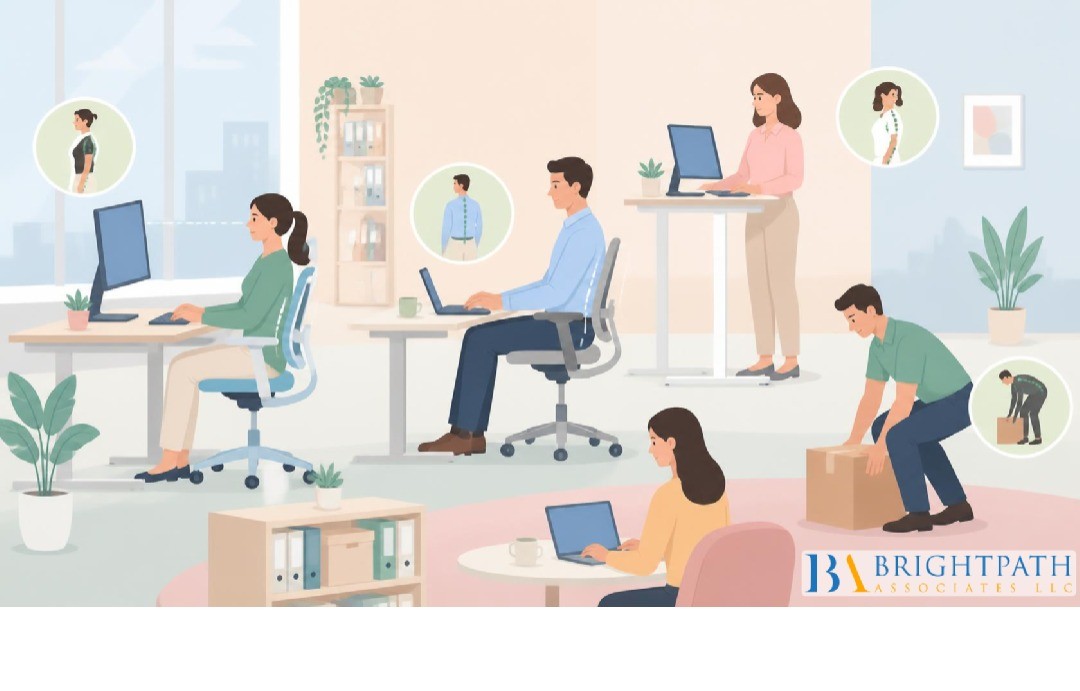
The choice of commercial office furniture can significantly influence #ErgonomicCompliance. Ergonomically designed desks, chairs, and workstations are crucial for preventing common workplace injuries, such as back pain and carpal tunnel syndrome. Adjustable chairs that support proper posture, desks with adjustable heights, and workstations that accommodate various tasks are essential for creating an ergonomic environment.
Furthermore, the arrangement of office furniture should promote ease of movement and accessibility. Employees should have sufficient space to move around without straining, and frequently used items should be within easy reach. This strategic arrangement not only prevents injuries but also enhances efficiency and productivity.
The integration of technology in the workplace has brought about significant changes in office environments. Office technology trends, such as the use of standing desks, ergonomic keyboards, and dual monitors, are shaping how employees interact with their workspace. Digital transformation in the office, which includes the adoption of cloud-based systems and remote work capabilities, also impacts ergonomic compliance.
As businesses embrace digital transformation, they must ensure that their technological advancements do not compromise employee well-being. Providing training on the proper use of new technologies and ensuring that digital devices meet ergonomic standards are essential steps in reducing injury risks.
Office Equipment Maintenance and Procurement
Regular maintenance of office equipment is paramount for ensuring a safe and ergonomic workplace. Equipment that is not properly maintained can lead to accidents and injuries. For instance, a faulty chair may cause an employee to fall, while a malfunctioning printer could lead to strain from improper usage. Implementing a routine maintenance schedule and promptly addressing equipment issues are critical for minimizing risks.
When it comes to procurement, businesses should prioritize acquiring office supplies and equipment that meet ergonomic standards. This involves collaborating with reputable office supply vendors who understand the importance of ergonomics in the workplace. By making informed procurement decisions, companies can create a safer and more supportive work environment.
Talent acquisition strategies should also consider ergonomic compliance as a factor for attracting and retaining top talent. Potential employees are increasingly aware of the importance of workplace health and safety. Companies that prioritize ergonomic compliance demonstrate their commitment to employee well-being, which can be a significant draw for prospective hires.
#ExecutiveSearchRecruitment processes should highlight the company’s dedication to providing an ergonomically sound work environment. This not only helps attract qualified candidates but also promotes a positive organizational culture that values health and safety.
Conclusion
Ergonomic compliance is a critical aspect of avoiding workplace injury liabilities. By focusing on ergonomic design and maintenance in the office supplies industry, businesses can create safer and more productive work environments. From selecting appropriate commercial office furniture to embracing office technology trends and digital transformation, every aspect of the workplace should support the health and well-being of employees.
Incorporating ergonomic compliance into office supply management, procurement, and #TalentAcquisitionStrategies ensures that companies are well-equipped to prevent common workplace injuries. By fostering a culture of safety and wellness, businesses can enhance their reputation, reduce costs associated with workplace injuries, and improve overall employee satisfaction and productivity.
Find your next leadership role in Business Supplies & Equipment Industry today!
Stay informed with the latest insights on Business Supplies & Equipment Industry!