
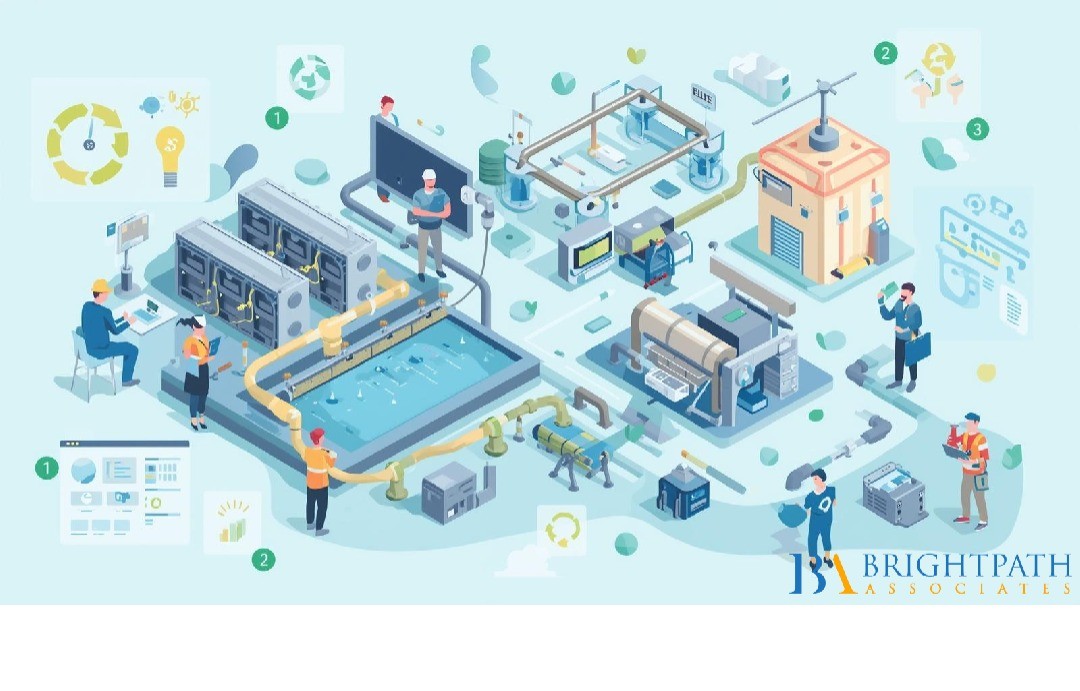
Introduction to Oilfield Water Management
#OilfieldWaterManagement holds a pivotal role in the oil and gas industry, particularly within the United States, where the environmental impact has become a critical area of focus for both the public and private sectors. This increased awareness has brought heightened scrutiny from regulatory bodies and the general public, pushing oil and gas companies to innovate and implement effective water management strategies. The complexities of water usage in oil extraction and refining processes highlight the necessity for comprehensive management practices that not only mitigate risks but also enhance operational efficiency. As seen in emerging technologies within energy industry trends—such as petroleum engineering services and oilfield services companies—effective water management has become essential for sustainable oil drilling technology, energy sector investment, and refinery operations management. In fact, the integration of innovative approaches to water management can serve as a competitive advantage, aligning business operations with sustainability goals while satisfying regulatory compliance.
Challenges in Oilfield Water Management
The primary environmental challenges faced in oilfield water management include wastewater disposal, water scarcity, and contamination. These issues are not only detrimental to local ecosystems but can also pose risks to public health and safety. The geographical diversity of oil extraction sites means that management practices must be tailored to regional conditions, further complicating the landscape. Moreover, the technological and infrastructure barriers that have traditionally hindered the implementation of effective water management solutions remain significant. For instance, many legacy systems are outdated and incompatible with contemporary technologies. Economic and operational constraints also play a significant role, with fluctuating market conditions affecting the capital available for investing in and adopting innovative solutions. Given the complexities surrounding these challenges, understanding the dynamics of oil and gas jobs in the USA is vital for addressing the talent and technological gaps prevalent in this sector. Companies must not only focus on technological advancements but also on cultivating a workforce that is well-versed in modern water management practices.
Innovative Solutions and Technologies
Current technologies being utilized in oilfield water management offer a promising outlook, despite the prevailing challenges that beset the industry. Innovations in water transfer and treatment—particularly in strategic oil drilling regions such as the #PermianBasin demonstrate successful implementation and provide significant benchmarks for industry standards. For example, advanced filtration systems that utilize membrane technologies are becoming increasingly common, allowing for the removal of contaminants to meet stringent discharge regulations. Additionally, real-time recycling units enable companies to continually reuse water across multiple cycles of drilling and extraction, conserving valuable resources in water-scarce regions. Automation also plays a critical role; technology now allows for remote monitoring and management of water resources, enhancing efficiency and responsiveness to potential issues. These technologies not only allow for improved resource utilization but also lead to reduced operational costs and increased regulatory compliance. Such advancements are vital for maintaining the competitive edge of oil and gas companies in an industry that is progressively oriented towards sustainability.
Best Practices for Sustainable Water Management
Oilfield services companies are increasingly adopting automation and remote monitoring of water management processes to ensure compliance and enhance cost efficiency. This shift towards technology-driven methodologies has transformed traditional practices, allowing for real-time data collection and analysis that informs decision-making. Integrating advanced filtration and treatment systems assists in managing refinery operations while adhering to environmental standards, significantly reducing the potential for pollution and ensuring safe disposal of wastewater. Moreover, strategic water management practices are crucial in aligning operational activities with regulatory demands, thereby ensuring both cost efficiency and environmental stewardship. These practices include thorough assessments of local water availability, investment in innovative treatment technologies, and stakeholder engagement to foster community relations. By prioritizing sustainability through such best practices, oilfield services companies can demonstrate their commitment to responsible resource management, earning trust and support from both the public and regulatory agencies.
Industry Trends and Developments
Industry trends impacting oilfield water management are characterized by a growing focus on sustainable energy solutions and the adoption of circular economy principles. As environmental awareness rises and regulatory frameworks become more stringent, the drive to evolve #OperationalPractices becomes imperative. Companies are increasingly looking to integrate sustainable practices not only to comply with regulations but also to enhance their market positioning. The role of #ExecutiveSearchRecruitment emerges as a significant factor in bridging leadership gaps necessary for efficient management in this context. According to BrightPath Associates, a leader in executive recruitment, finding the right talent is vital for navigating the challenges within the energy industry, including those faced in petroleum and sustainable energy solutions. Skilled professionals are needed who can innovate, lead technology integration, and navigate the complex regulatory landscape that governs water management in oilfields. This focus on leadership development will ultimately play a crucial role in shaping the future landscape of the industry, fostering a workforce that is equipped to address challenges head-on.
Conclusion
In conclusion, effective oilfield water management is a multi-faceted challenge that requires strategic innovation, informed decision-making, and strong leadership. By adopting advanced technologies and aligning operations with sustainable practices, the oil and gas industry can uphold environmental integrity while striving for profitability and growth. The critical role of executive recruitment agencies, such as BrightPath Associates, in providing the leadership necessary for this transition highlights the importance of skilled professionals who can drive the sustainability agenda forward. The future of the oil and gas sector relies on innovative water management solutions, which reinforce the industry’s commitment to environmental stewardship and efficiency. As the industry evolves, it is paramount that companies prioritize addressing leadership gaps and evolving #HiringPractices within the oilfield services industry. In tackling the multifaceted challenges of water management, small to mid-sized companies in the oil and gas sector must focus on developing their talent pipeline and investing in continuous training to secure sustained success in this ever-evolving landscape. Such proactive measures will ensure that the industry can meet both current needs and future demands in a responsible manner.
Find your next leadership role in Oil and Gas Industry today!
Stay informed with the latest insights on Oil and Gas Industry!