
Introduction
In recent years, the transportation and #DeliveryIndustry has faced significant challenges, including high turnover rates among drivers. Small and medium-sized enterprises (SMEs) in the logistics sector are particularly vulnerable to these challenges, as they often lack the resources to compete with larger companies in terms of employee benefits and compensation. However, one promising solution has emerged: driver wellness programs. These programs have been shown to effectively reduce turnover, enhance employee satisfaction, and improve overall company performance. This article explores the benefits of driver wellness programs and their impact on reducing SME turnover within the logistics and delivery sectors.
Understanding Driver Wellness Programs
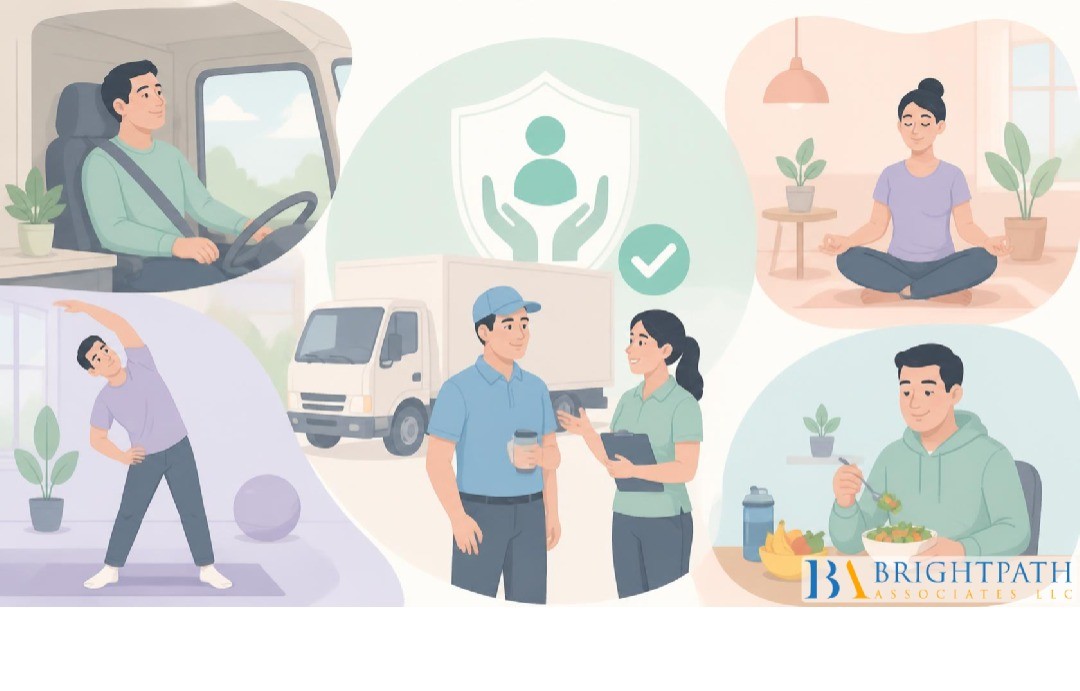
Driver wellness programs are initiatives designed to improve the physical, mental, and emotional well-being of drivers. These programs often include health screenings, fitness activities, nutrition counseling, stress management workshops, and mental health support. By addressing the unique challenges that drivers face, such as long hours on the road, irregular sleep patterns, and sedentary lifestyles, these programs aim to foster a healthier and more engaged workforce.
The #LogisticsSector, encompassing freight brokerage services, parcel delivery, and freight shipping, relies heavily on the performance and well-being of its drivers. High driver turnover can lead to increased recruitment costs, operational disruptions, and reduced service quality. As SMEs strive to optimize shipping and delivery technology, maintaining a stable and healthy workforce becomes crucial.
Driver wellness programs can significantly mitigate these challenges by improving driver retention and reducing turnover rates. When drivers feel valued and supported through wellness initiatives, they are more likely to remain with their employers, enhancing the overall stability and efficiency of logistics operations.
Benefits of Implementing Driver Wellness Programs
One of the most significant benefits of driver wellness programs is the enhancement of employee satisfaction. When drivers participate in wellness initiatives, they often experience a greater sense of well-being and work-life balance. This, in turn, leads to higher job satisfaction and increased loyalty to their employers. As a result, SMEs can retain experienced drivers, reducing the need for constant recruitment and training.
#DriverWellnessPrograms contribute to improved health and safety standards within the delivery industry. By promoting healthy lifestyles and providing access to medical screenings, these programs help identify and address potential health issues before they become severe. Healthier drivers are less likely to experience accidents or health-related incidents on the road, leading to safer operations and reduced liability for companies.
Healthy drivers are generally more productive and perform better in their roles. Wellness programs that focus on physical fitness, mental health support, and stress management enable drivers to cope better with the demands of their jobs. This increased productivity can lead to improved service quality, faster delivery times, and higher customer satisfaction in the e-commerce logistics sector.
While implementing driver wellness programs requires an initial investment, the long-term cost savings can be substantial. Reduced turnover means lower recruitment and training expenses, while healthier drivers lead to fewer health insurance claims and lower absenteeism rates. For SMEs in the logistics and delivery sector, these savings can be reinvested into other areas of the business, contributing to overall growth and sustainability.
Overcoming Challenges in Implementation
Despite the clear benefits, some SMEs may face challenges when implementing driver wellness programs. Limited financial resources, lack of expertise in wellness program design, and resistance to change are common hurdles. However, with the right approach, these challenges can be overcome.
SMEs can benefit from partnering with #LogisticsConsultingServices to design and implement effective wellness programs. These services provide industry expertise and insights into best practices, ensuring that wellness initiatives are tailored to the specific needs of the company and its drivers. By leveraging logistics consulting services, SMEs can maximize the impact of their wellness programs and achieve better outcomes.
The delivery industry is increasingly incorporating technology into its operations, and wellness programs can also benefit from technological advancements. Engaging delivery sector tech talent can help SMEs develop innovative wellness solutions, such as mobile apps for tracking fitness goals, virtual health consultations, and online wellness resources. These tech-driven initiatives can enhance the accessibility and effectiveness of wellness programs, encouraging greater participation among drivers.
Creating a supportive company culture is essential for the success of driver wellness programs. SMEs should communicate the value of wellness initiatives to their employees and encourage participation at all levels. By fostering a culture of well-being and support, companies can ensure that wellness programs are embraced and integrated into daily operations.
The Role of Executive Search Recruitment
#ExecutiveSearchRecruitment can play a pivotal role in the successful implementation of driver wellness programs. Recruiting leaders who prioritize employee wellness and understand its strategic importance can drive the development and execution of effective programs. Executive search recruitment firms can help SMEs identify and hire individuals with the vision and expertise needed to champion wellness initiatives and lead companies toward reduced turnover and enhanced performance.
As the transportation industry evolves, so too will driver wellness programs. The integration of delivery technology and data analytics will enable more personalized and data-driven wellness initiatives. Companies will likely adopt a more holistic approach to wellness, encompassing physical, mental, and emotional health.
Moreover, as transportation industry trends continue to prioritize sustainability and efficiency, wellness programs will play a crucial role in supporting these goals. Healthier drivers contribute to more sustainable operations, reducing fuel consumption and emissions, and enhancing overall environmental responsibility.
Conclusion
In conclusion, driver wellness programs offer a proven metric for reducing turnover in SMEs within the logistics and delivery sectors. By enhancing employee satisfaction, improving health and safety, and increasing productivity, these programs provide tangible benefits for both employees and employers. While challenges exist, leveraging logistics consulting services, engaging delivery sector tech talent, and fostering a supportive company culture can overcome these obstacles and ensure the success of wellness initiatives.
As the delivery industry continues to evolve, driver wellness programs will remain a vital component of strategic efforts to optimize operations and achieve long-term success. By prioritizing the well-being of drivers, SMEs can not only reduce turnover but also build a more resilient and competitive business in the rapidly changing landscape of the logistics and delivery industry.
Find your next leadership role in Packaging and Freight Industry today!
Stay informed with the latest insights on Packaging and Freight Industry!