
Introduction
- In the modern industrial landscape, #DigitalManufacturingSolutions have become pivotal for staying competitive and fostering growth. Industries across the globe are rapidly embracing technology to enhance productivity and adapt to changing market demands. The shift towards digital solutions signifies a broader transformation across sectors, optimizing everything from the supply chain to customer interaction. Companies that integrate these technologies not only experience improved efficiency but also gain a strategic edge in their respective markets.
- Technological advancements, particularly in industrial machinery and precision machining, are revolutionizing manufacturing processes. These advancements enable manufacturers to achieve higher efficiency, flexibility, and responsiveness. As the demand for customization increases, manufacturers are discovering that these technological innovations provide them with the agility needed. Moreover, this digital evolution fosters innovation, allowing companies to produce more sophisticated and varied product lines that meet consumer needs without sacrificing quality.
Understanding Digital Manufacturing Solutions
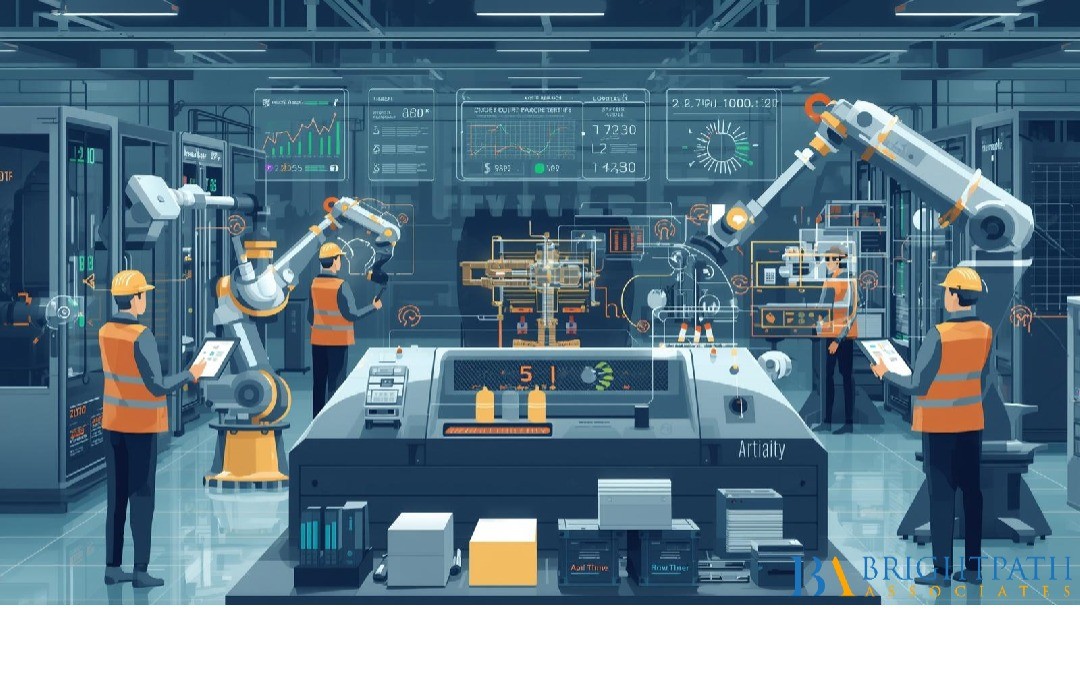
- Digital manufacturing solutions encompass a wide range of applications that integrate digital technologies into manufacturing processes, thereby enhancing control, precision, and speed. Core components include industrial automation, CNC machining, and intelligent machinery systems. These systems allow for the management of production processes through advanced software, enabling real-time monitoring, tracking of performance metrics, and instant adjustments to operations for optimizing output.
- Technologies driving this transformation include Industrial Internet of Things (IIoT), artificial intelligence, robotics, and advanced data analytics. These technologies enable the seamless integration and functionality of manufacturing systems, leading to improved production outcomes. For instance, real-time data analysis allows manufacturers to identify bottlenecks and inefficiencies within their operations, leading to proactive decision-making that enhances productivity and minimizes waste.
Industrial Machinery and Automation
- #IndustrialMachinery plays a crucial role in enhancing productivity by enabling faster and more efficient manufacturing processes. Modern machinery incorporates sophisticated technology that allows for continuous operation and reduced downtime, which is critical for meeting tight deadlines and fulfilling customer orders promptly. The evolution of machinery technology, such as 3D printing and additive manufacturing, offers manufacturers even greater capabilities to create complex components with less material waste.
- The shift towards industrial automation signifies a broader trend towards machine-driven processes, where automation reduces labor costs and minimizes human error. This allows companies to maintain consistent production quality while meeting increased demand and handling complex tasks. Furthermore, the rise of collaborative robots (cobots) highlights the potential for automation to complement human workers rather than replace them, fostering a more integrated workforce that benefits from the strengths of both technology and human ingenuity.
Precision Machining and CNC Machining
- Precision machining is a cornerstone of manufacturing efficiency, providing the ability to produce parts with exceptionally tight tolerances and high accuracy. It supports the creation of intricate components that are essential for high-performance machinery and applications across various sectors, including aerospace, automotive, and medical devices. This precision is not only vital for performance but also for safety, as even minor discrepancies can lead to significant issues in high-stakes environments.
- CNC machining enhances manufacturing processes by automating control over machining tools. It reduces the need for manual intervention and allows for the complex and repeatable production of parts, boosting efficiency and quality. The transition to CNC technology means that manufacturers can shift from mass production to more tailored approaches, adapting quickly to changes in consumer demand without incurring heavy costs, thus positioning themselves more favorably in the marketplace.
Machinery Maintenance and Efficiency
- Regular machinery maintenance is vital for optimal performance and extending machine life. Well-maintained equipment operates more efficiently, produces higher quality products, and minimizes unexpected breakdowns, contributing to overall manufacturing efficiency. Predictive maintenance not only reduces costs associated with unscheduled downtime but also fosters a culture of proactive management, improving safety standards and worker morale as personnel can trust in the reliability of their equipment.
- Strategies for improving manufacturing efficiency include predictive maintenance using data analysis to anticipate and prevent machinery failures, alongside continuous process optimization to streamline production workflows. These practices support not just current operational standards but also provide a framework for scaling operations, enhancing resilience against #MarketFluctuations, and ensuring sustainable growth in an ever-evolving manufacturing landscape.
Leadership Challenges in the Manufacturing Sector
- The manufacturing sector faces significant leadership challenges, including a shortage of leadership talent and rapidly changing role expectations. These challenges are compounded by the increasing complexity of technological integration in manufacturing processes. Leaders today must not only be adept in traditional manufacturing practices but also understand cutting-edge technologies to drive innovation and efficiency within their teams. Effective leadership is imperative for fostering a culture that embraces change and motivates employees to adapt to new technologies.
- For machinery manufacturers, adapting to these changes involves redefining leadership roles to focus on strategic innovation, digital transformation, and coordination across technology and operations teams. This redefined leadership approach allows organizations to harness the full potential of their workforce and ensures that they can navigate the complexities associated with the integration of advanced technologies into their operations.
Executive Search Recruitment as a Strategic Solution
- #ExecutiveSearchRecruitment emerges as a crucial solution to bridging leadership gaps, providing companies with access to a pool of highly-qualified candidates who can drive business growth and transformation. BrightPath Associates exemplifies success in this arena with tailored recruitment strategies for small to mid-sized businesses. Their approach not only identifies candidates with the right technical skills but also those who align with the organizational culture and can lead teams through periods of significant change.
- Case studies from BrightPath Associates demonstrate effective executive recruitment, where strategic hiring has addressed leadership deficits, paving the way for successful digital transformation and market competitiveness. By prioritizing a diverse range of candidates and focusing on innovative thinking, these recruitment efforts have not only fulfilled immediate staffing needs but have also fostered long-term organizational resilience and adaptability.
Future Trends and Opportunities
- Emerging trends in digital manufacturing highlight the future emphasis on sustainable manufacturing practices, enhanced data utilization, and continued integration of automation and AI by 2025 and beyond. Sustainability is becoming a major focus for companies as consumers increasingly prioritize environmentally-friendly products. Thus, manufacturers who incorporate sustainable technologies and practices find themselves not only enhancing their brand reputation but also achieving significant operational savings.
- Opportunities for growth and innovation reside in adopting these technologies to enhance operational agility, penetrate new markets, and implement cutting-edge manufacturing practices that adhere to evolving consumer and environmental standards. Companies that remain vigilant about market shifts and are proactive in their technological adoption will emerge as leaders in their respective fields, setting the stage for future success and ensuring they can meet both customer expectations and regulatory requirements.
Conclusion
Digital manufacturing solutions offer immense benefits by enhancing productivity, improving manufacturing efficiency, and enabling agile responses to market changes. Businesses that embrace these solutions position themselves to capitalize on future opportunities, fostering a culture of innovation and resilience that is essential for long-term sustainability. Embracing change is not merely a strategy; it has become a necessity in the fast-paced world of manufacturing.
For the manufacturing industry, leveraging technology not only addresses current operational challenges but also opens pathways to innovation and growth, ensuring long-term success and competitive advantage. As manufacturers continue to evolve alongside #TechnologicalAdvancements, the ability to adapt and thrive in this new environment will ultimately determine their place in the future of industry.
Find your next leadership role in Machinery Industry today!
Stay informed with the latest insights on Machinery Industry!