
Introduction
Small-to-mid-sized businesses across the #ConstructionSector operate in an increasingly complex environment shaped by fluctuating material costs, changing customer expectations, labor shortages, transportation disruptions, and evolving building regulations. From suppliers of construction materials and distributors of building supplies to manufacturers supporting concrete production and the lumber industry, organizations must coordinate multiple operational activities while maintaining profitability and delivery reliability. In this environment, a resilient supply chain requires more than strong supplier relationships and sufficient inventory. It needs a dependable digital backbone that connects people, processes, data, and decisions.
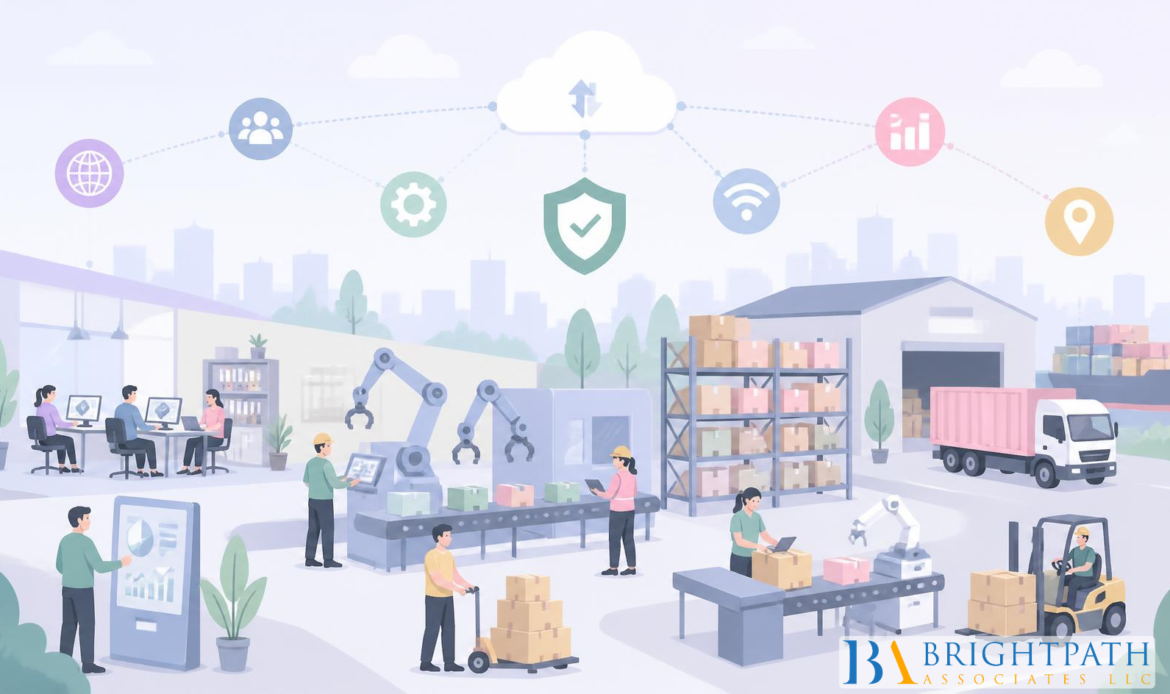
A digital backbone refers to the integrated systems, technologies, and information flows that allow a business to monitor operations, coordinate suppliers, track inventory, manage orders, and respond to disruptions. For small-to-mid-sized companies, developing this infrastructure does not necessarily require expensive enterprise platforms or extensive technology departments. A practical combination of cloud-based software, real-time reporting, automated workflows, and standardized data can significantly improve visibility and operational control.
As the construction industry advances toward greater efficiency, sustainability, and digital adoption, businesses that invest in connected supply chain operations can respond to uncertainty more effectively. They can anticipate shortages, evaluate alternative sourcing options, improve customer communication, and make better-informed decisions about purchasing and production. Building resilience through digital integration is therefore becoming an important component of long-term competitiveness.
Construction supply chains depend on interconnected networks of manufacturers, distributors, transportation providers, contractors, and project owners. A delay in one part of this network can affect multiple downstream activities. When essential building supplies arrive late, contractors may experience idle labor, equipment downtime, and project schedule overruns. Similarly, inaccurate inventory information can result in unnecessary purchases, missed orders, or excessive stockholding that ties up working capital.
Smaller businesses often face these challenges with limited resources. Their procurement teams may rely on spreadsheets, email communications, telephone calls, and disconnected accounting systems. Although these methods can support operations during periods of stability, they become less reliable as transaction volumes increase or supply conditions change rapidly. Information may be duplicated, updated inconsistently, or shared too late to influence purchasing decisions.
The problem becomes more significant when companies source construction materials from multiple regions or serve projects with different specifications and delivery schedules. A supplier’s production interruption, a transportation bottleneck, or a sudden price increase can quickly affect project economics. Digital integration helps organizations replace fragmented information with a consistent operational picture, allowing teams to identify risks earlier and coordinate responses across departments.
Creating End-to-End Visibility Across Material Flows
Visibility is one of the most important foundations of a resilient supply chain. Businesses need to understand what materials they have, what they have ordered, when shipments are expected, and which projects depend on those deliveries. A connected inventory and order management system can consolidate these details into a shared information environment.
For distributors of building supplies, digital inventory records can show stock availability across warehouses, highlight fast-moving products, and identify items approaching reorder thresholds. Purchase orders can be linked to supplier confirmations and expected delivery dates, helping purchasing teams recognize potential shortages before they disrupt customer commitments. For manufacturers, integrated production and inventory data can provide a clearer view of raw material requirements, finished goods, and outstanding orders.
Visibility is particularly valuable for the lumber industry, where product dimensions, grades, moisture conditions, and sourcing requirements may affect suitability for different applications. Standardized product records help businesses maintain consistent specifications and reduce the risk of incorrect deliveries. Similar capabilities can support concrete production by connecting demand forecasts, production schedules, aggregate availability, cement inventories, and delivery coordination.
The objective is not simply to collect more data. It is to ensure that the right information reaches the right people at the right time. When purchasing, warehouse, production, and sales teams work from consistent records, organizations can reduce avoidable errors and make faster operational decisions.
Supplier relationships remain essential to supply chain performance, but relationships alone cannot eliminate uncertainty. Businesses need structured processes for evaluating supplier reliability, monitoring lead times, comparing costs, and identifying alternative sources when disruptions occur. Digital procurement tools can make these activities more systematic and measurable.
A centralized procurement platform can record supplier pricing, order history, delivery performance, product specifications, and contractual requirements. This information helps purchasing managers compare suppliers using more than the quoted price. Delivery consistency, quality, payment terms, geographic exposure, and responsiveness can also inform sourcing decisions.
For businesses purchasing construction materials with volatile prices or extended lead times, historical purchasing data can help reveal patterns in demand and supplier performance. Managers can use these insights to determine where longer-term agreements, diversified sourcing, or carefully planned safety stock may be justified. Critical materials may require alternative suppliers, while readily available products may be managed through more flexible purchasing arrangements.
Digital collaboration also improves communication. Supplier confirmations, revised delivery estimates, and documentation can be shared through consistent workflows instead of scattered email exchanges. This reduces the likelihood of misunderstandings and provides a clearer record of purchasing decisions. For small-to-mid-sized businesses, these improvements can strengthen negotiating positions and reduce the operational burden placed on lean procurement teams.
Using Building Technology to Improve Forecasting and Planning
#DemandForecasting is difficult when projects change scope, delivery schedules shift, or market conditions become unpredictable. Yet inaccurate forecasts can create expensive consequences, including excess inventory, emergency purchases, production interruptions, and missed delivery commitments. Building technology and data analytics can help businesses improve planning without requiring sophisticated predictive systems from the outset.
The first step is establishing reliable historical records. Companies should consolidate information on past orders, seasonal demand, project schedules, supplier lead times, material consumption, and stock movements. Even basic dashboards can reveal recurring patterns, such as seasonal increases in particular building supplies or frequent delays associated with specific suppliers.
As data quality improves, businesses can introduce more advanced forecasting tools. These systems may combine historical sales, current orders, project pipelines, and supplier lead times to estimate future material requirements. Forecasts should remain adjustable because construction demand can change quickly, particularly when projects encounter financing constraints, permitting delays, or design modifications.
For concrete production businesses, better forecasting can help coordinate raw material purchasing with expected production volumes and delivery requirements. Distributors serving multiple contractors can use project-level demand information to prioritize inventory allocation. Manufacturers supporting sustainable construction can also evaluate whether alternative materials will affect procurement schedules or product availability.
Technology should support managerial judgment rather than replace it. Forecasts are most useful when employees understand their assumptions, review exceptions, and update plans as conditions change.
Inventory decisions involve a constant balance between service reliability and working capital. Excessive stock can increase storage costs, damage exposure, and financing requirements, while insufficient stock can interrupt projects and weaken customer relationships. Digital inventory management helps businesses make these decisions using clearer evidence.
Reorder alerts, demand classifications, supplier lead-time records, and inventory aging reports can identify where stock policies need adjustment. High-value or critical materials may require closer monitoring, while frequently available products may not justify extensive reserves. The appropriate strategy depends on demand variability, replacement lead times, storage limitations, and the financial consequences of a shortage.
Logistics visibility is equally important. Shipment tracking, delivery scheduling, and electronic proof of delivery can help businesses coordinate warehouse operations with customer requirements. When delays occur, teams can notify customers, revise unloading schedules, and explore alternative transportation arrangements before a missed delivery creates additional costs.
These capabilities are particularly relevant to construction economics, where labor, equipment, financing, and site access costs can magnify the impact of material delays. A delayed shipment of lumber, cement, or specialized building supplies may affect several trades working within a coordinated project schedule. Better logistics information enables earlier intervention and more realistic delivery commitments.
Resilience does not mean maintaining the maximum possible inventory or eliminating every disruption. It means understanding operational exposure, preparing proportionate responses, and restoring normal performance quickly when unexpected events occur.
Integrating Sustainability and Material Recycling into Digital Operations
Sustainable construction increasingly requires businesses to consider material efficiency, waste reduction, responsible sourcing, and the environmental impact of procurement decisions. Digital systems can help translate these priorities into measurable operational practices.
Material tracking can record quantities purchased, consumed, returned, reused, or discarded. This information allows companies to identify waste patterns and investigate whether better forecasting, storage procedures, packaging choices, or order quantities could reduce unnecessary material use. Standardized documentation can also improve accountability when customers request information about product origins or environmental performance.
Material recycling presents another opportunity. Construction and demolition activities can generate recoverable timber, metals, concrete, and other materials. Digital records can help businesses identify reusable inventory, track recovered materials, and coordinate their movement to suitable processing or reuse channels. For concrete production, reliable records of recycled aggregates and material specifications can support controlled evaluation of recycled inputs, subject to applicable engineering requirements and standards.
Sustainability initiatives must remain commercially and technically practical. Recycled materials are not automatically suitable for every application, and environmental claims should be supported by credible records. Businesses should also consider transportation distances, processing requirements, product quality, and relevant building regulations.
When sustainability data is integrated with procurement and inventory systems, companies can evaluate environmental objectives alongside cost, availability, quality, and delivery performance. This creates a more balanced foundation for responsible growth.
Greater digital connectivity introduces risks that businesses must address deliberately. Supply chain systems contain commercially sensitive information, including supplier agreements, pricing, customer records, project schedules, and inventory positions. Unauthorized access, ransomware, system outages, or compromised supplier communications can disrupt operations and damage trust.
Small-to-mid-sized companies should establish basic cybersecurity practices before expanding their technology environment. These include multifactor authentication, role-based access, regular software updates, secure backups, employee awareness training, and documented procedures for responding to incidents. Critical systems should have recovery plans that explain how essential purchasing, order processing, and delivery activities will continue during an outage.
Data quality deserves similar attention. Incorrect product codes, inconsistent measurement units, duplicate supplier records, and outdated lead times can undermine even the most advanced software. Businesses should assign responsibility for maintaining core data and establish clear standards for recording transactions. Regular checks can identify discrepancies before they influence purchasing or customer commitments.
Building regulations and contractual requirements may also affect material documentation, product traceability, safety records, and environmental reporting. Digital document management can help organizations maintain current records, retrieve relevant certifications, and establish an auditable history of important transactions. However, software alone does not guarantee compliance. Companies must verify which rules apply to their operations and ensure that digital processes reflect those requirements.
Developing the Workforce and Leadership Capability
#TechnologyInvestments deliver limited value when employees do not understand how to use the systems or why new processes matter. Supply chain resilience therefore depends on workforce capability as much as technical infrastructure. Employees need practical training in data entry, inventory controls, order tracking, reporting, and exception management.
Automation can reduce repetitive administrative work, allowing teams to focus on supplier coordination, customer service, and problem-solving. However, successful adoption requires clear communication about changing responsibilities and opportunities for professional development. Employees should understand how the new system improves their work rather than viewing it as an additional layer of monitoring or complexity.
Leadership also plays a central role. Managers must establish measurable priorities, allocate resources, and encourage cooperation across procurement, finance, sales, production, and logistics. In organizations where technology expertise is limited, #ExecutiveSearchRecruitment can help identify leaders with experience in digital transformation, supply chain planning, operational improvement, and change management.
The recruitment process should prioritize practical implementation experience alongside technical knowledge. Businesses benefit from leaders who can connect technology investments to measurable outcomes, build cross-functional accountability, and introduce change at a pace the organization can sustain. As digital capabilities become more important, demand for skilled professionals can also influence construction jobs and workforce development strategies.
A successful digital backbone does not need to be built all at once. Small-to-mid-sized businesses should begin by identifying their most costly and frequent operational problems. These may include inaccurate inventory, late supplier updates, limited order visibility, manual reporting, or inconsistent material documentation.
The next step is mapping the current process and determining where information becomes delayed, duplicated, or inaccessible. Management can then select technology that addresses these specific weaknesses and integrates with existing accounting, purchasing, or warehouse systems. Prioritizing interoperability helps prevent the creation of additional information silos.
Implementation should begin with a manageable pilot, such as a single warehouse, product category, or procurement workflow. The business can measure results through indicators such as inventory accuracy, supplier delivery performance, order processing time, material waste, and the frequency of emergency purchases. Employee feedback should be incorporated before the system is expanded across the organization.
Costs should be evaluated beyond the initial software purchase. Training, data migration, integration, cybersecurity, ongoing support, and process redesign all influence the total investment. Cloud-based platforms and modular applications may provide a more accessible starting point than extensive custom development, although the right choice depends on operational complexity and long-term requirements.
Regular reviews ensure that the digital backbone continues to reflect changing business needs. As transaction volumes increase, companies can introduce more sophisticated analytics, automated approvals, and scenario planning where the expected benefits justify the additional cost.
Conclusion
For small-to-mid-sized businesses, supply chain resilience increasingly depends on the ability to connect information, anticipate disruption, and coordinate decisions across the organization. A well-designed digital backbone improves visibility into construction materials, strengthens supplier collaboration, supports more accurate forecasting, and helps companies manage inventory and logistics with greater discipline.
These improvements also create opportunities to advance sustainable construction, reduce material waste, improve compliance documentation, and respond more effectively to changing market conditions. Their value is particularly significant in an industry where delays, cost fluctuations, and workforce constraints can affect project performance across multiple organizations.
The most effective approach is practical rather than technology-driven. Businesses should address their most pressing operational weaknesses, establish reliable data standards, invest in employee capability, and expand digital systems as measurable results emerge. Leadership commitment and appropriate recruitment are essential to sustaining this transformation.
Ultimately, a resilient digital supply chain is not simply a collection of software tools. It is an integrated operating model that enables businesses to respond to uncertainty with better information, coordinated action, and greater confidence. Companies that build this foundation can strengthen customer relationships, protect margins, and establish a more adaptable position within the evolving construction marketplace.
Find your next leadership role in Building Material Industry today!
Stay informed with the latest insights on Building Material Industry!