
Introduction
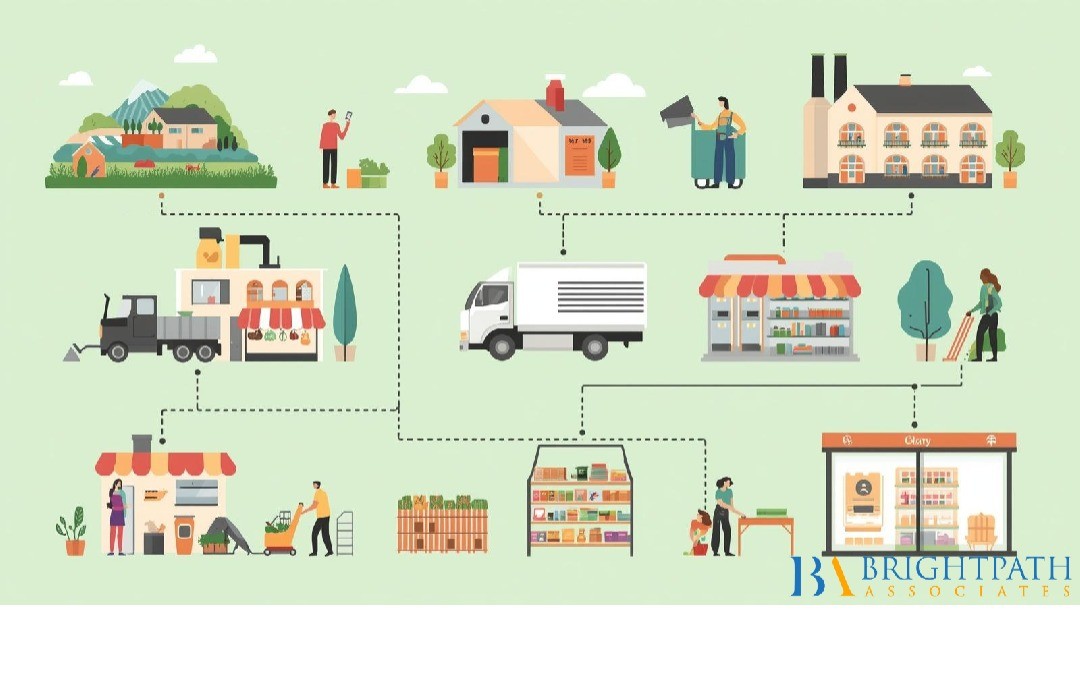
The #FoodSupplyChain, an intricate network responsible for bringing food from farms to tables worldwide, plays a pivotal role in global economies and the sustenance of human life. This complex network is not only vital for providing nourishment but also supports millions of jobs and livelihoods across different sectors. Given the ever-increasing global population, which is projected to reach nearly 10 billion by 2050, alongside environmental fluctuations and the ongoing challenges posed by climate change, addressing the challenges in food production and distribution has never been more significant. These challenges extend from the complexities of global supply chains to the integration of advanced technologies designed to improve efficiency and sustainability. Thus, it becomes imperative for industry leaders and stakeholders to develop strategic solutions that can both sustain and enhance food production, ensuring that it meets the demands of a growing populace while being mindful of environmental stewardship.
Current Challenges in Food Supply Chains
Complexity and Globalization
In an era of globalization, food supply chains have expanded across continents, allowing for a diverse range of products to be accessible worldwide, from exotic fruits to specialty grains. However, this interconnectedness also introduces a level of complexity that can pose unforeseen challenges. International trade policies, tariffs, and logistics profoundly influence the food production supply chain, often causing bottlenecks and inefficiencies that can ripple through the entire network. Issues such as fluctuating shipping costs and the imposition of new trade regulations can lead to delays and increased expenses, ultimately impacting consumer prices. Navigating through such a multifaceted global network requires a robust understanding of international regulations, nuanced market dynamics, and efficient logistical planning. Companies must also address the challenges that arise from different cultural practices and food safety standards across various regions to ensure that operations are both effective and compliant.
Technological Advancements
The integration of technology in #FoodProduction promises significant improvements in supply chain efficiency, but it also presents new challenges that companies need to overcome. The rapid pace of technological advancements, such as the Internet of Things (IoT), big data analytics, and artificial intelligence, often results in integration challenges that can disrupt current practices. To remain competitive, companies must align themselves with these innovative solutions, investing in advanced food production processing equipment that optimizes operations and streamlines production workflows. Training personnel to utilize these technologies effectively is equally important. Despite these integration challenges, the influence of technology cannot be ignored; it continues to drive efficiency in the food production supply chain, paving the way for advancements in production management practices that can enhance overall performance and effectiveness.
Climate Change and Environmental Concerns
Climate change poses one of the most pressing threats to the global food supply chain, necessitating urgent and innovative responses from all stakeholders involved. The environmental impacts on food production growth strategies are becoming increasingly evident, with increasingly unpredictable weather patterns affecting crop yields, agricultural practices, and food safety certification processes. The occurrences of droughts, floods, and other extreme weather events can severely disrupt food supply chains, leading to severe shortages in certain regions and increased prices. Sustainable practices are therefore not just an option but a necessity, providing a pathway to ensure long-term food security while achieving environmental and food safety certifications. This includes adopting regenerative agricultural practices, investing in climate-resilient crops, and employing technologies designed to mitigate waste and improve resource management.
Solutions to Overcome Challenges
Advanced Technology Implementation
The role of technology in improving food production management is crucial and multifaceted. Technology facilitates more accurate forecasting, enhances #SupplyChain transparency, and introduces cutting-edge food production processing equipment that elevates operational efficiency. By adopting innovative technologies, such as IoT devices and blockchain for traceability, companies can significantly improve supply chain efficiency and reduce waste, ensuring that food products are tracked from farm to fork with precise accountability. Furthermore, implementing machine learning algorithms can streamline demand planning and inventory management, providing businesses with the agility to respond swiftly to market changes. This integration of technology also allows for better data-driven decision-making, helping firms reduce operational risks associated with unpredictability in supply and demand patterns.
Strategic Business Models
In response to dynamic industrial trends in food production, businesses must adopt new strategies to stay competitive and responsive to market needs. Innovative business models focusing on collaboration and strategic partnerships can navigate these challenges effectively. By working closely with suppliers, distributors, and even competitors, companies can share vital information, resources, and best practices that bolster resilience against supply chain disruptions. Engaging with food production consultants offers valuable insights and tailored strategies that help businesses adapt to changing market conditions and consumer preferences, ensuring sustained growth and enhanced competitiveness in an increasingly crowded marketplace.
Importance of Human Resource Management
Leadership in the Food Supply Chain
#ExecutiveSearchRecruitment emerges as a crucial tool to bridge leadership gaps within the food supply chain. The strategic evolution of recruitment practices from 2023 to 2025 emphasizes the importance of identifying leaders who can drive change and innovation within their organizations. The food industry has become increasingly complex, so companies must employ effective executive search recruitment strategies to attract leaders who not only possess the vision but also the technical expertise necessary for navigating the intricate web of supply chain dynamics. Furthermore, fostering diversity within leadership roles can enhance creativity and problem-solving capabilities, enabling organizations to address challenges from multiple perspectives.
Training and Development
Maintaining food production safety certification requires skilled personnel who not only understand the intricacies of sustainable practices but are also well-versed in emerging technologies and industry standards. Comprehensive training programs serve as a vital tool for fostering innovation in food production, ensuring that employees possess the necessary skills to uphold high standards of food safety and efficiency within the supply chain. Continuous professional development can lead to improved employee retention and morale, with well-trained staff feeling more valued and capable in their roles. Additionally, mentoring and peer support systems can encourage a culture of knowledge sharing, contributing to an adaptive and resilient workforce.
Case Studies and Examples
Success Stories in Overcoming Supply Chain Challenges
Numerous companies have succeeded in implementing effective food production growth strategies that enhance their supply chain resilience. Strong logistics partnerships and collaborations with local producers, for instance, play a critical role in these successes, ensuring efficient transportation and minimizing disruptions. These case studies underscore the importance of strategic collaborations in optimizing supply chain operations, showcasing how diverse partnerships can lead to innovative solutions that bolster overall efficiency. By examining these success stories, businesses can identify best practices and actionable strategies that can be adapted and tailored to their unique operational contexts, ultimately supporting their long-term sustainability and success in a competitive market.
Conclusion
In summary, the food supply chain faces significant challenges ranging from globalization complexities to #TechnologicalIntegration and environmental concerns. Addressing these challenges requires a multifaceted approach involving advanced technology implementation, strategic business models, and robust human resource management. As C-suite executives and founders of small to mid-sized food production companies look to the future, prioritizing strategic business strategies will be vital in ensuring the supply chain’s resilience and efficiency. By embracing innovation, fostering collaboration, and committing to sustainable practices, industry stakeholders can not only navigate the current complexities but also lay the groundwork for a more secure and efficient food system for generations to come.
References
The analysis provided here reflects a comprehensive examination of industry statistics and trends, showcasing the strategic evolution in recruitment practices essential for addressing leadership gaps from 2023 to 2025. Accurate data-backed insights, practical examples, and case studies further emphasize the urgency of implementing effective supply chain and executive recruitment strategies, highlighting the need for continuous adaptation and learning within the ultra-competitive food industry landscape.
Find your next leadership role in Food Production Industry today!
Stay informed with the latest insights on Food Production Industry!