
Introduction
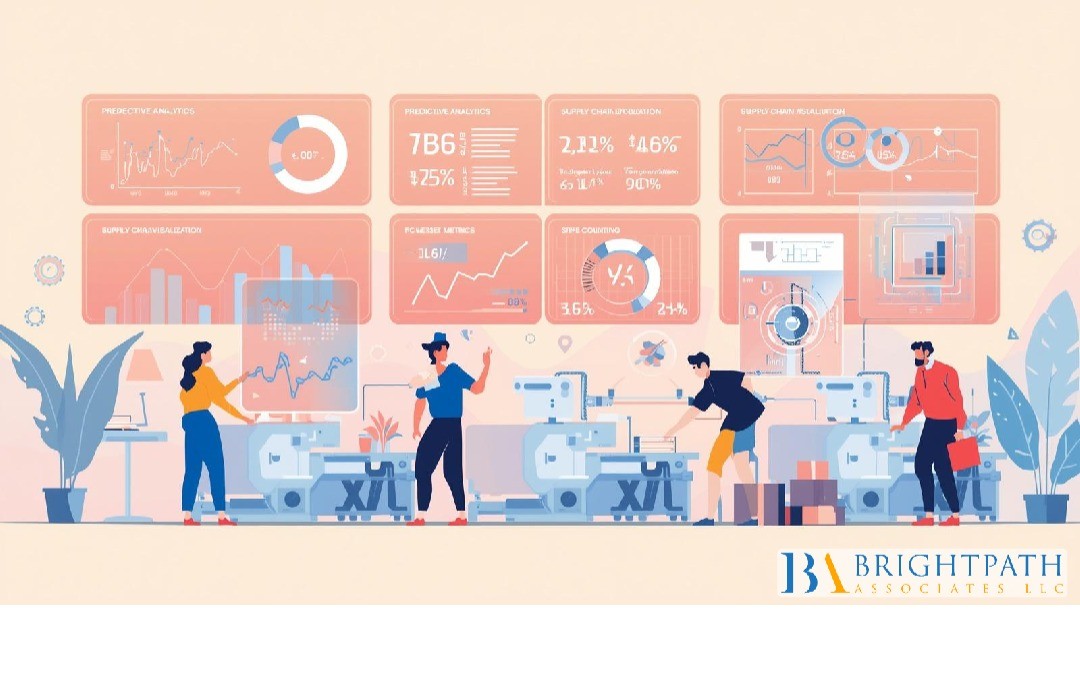
In today’s rapidly evolving global market, the #TextileIndustry stands at the precipice of a transformative era. With the integration of data analytics, textile businesses are unlocking unprecedented opportunities to enhance efficiency, sustainability, and profitability. This comprehensive exploration of data-driven decisions in the textile industry delves into critical areas such as the textile supply chain, advanced manufacturing technologies, executive leadership, strategic planning, and more.
The Textile Supply Chain: A Data-Driven Revolution
The textile supply chain is a complex network that requires meticulous coordination and management. Through data analytics, companies can gain insights into every stage of the supply chain, from raw material procurement to distribution. This data-driven approach enables businesses to optimize inventory levels, reduce waste, and improve delivery times. Advanced analytics also allow for predictive modeling, helping companies anticipate demand fluctuations and respond proactively.
Advanced Textile Manufacturing Technologies
The integration of advanced #TextileManufacturingTechnologies is reshaping the industry. These technologies, combined with data analytics, facilitate the creation of smart factories where real-time data is used to monitor and control production processes. By analyzing machine performance data, manufacturers can predict maintenance needs, thus reducing downtime and enhancing productivity. Additionally, data analytics aid in quality control, ensuring that products meet stringent standards.
Executive Leadership in Textiles: Guiding Through Data
Executive leadership in the textile industry plays a pivotal role in fostering a data-driven culture. Leaders must champion the integration of analytics into decision-making processes, ensuring that data becomes an integral part of the organizational fabric. By leveraging data analytics, executives can make informed decisions that align with the company’s strategic goals. This approach not only optimizes operations but also enhances competitiveness in a dynamic market.
Textile Business Strategic Planning
#StrategicPlanning in the textile industry is becoming increasingly reliant on data analytics. By analyzing market trends, consumer preferences, and competitor activities, businesses can craft strategies that are both proactive and reactive. Data-driven strategic planning enables companies to identify new growth opportunities, optimize resource allocation, and mitigate risks. This analytical approach ensures that textile businesses remain agile and responsive to market changes.
Textile Industry Investment Trends
Investment trends in the textile industry are being shaped by data analytics. Investors are now looking at data-driven insights to guide their decisions, focusing on companies that leverage analytics to drive innovation and efficiency. This trend is encouraging businesses to invest in data infrastructure and analytics capabilities. Such investments not only attract funding but also position companies as leaders in a competitive market.
Textile Industry Data Analytics: Transformative Impacts
The impact of data analytics on the textile industry is transformative. From enhancing supply chain efficiency to improving customer experiences, data analytics is redefining how textile #BusinessesOperate. By harnessing big data, companies can gain a deeper understanding of market dynamics and consumer behaviors. This insight allows for more targeted marketing strategies and product offerings, boosting customer satisfaction and loyalty.
Textile Industry Blockchain Applications
Blockchain technology is emerging as a powerful tool in the textile industry, particularly when combined with data analytics. Blockchain provides a transparent and immutable ledger of transactions, enhancing traceability and accountability in the supply chain. When integrated with data analytics, blockchain enables businesses to verify the authenticity of materials, monitor sustainability practices, and ensure compliance with industry standards. This combination is instrumental in building trust with consumers and stakeholders.
Global Textile Industry Geopolitical Risks
#GeopoliticalRisks pose significant challenges to the global textile industry. Data analytics offers a means to navigate these risks by providing insights into political and economic developments that could impact operations. By analyzing geopolitical data, textile companies can anticipate disruptions, develop contingency plans, and make informed decisions to safeguard their interests. This proactive approach helps mitigate the impact of geopolitical uncertainties on business continuity.
Cognitive Automation in Textile Logistics
Cognitive automation is revolutionizing textile logistics by automating routine tasks and enhancing decision-making processes. Through data analytics, cognitive automation systems can process vast amounts of information to optimize logistics operations, from route planning to inventory management. This technology reduces operational costs, improves delivery efficiency, and enhances overall supply chain performance. The integration of cognitive automation with data analytics is paving the way for smarter, more agile logistics solutions.
Textile Industry Closed-Loop Systems
Closed-loop systems are gaining traction in the textile industry as businesses strive for sustainability. Data analytics plays a crucial role in these systems by tracking product lifecycles and facilitating the recycling and reuse of materials. This approach not only reduces waste but also conserves resources, aligning with the growing demand for eco-friendly practices. By leveraging data, textile companies can implement closed-loop systems that are both economically viable and +
Executive Search Recruitment in the Textile Industry
The demand for data-savvy executives in the textile industry is on the rise. #ExecutiveSearchRecruitment now places a premium on candidates with expertise in data analytics and digital transformation. These leaders are essential for driving innovation and steering companies toward data-driven decision-making. By identifying and recruiting top talent, textile businesses can ensure they have the leadership required to navigate the complexities of the modern market.
In conclusion, the textile industry is undergoing a profound transformation driven by data analytics. This shift is enabling businesses to enhance efficiency, sustainability, and competitiveness. By embracing data-driven strategies, companies can navigate the challenges of the global market and capitalize on new opportunities. As the industry continues to evolve, the integration of analytics will remain a cornerstone of success, shaping the future of textiles for years to come.
Find your next leadership role in Textile Industry today!