
Introduction
In an era where #DigitalTransformation is reshaping industries, the environmental sector is no exception. Environmental monitoring networks have become indispensable, providing crucial data for air pollution control, water treatment, and other environmental services. However, the integration of digital technologies and networked systems has introduced a new set of challenges, particularly cybersecurity risks. These risks can have significant implications on environmental sustainability and the broader environmental industry. This comprehensive exploration delves into the cybersecurity threats facing environmental monitoring networks and the steps being taken to mitigate these risks.
The Rise of Environmental Monitoring Networks
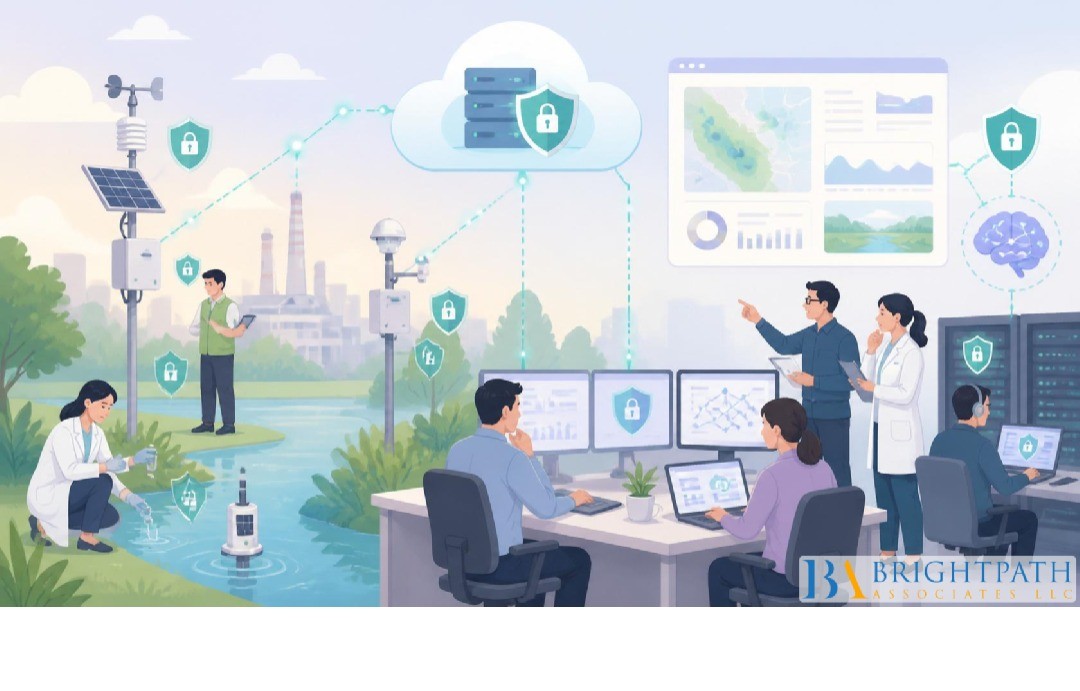
Environmental monitoring networks are systems designed to collect and analyze data on various environmental parameters. These networks are pivotal for ensuring environmental compliance, supporting environmental innovation, and advancing clean technology. By monitoring air quality, water quality, and other environmental factors, they enable policymakers, scientists, and environmental executives to make informed decisions that foster environmental sustainability.
In recent years, there has been a surge in the deployment of these networks, driven by the pressing need to address environmental challenges such as climate change, pollution, and resource depletion. The advent of green technology and advances in environmental innovation have facilitated the development of sophisticated monitoring systems that can operate in real-time, providing data that is both accurate and actionable.
Cybersecurity Risks and Challenges
The integration of digital technologies into environmental monitoring networks has introduced a range of cybersecurity risks. These risks can compromise the integrity, availability, and confidentiality of the data collected and analyzed. As the environmental industry becomes increasingly reliant on digital technologies, understanding these risks is crucial.
One of the most significant cybersecurity risks is the potential for data breaches and unauthorized access. Environmental monitoring networks often collect sensitive data that, if accessed by unauthorized individuals, could have harmful consequences. For instance, the manipulation of air pollution control data could lead to incorrect assessments and inadequate responses, potentially endangering public health and environmental sustainability.
#EnvironmentalMonitoring networks are often composed of various interconnected devices and sensors. These systems can have vulnerabilities that, if exploited, could disrupt operations. Hackers may target these vulnerabilities to gain control of the network, manipulate data, or cause system failures. The complexity of these networks makes it challenging to identify and address all potential vulnerabilities, increasing the risk of exploitation.
Denial of Service (DoS) attacks pose a significant threat to environmental monitoring networks. These attacks aim to render a service or network unavailable by overwhelming it with traffic. In the context of environmental monitoring, a successful DoS attack could prevent the collection and dissemination of critical environmental data, hindering efforts towards environmental compliance and sustainability.
While external threats often receive more attention, insider threats can be equally damaging. Employees or contractors with access to environmental monitoring networks may intentionally or unintentionally compromise security. Insider threats can result from inadequate training, malicious intent, or negligence, and they underscore the importance of robust security protocols and employee education.
Mitigating Cybersecurity Risks
Addressing cybersecurity risks in environmental monitoring networks requires a multifaceted approach that involves technology, policy, and people. As the environmental industry continues to evolve, proactive measures are essential to safeguard these vital networks.
Organizations must implement comprehensive security protocols that address the specific needs of environmental monitoring networks. This includes ensuring that all devices and sensors have up-to-date security patches, utilizing encryption to protect data during transmission, and employing intrusion detection systems to identify and respond to potential threats in real-time.
Regular security audits are critical for identifying vulnerabilities and assessing the effectiveness of existing security measures. These audits can help organizations stay ahead of potential threats by providing insights into areas that require improvement. By conducting thorough audits, environmental executives can ensure that their networks remain secure and resilient.
As insider threats can pose a significant risk, it is essential to educate and train personnel on cybersecurity best practices. Employees should be aware of the importance of data security and the potential consequences of breaches. Training programs can empower staff to recognize and respond to potential threats, reducing the risk of human error and negligence.
Given the complexity of cybersecurity, collaboration with experts in the field is invaluable. Environmental #ExecutiveSearchRecruitment can play a crucial role in identifying and hiring individuals with the necessary expertise to manage and secure environmental monitoring networks. By leveraging the knowledge of cybersecurity professionals, organizations can enhance their defenses against potential threats.
The Role of Environmental Innovation and Clean Technology
Environmental innovation and clean technology are at the forefront of efforts to enhance the security of environmental monitoring networks. Innovations in sensor technology, data analytics, and network security are helping to create more resilient systems that can better withstand cyber threats.
Modern sensors are equipped with advanced security features that can detect and respond to potential threats. These sensors are designed to operate autonomously, reducing the risk of human error and enhancing the overall security of monitoring networks. By incorporating cutting-edge technology, environmental monitoring systems can achieve greater accuracy and reliability.
Data analytics plays a vital role in identifying patterns and anomalies that may indicate a cybersecurity threat. By leveraging advanced analytics tools, organizations can monitor network activity and detect potential breaches before they cause significant harm. This proactive approach enables environmental executives to maintain the integrity of their data and ensure environmental compliance.
Environmental innovation has led to the development of sophisticated network security solutions that protect monitoring networks from cyber threats. These solutions include firewalls, intrusion detection systems, and encryption technologies that safeguard data and ensure secure communications. By investing in these technologies, organizations can bolster their cybersecurity defenses and protect their critical infrastructure.
Conclusion
As environmental monitoring networks become increasingly integral to the environmental industry, the importance of addressing cybersecurity risks cannot be overstated. The threats posed by data breaches, system vulnerabilities, DoS attacks, and insider threats highlight the need for comprehensive security measures. By implementing robust security protocols, conducting regular audits, educating personnel, and collaborating with experts, organizations can mitigate these risks and ensure the continued effectiveness of their monitoring networks.
#EnvironmentalInnovation and clean technology offer promising solutions to enhance the security and resilience of environmental monitoring systems. As the environmental industry moves forward, embracing these innovations will be crucial for safeguarding the networks that underpin efforts towards environmental sustainability, compliance, and executive decision-making. Through concerted efforts and a commitment to cybersecurity, the environmental sector can continue to thrive in the digital age.
Find your next leadership role in Environmental Services Industry today!
Stay informed with the latest insights on Environmental Services Industry!