
Introduction
In an era where technology is reshaping every sector, #AgriculturalTechnology stands at the forefront of innovation. From precision agriculture to digital farming, technology has introduced a new wave of efficiency, sustainability, and productivity in food production. However, as these advancements continue to transform the industry, they also bring forth challenges, particularly in the realm of cybersecurity. Protecting proprietary data assets has become critical for sustainable farming and the broader goal of agricultural sustainability. This article delves into the importance of cyber-hygiene in the ag-tech sector and offers insights into safeguarding valuable data assets.
The Rise of Agricultural Technology
Agricultural technology, or ag-tech, is revolutionizing the way food is produced. Innovations such as farm management software, precision agriculture tools, and digital farming platforms have enabled farmers to optimize resource use, increase yields, and reduce environmental impact. These technologies play a vital role in sustainable farming and are crucial for meeting the growing global demand for food. However, the increasing reliance on digital tools and data also heightens the risk of cyber threats, making robust cybersecurity measures indispensable.
Cybersecurity Challenges in Ag-Tech
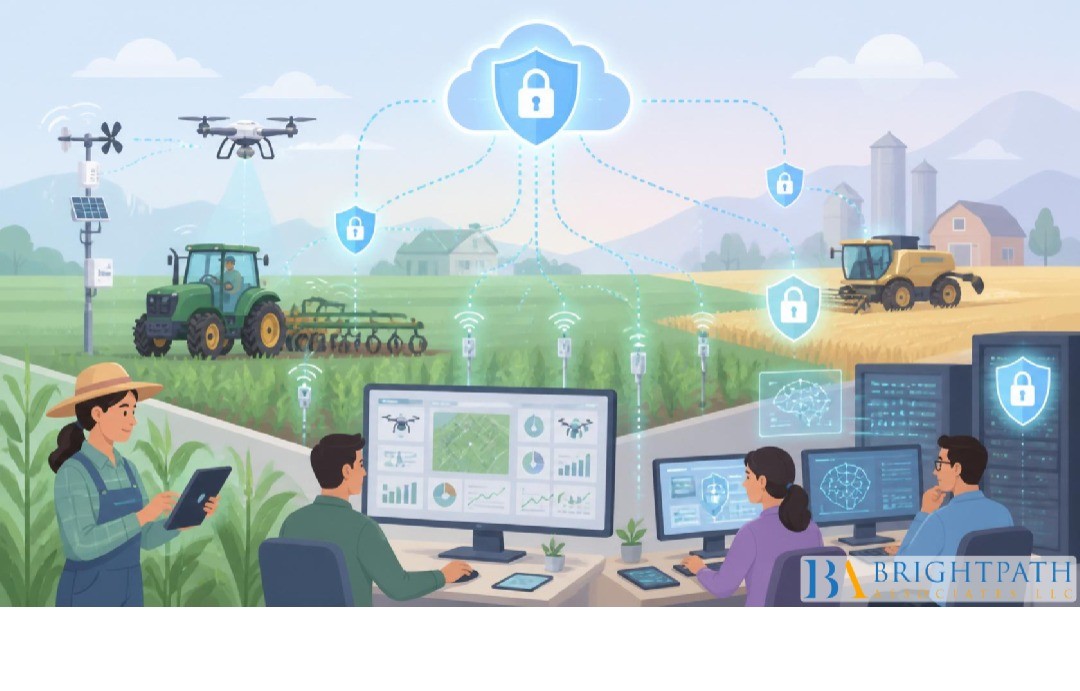
The ag-tech sector faces unique cybersecurity challenges due to its reliance on interconnected devices and systems. Precision agriculture, for example, utilizes sensors, satellite imagery, and #AutomatedMachinery to enhance productivity. While these technologies offer significant benefits, they also create potential vulnerabilities that cybercriminals can exploit. Unauthorized access to farm management software can lead to data breaches, compromising sensitive information related to farming practices and strategies. Such incidents can result in financial losses, reputational damage, and even the disruption of food production.
The Importance of Cyber-Hygiene
Cyber-hygiene refers to the practices and precautions that individuals and organizations take to maintain system health and improve online security. For the ag-tech industry, this involves implementing measures to protect against cyber threats and safeguard proprietary data assets. Effective cyber-hygiene practices are essential for ensuring the integrity and confidentiality of data, which is crucial for maintaining a competitive edge and fostering agricultural innovation.
Implementing Effective Cyber-Hygiene Practices
Keeping software up to date is a fundamental aspect of cybersecurity. Regular updates and patches help fix vulnerabilities and protect systems from emerging threats. Ag-tech companies should ensure all digital farming tools and farm management software are updated promptly. Implementing strong authentication methods, such as multi-factor authentication, can significantly reduce the risk of unauthorized access. This is particularly important for systems that manage sensitive data related to food production and sustainable agriculture investment. Encrypting data both at rest and in transit adds an additional layer of security. Proper encryption ensures that even if data is intercepted, it cannot be easily accessed or used by cybercriminals. Human error remains a significant factor in cybersecurity breaches. Training employees on cyber-hygiene best practices and creating awareness about potential threats can help prevent accidental data leaks and ensure a secure working environment. Conducting regular security audits helps identify vulnerabilities and assess the effectiveness of existing security measures. These audits are crucial for maintaining a robust cybersecurity posture and ensuring the ongoing protection of proprietary #DataAssets.
The Role of Executive Search Recruitment in Cybersecurity
#ExecutiveSearchRecruitment plays a pivotal role in strengthening cybersecurity in the ag-tech sector. By identifying and hiring skilled cybersecurity professionals, companies can enhance their ability to protect proprietary data assets and respond effectively to threats. These professionals bring specialized knowledge and experience that are essential for developing and implementing robust cybersecurity strategies.
As agricultural innovation continues to advance, the integration of cutting-edge technologies must be accompanied by equally sophisticated cybersecurity measures. The development of new tools and techniques in precision agriculture, organic farming, and sustainable agriculture investment necessitates a proactive approach to cybersecurity. By prioritizing cyber-hygiene, the ag-tech industry can safeguard its innovations and contribute to the broader goal of agricultural sustainability.
Conclusion
In conclusion, the continued growth and success of agricultural technology depend on the industry’s ability to protect its proprietary data assets. With the increasing reliance on digital tools and systems, effective cyber-hygiene practices are essential for ensuring the security and integrity of valuable information. By implementing robust cybersecurity measures, ag-tech companies can foster innovation, enhance food production, and promote sustainable farming practices. In this rapidly evolving landscape, safeguarding data is not just a necessity but a strategic imperative that will shape the future of agriculture.
Find your next leadership role in Farming Industry today!