
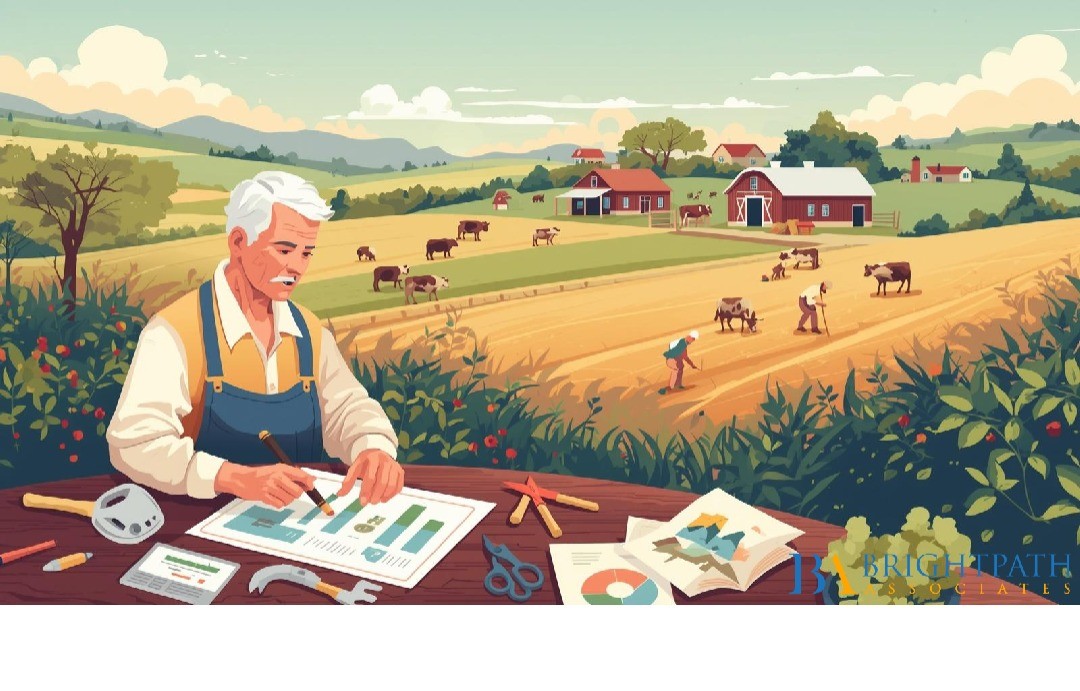
Succession planning is a pivotal component for ensuring continuity and #SustainableManagement in family-owned farms. As farms transition from one generation to the next, a meticulously planned succession process becomes critical to maintaining operational stability, embracing modern agricultural innovations, and addressing emerging industry trends. This process not only secures the financial future of the farm but also preserves the values and traditions that have been ingrained in the family operation for years, contributing significantly to the agricultural heritage of the community.
Understanding the Importance of Farm Succession Planning
The era of traditional farming has been reshaped by the introduction of advanced agricultural technologies, which plays an essential role in farm succession planning. Effective succession planning not only involves passing down assets but also involves transferring the knowledge of sustainable farming practices, organic farming techniques, and leveraging agricultural technology, such as precision agriculture and farm management software, to the next generation of farm managers. This knowledge transfer is crucial because it ensures that the new generation is well-equipped to make informed decisions that align with both contemporary practices and environmental stewardship.
Challenges faced by farm-owning families often include determining the readiness of successors, managing family dynamics, and adapting to new market demands in food production. The emotional and relational complexities can add layers of difficulty to the process, especially when family members hold differing visions for the farm’s future. These factors underline the urgency of a well-structured plan to ensure the longevity of farming operations, safeguarding both the family legacy and economic viability against unforeseen circumstances such as market fluctuations, climate change, and evolving consumer preferences.
Strategies for Effective Succession Planning
- Early Planning and Communication: #OpenCommunication within the family about succession intentions and plans creates transparency and allows all members to understand their roles and responsibilities in the transition process. This fosters collaboration and mitigates future familial conflicts that may arise due to misunderstandings or assumptions. Regular family meetings to discuss succession planning can help bridge generational divides relative to expectations and aspirations, allowing everyone to feel heard and valued.
- Professional Advisory Involvement: Engaging legal, financial, and agricultural advisors is vital. These professionals offer expert guidance on legal frameworks, family asset protection, and the strategic implementation of digital agriculture technology, thus promoting seamless generational shifts. Advisors can provide an unbiased perspective and expertise that is invaluable in navigating complex family issues. They can also assist with creating a governance structure that clearly delineates roles and responsibilities, which is essential in ensuring that the operational and decision-making processes remain smooth during transitions.
Industry Trends Impacting Farm Succession Planning
The agricultural sector has experienced significant evolution with increased reliance on digital agriculture technology. These advancements are influencing succession planning, as younger generations within farming families are more adept with technological tools, such as digital farming platforms and farm management software. Embracing these tools can be a decisive factor in modernizing operations and ensuring that farms remain competitive and sustainable. As new technologies emerge, it becomes imperative for succession plans to incorporate training for successors not just in operating equipment, but in the analytical aspects of farming, such as data interpretation and resource management.
Moreover, trends towards organic farming, sustainability initiatives, and climate-smart agriculture play essential roles in shaping how future generations may approach farm management. By integrating these trends into the succession planning process, families can create an agricultural enterprise that resonates with the values of consumers who are increasingly mindful of how their food is produced.
Current Market Analysis and Future Trends
#AgriculturalInnovation is continuously shaping the food production market. Sustainable farming techniques and precision agriculture are crucial for enhancing productivity and optimizing resources. An ongoing analysis of market trends demonstrates that these practices not only improve sustainability but also provide a competitive edge. Farms that are proactive in adopting sustainable practices not only appeal to environmentally conscious consumers but often benefit from various government incentives aimed at reducing carbon footprints and promoting ecological practices.
The transition to digital agriculture technology enhances farm management planning, enabling data-driven decisions that are crucial for future-ready farming. These elements of technological integration must be considered in farm succession planning to align with industry growth. For instance, investing in sensor technology or automation can significantly raise productivity while also attracting tech-savvy successors eager to engage in smarter agricultural practices.
Addressing Leadership Talent Shortages
The agricultural industry faces a leadership talent shortage, primarily driven by an aging farmer population and a gap in trained successors. This challenge has far-reaching implications for the overall growth and sustainability of the sector. #ExecutiveSearchRecruitment services have become an indispensable asset, aiding in identifying and training capable leaders to fill these vacuums. The integration of talent from diverse backgrounds can offer new perspectives and innovations in farm management. Moreover, these specialized services help establish mentorship programs that can bridge the knowledge gap, providing the necessary training and support for newer entrants into the agricultural workforce.
The Evolution of Recruitment Practices
From 2023 to 2025, #RecruitmentPractices in agriculture have adapted to meet shifting role expectations. With the sector’s technical evolution, hiring strategies now emphasize candidates who demonstrate a strong grasp of agricultural sustainability and digital agriculture technology. Case studies reveal the strategic importance of aligning recruitment solutions with succession plans to harness the full potential of agricultural innovations. This shift necessitates that recruitment firms develop new methodologies that are more attuned to the expectations of modern agricultural enterprises, thus ensuring that the incoming leadership is equipped with contemporary skills alongside traditional farming knowledge.
Integrating Executive Recruitment into Farm Succession Plans
Executive recruitment is positioned as a key strategy to fill leadership roles effectively. Leveraging external recruitment firms ensures that farming businesses gain access to a broad pool of candidates equipped with the necessary skills to drive forward-thinking succession plans. This approach not only facilitates the transition but also infuses fresh ideas and innovations that can propel the farm into its next phase of development. Additionally, proper onboarding procedures supported by training programs can facilitate the transition period, ensuring the new leaders are well-integrated into the farm’s culture and operational practices.
Farm management software is instrumental in this process, offering tools to streamline operations and bridging gaps between outgoing and incoming leadership. The software can also provide a historical perspective on the farm’s performance, which is essential for making informed decisions that uphold the long-term vision established through succession planning.
Conclusion
Farm succession planning is a crucial element in cultivating a sustainable agricultural legacy. By integrating modern technologies and recruitment strategies, farm owners can ensure a smooth transition of leadership while adapting to industry changes. Through proactive planning and the support of executive recruitment services, farms can secure a resilient future aligned with the progressiveness of digital agriculture technology and sustainable farming practices. The foresight exhibited in implementing these strategies not only protects the family legacy but also positions the farm as a significant player in the ever-evolving agricultural landscape.
This #ComprehensiveStrategy sets the stage for a seamless transition, preserving the farm’s legacy while embracing the innovations that continue to redefine the agricultural landscape, ultimately contributing to a robust and resilient food system that meets both current and future demands.
Find your next leadership role in Farming Industry today!