
Introduction
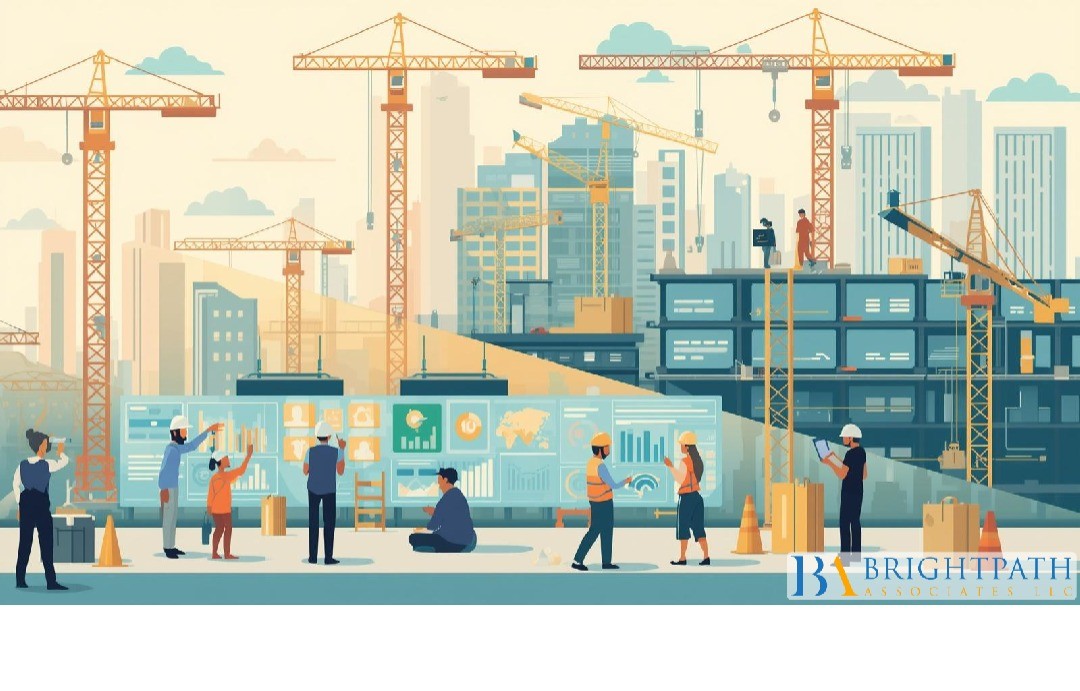
The #ConstructionMarket is a vital sector of the global economy, contributing significantly to economic development and job creation. This dynamic industry is continuously evolving, driven by various trends and opportunities for growth. Understanding these trends is essential for stakeholders to navigate the complexities of this sector, optimize their strategies, and capitalize on emerging opportunities.
Evolving Construction Materials and Building Supplies
Construction materials and building supplies form the backbone of any construction project. The demand for innovative materials and advanced building supplies is surging as the industry seeks to improve efficiency, reduce costs, and enhance the quality of construction. The shift towards prefabrication and modular construction is a notable trend, driven by the need for quicker, cost-effective building methods. This approach reduces waste and accelerates the construction timeline, offering a sustainable solution to meet growing urbanization demands.
Sustainable Construction: A Pathway to the Future
#SustainableConstruction is not just a trend but a necessity in today’s environmentally conscious world. Companies are increasingly adopting green building practices, focusing on reducing carbon footprints and enhancing energy efficiency. The use of sustainable construction materials, such as recycled steel and cross-laminated timber, is gaining traction. These materials offer environmental benefits while maintaining structural integrity and aesthetic appeal. Additionally, sustainable construction practices are being supported by government incentives and regulations, promoting wider adoption across the industry.
Advancements in Building Technology
Building technology is revolutionizing the construction industry, driving efficiency, precision, and safety. The integration of cutting-edge technologies like Building Information Modeling (BIM), drones, and 3D printing is reshaping project planning and execution. BIM allows for detailed digital representations of physical structures, facilitating better design, collaboration, and management. Drones provide aerial insights, enhancing site surveys and monitoring, while 3D printing offers innovative solutions for creating complex components with minimal waste. These technological advancements are not only improving project outcomes but also attracting a tech-savvy workforce, contributing to the industry’s growth.
Innovations in Concrete Production
#ConcreteProduction is undergoing significant transformations, with sustainability and efficiency at the forefront. Innovations in concrete mixtures, such as the incorporation of supplementary cementitious materials, are reducing carbon emissions and improving performance. The development of self-healing concrete, which can autonomously repair cracks, is another exciting advancement. These innovations address critical environmental concerns and offer long-term durability, positioning concrete as a sustainable construction material for the future.
The Resilient Lumber Industry
The lumber industry remains a crucial component of the construction market despite facing challenges such as supply chain disruptions and environmental concerns. Sustainable forestry practices and the use of engineered wood products are mitigating these challenges while promoting eco-friendly construction. Engineered wood products, such as laminated veneer lumber and glulam, offer strength, versatility, and lower environmental impact, making them increasingly popular in modern construction projects. The industry’s focus on sustainability aligns with broader market trends, ensuring continued relevance and growth.
Navigating Building Regulations
#BuildingRegulations play a critical role in shaping the construction landscape, ensuring safety, quality, and sustainability. As regulations become more stringent, construction companies must adapt to comply with new standards. This adaptation requires investments in training, technology, and materials to meet evolving regulatory requirements. The push for energy-efficient buildings, fire safety standards, and accessibility features are some areas where regulations are influencing construction practices. Staying abreast of regulatory changes is essential for companies to maintain competitiveness and avoid costly penalties.
Understanding Construction Economics
The economics of construction is a complex interplay of various factors, including labor costs, material prices, and market demand. Economic trends significantly impact the construction industry, influencing project viability and profitability. The sector is sensitive to interest rates, inflation, and economic cycles, requiring stakeholders to adopt adaptive strategies. Understanding construction economics helps companies make informed decisions, optimize resource allocation, and manage risks effectively. This understanding is crucial for sustaining growth in a competitive market.
Embracing Material Recycling
#MaterialRecycling is an integral part of sustainable construction, reducing waste and conserving natural resources. The construction industry is increasingly embracing recycling practices, repurposing materials such as concrete, steel, and glass. These practices not only contribute to environmental conservation but also offer cost savings and efficiency improvements. The development of sophisticated recycling technologies and processes is facilitating the integration of recycled materials into new construction projects, aligning with global sustainability goals and enhancing the industry’s green credentials.
The Role of Construction Jobs in Economic Growth
Construction jobs are pivotal in driving economic growth, providing employment opportunities across various skill levels. The industry’s demand for skilled labor is intensifying with the rise of new construction technologies and sustainable practices. This demand is fostering job creation and skill development, contributing to economic stability and community development. However, the sector faces challenges in attracting and retaining talent, necessitating strategic initiatives to address labor shortages and enhance workforce capabilities. Investment in education, training, and recruitment is essential to meet the industry’s evolving needs and support sustainable growth.
Executive Search Recruitment: Finding the Right Talent
#ExecutiveSearchRecruitment is crucial for identifying and attracting top talent in the construction industry. As the sector becomes more complex and technologically advanced, the need for skilled leadership and specialized expertise is paramount. Executive search firms play a vital role in connecting companies with professionals who possess the necessary skills and experience to drive innovation and success. These firms leverage their networks and industry insights to match the right candidates with the right opportunities, ensuring that companies can navigate challenges and seize growth prospects effectively.
In conclusion, the construction market is poised for continued growth, driven by trends such as sustainable construction, technological advancements, and innovative materials. The industry’s ability to adapt to regulatory changes, embrace recycling, and invest in workforce development will determine its future trajectory. By understanding and leveraging these trends, stakeholders can position themselves for success in a rapidly evolving market.
Find your next leadership role in Building Materials Industry today!
Stay informed with the latest insights on Building Materials Industry!