
Introduction
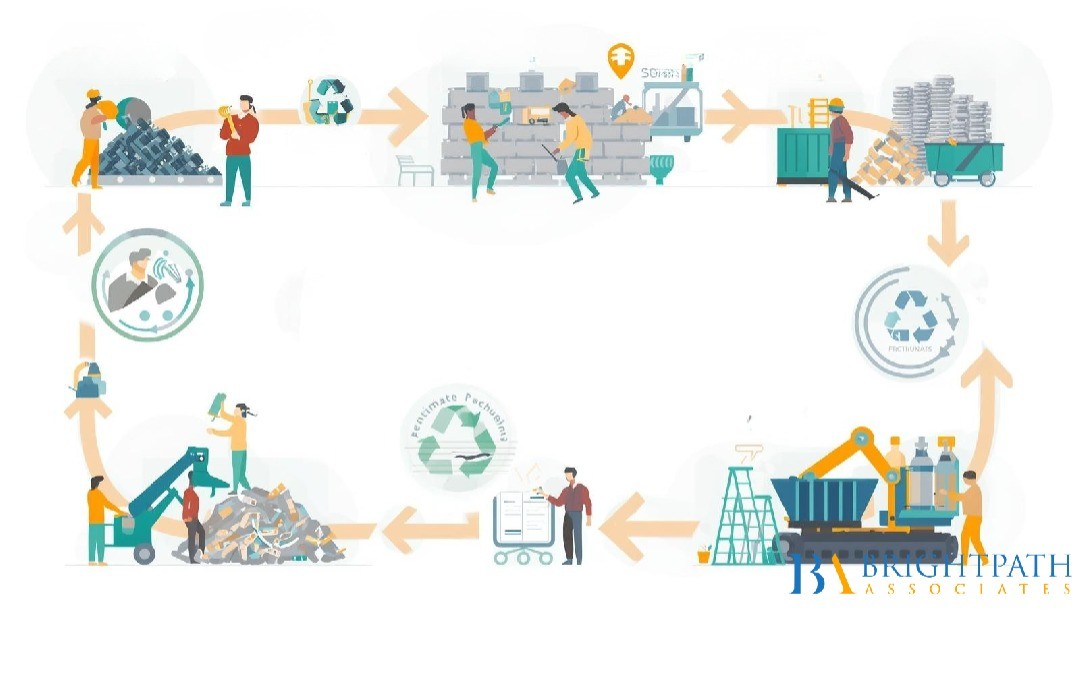
In the ever-evolving world of the #MetalsIndustry, recycling stands out as a beacon of sustainability and efficiency. With increasing environmental awareness and resource scarcity, metal recycling has surged in importance. It serves not just as an ecological solution but also as a business imperative for industries reliant on metal resources. As global populations grow and urbanization accelerates, the pressure on our planet’s raw materials is mounting. The call for sustainable solutions echoes more strongly than ever, as companies across the globe strive for eco-friendly practices. This trend is particularly significant for C-suite executives and founders of small to mid-sized companies within the metals industry, who now face the dual challenge of keeping up with industry demands while also contributing to environmental conservation. As stakeholders and consumers increasingly hold businesses accountable for their environmental impact, the push for accountability in sustainability practices becomes all the more pressing.
The Evolving Landscape of Metal Recycling
Technological advancements are continually reshaping the landscape of metal recycling. The adoption of AI-driven technologies, blockchain, drones, and LiDAR sensors is revolutionizing how metals are processed and recycled. These advancements enhance precision in sorting materials, tracking, and improving efficiency throughout the recycling journey. Automated sorting systems, guided by machine learning algorithms, now allow for the rapid identification of various metal types and grades, significantly reducing contamination rates and boosting overall recycling effectiveness. Innovative recovery methods such as bioleaching—where bacteria are used to extract metals from ores—and electrolytic recovery processes are also gaining momentum, marking a new era in metal recycling. By employing microorganisms to facilitate metal recovery, the process not only becomes less environmentally damaging but can also be optimized to operate in a wider range of conditions, thereby addressing various waste streams. This kind of innovation is pushing the envelope on how metal recycling can evolve, presenting opportunities for increased efficiency and cost-effectiveness.
Market Drivers and Industry Trends
The burgeoning demand for metals driven by #RenewableEnergy sources and electric vehicles represents a significant market driver. As global efforts to combat climate change intensify, the metals industry is witnessing a growing requirement for materials like lithium and nickel, which are essential for battery production in electric vehicles and renewable energy storage solutions. The shift toward a low-carbon economy is prompting an unprecedented demand for these materials, thus underscoring the importance of recycling them effectively. Urban mining—an initiative to extract metals from city landscapes—is proving to be a game-changer in conserving natural resources, reducing dependency on traditional mining, and mitigating the environmental impact associated with mining operations. As cities expand, the potential for urban mining to become a cornerstone of recycling strategies could fundamentally alter how metals are sourced in the future. As 2025 approaches, noticeable metals industry trends are emerging, with a pronounced emphasis on executive hiring demands and addressing leadership talent shortages. Recruitment dynamics have evolved, compelling mining and metals recruiters to adapt strategies for sourcing and nurturing leadership talent effectively, ensuring that organizations have the expertise necessary to navigate these shifts.
The Strategic Role of Metallurgy and Technological Innovations
Metallurgy plays a crucial role in pushing the boundaries of sustainable mining strategies, which directly impacts recycling efficiency. Continuous advances in ore extraction processes, such as more sustainable mining technology, offer notable benefits, making materials more accessible and the processes more environmentally friendly. The introduction of hydrometallurgical methods, which use water-based solutions for metal recovery, exemplifies how the field is evolving to minimize environmental footprints. Improvements in metal processing technologies also hold promise for closing the recycling loop, ensuring that recycled metals can compete in quality and reliability with freshly mined materials, thus enhancing consumer confidence in recycled metal products. Moreover, the ability to integrate recycled materials into existing production lines without compromising on quality could be transformative for manufacturers, further supporting the shift toward a more circular metals economy. This holistic approach to metallurgy not only emphasizes efficiency but also harnesses the potential for innovation at every step of the recycling journey.
Policy and Regulatory Considerations
Current mining policy landscapes significantly impact the #RecyclingSector, necessitating a reevaluation to better align with sustainability goals. Policymakers are increasingly pressured to create frameworks that promote not only the extraction of ores but also the recycling of materials that have already entered the economy. Policy adaptations are essential to foster innovation and ensure practices that resonate with global sustainability targets. This includes incentives for recycling and stricter regulations on accessibility and waste management processes. The integration of mining innovation strategies is a vital step in directing the industry toward these objectives, emphasizing the seamless incorporation of renewable, efficient technologies in metal processing and recycling. Increased collaboration between governments and industry players can help facilitate research and development efforts, as well as sharing best practices, enabling a quicker transition toward sustainable mining.
The Role of Executive Search Recruitment
A major challenge faced by mining and #MetalsRecruiters is bridging leadership gaps, an issue compounded by evolving executive expectations. As the industry matures, there is increasing recognition of the need for leaders who can operate in a complex, globalized environment where sustainability, technology, and corporate responsibility converge. Between 2023 and 2025, recruitment strategies have undergone a strategic metamorphosis to cope with these shortages. #ExecutiveSearchRecruitment agencies like BrightPath Associates are pivotal in offering solutions tailored to the unique needs of the industry. They facilitate the identification and placement of visionary leaders who can navigate the complex terrain of metals industry trends, ensuring companies remain competitive and sustainable. The rising popularity of remote work also introduces new considerations for recruitment; companies must now think creatively about the skills and qualities needed for leadership roles in a rapidly changing landscape, fostering diverse talent pools capable of innovating their approach to metal recycling and sustainability.
Conclusion
The future of metal recycling is teeming with opportunities and challenges. As the industry pivots toward more sustainable practices, the role of C-suite executives and business founders becomes increasingly critical. They are tasked with not only keeping abreast of technological innovations and market drivers but also aligning their strategies with broader environmental goals, which is a challenging yet essential undertaking. The imperative for proactive measures is clear: industry leaders must champion innovative and sustainable practices to ensure the metals industry not only survives but thrives in this new era of environmental responsibility. Decision-makers are called upon to lead their companies into this future, leveraging cutting-edge technologies and skilled leadership to foster a resilient, sustainable metals industry. Fostering a culture of continuous improvement, supported by innovative research and development, will be crucial for achieving long-term success in this dynamic field. The journey ahead promises engagement, collaboration, and a steadfast commitment to sustainability, setting the course for a truly circular economy in metal recycling.
Find your next leadership role in Metal and Mining Industry today!
Stay informed with the latest insights on Metal and Mining Industry!