
Introduction
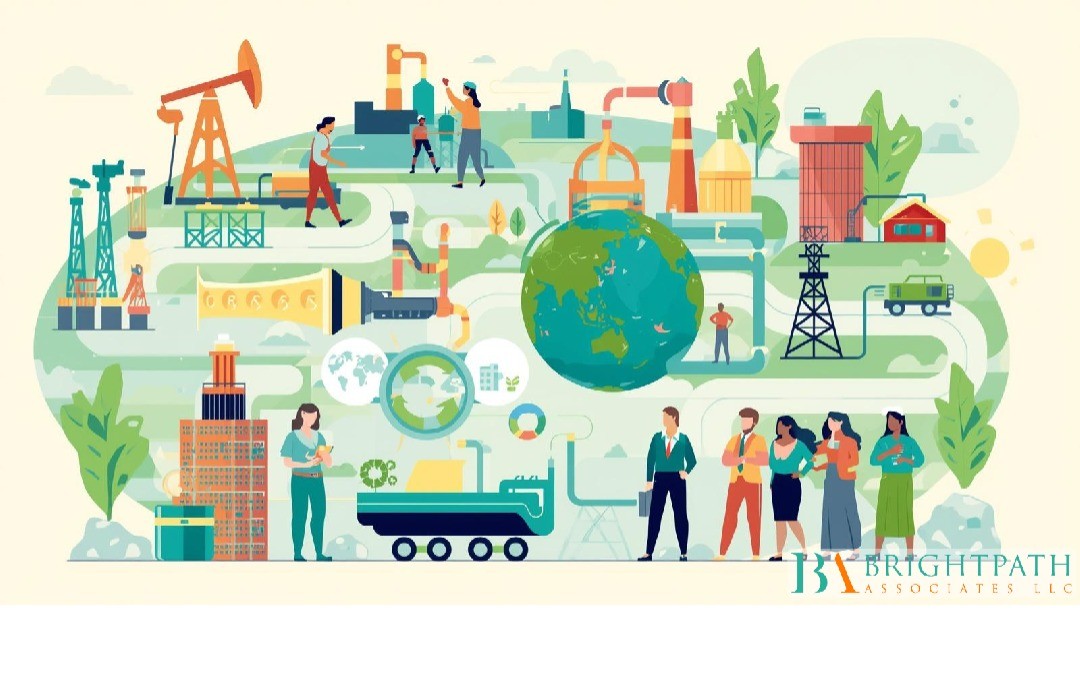
The oil and #GasIndustry is undergoing a fundamental transformation as sustainability becomes a strategic priority rather than a regulatory obligation. Increasing pressure from stakeholders, evolving environmental standards, and the global transition toward sustainable energy solutions are compelling organizations to rethink traditional linear operating models. In this context, the circular economy has emerged as a powerful framework for reducing waste, optimizing resource utilization, and enhancing long-term profitability.
The Shift Toward Circular Economy in Oil and Gas
The traditional oil and gas value chain has historically operated on a linear model characterized by extraction, production, consumption, and disposal. This approach has led to significant resource inefficiencies and environmental challenges, including waste generation and emissions. The circular economy, by contrast, focuses on minimizing waste and maximizing the reuse and recycling of materials throughout the lifecycle of products and processes.
Energy industry trends indicate a growing shift toward circular practices, with companies investing in technologies and strategies that enable resource recovery and reuse. For instance, water recycling in drilling operations has become increasingly common, reducing freshwater consumption by up to 40% in some cases. Similarly, the reuse of drilling fluids and materials is helping organizations lower costs while minimizing environmental impact. These initiatives demonstrate how circular economy principles can be integrated into core operations to drive both sustainability and efficiency.
Waste Reduction and Resource Optimization Strategies
Effective #WasteManagement is central to the implementation of a circular economy in oil and gas. Companies are adopting advanced techniques to reduce waste generation and enhance resource efficiency across their operations. In upstream activities, innovations in oil drilling technology are enabling more precise extraction processes, reducing the volume of waste generated during drilling.
Midstream and downstream operations are also benefiting from circular strategies. Refinery operations management is increasingly focused on converting by-products into valuable resources, such as transforming waste gases into energy or repurposing residual materials for industrial use. These approaches not only reduce waste but also create additional revenue streams, improving overall profitability.
Data suggests that organizations implementing comprehensive waste reduction programs can achieve cost savings of up to 20% while significantly lowering their environmental footprint. This highlights the financial and operational benefits of adopting circular economy practices in the oil and gas sector.
Technological Innovation Driving Circular Practices
Technological innovation is a key enabler of circular economy initiatives in the oil and gas industry. Advances in digital technologies, automation, and data analytics are transforming how companies manage resources and optimize processes. For example, predictive maintenance systems use real-time data to monitor equipment performance, reducing downtime and extending asset lifecycles.
Petroleum engineering services are also evolving to incorporate sustainability considerations, with engineers developing solutions that enhance efficiency and reduce waste. Digital twins and simulation technologies allow organizations to model and optimize operations, minimizing resource consumption and improving decision-making.
Oilfield services companies are playing a critical role in driving these innovations, providing specialized expertise and technologies that support circular practices. By leveraging these advancements, organizations can enhance operational efficiency while aligning with sustainability goals.
Sustainable Energy Integration and Environmental Impact
The integration of sustainable energy solutions into oil and gas operations is an essential component of the circular economy. Companies are increasingly investing in renewable energy sources to power their operations, reducing reliance on fossil fuels and lowering emissions. This approach not only supports environmental objectives but also enhances energy security and cost stability.
Carbon capture and #StorageTechnologies are another important development, enabling organizations to reduce greenhouse gas emissions and repurpose captured carbon for industrial applications. These initiatives demonstrate how the oil and gas industry can contribute to broader sustainability goals while maintaining its role in the global energy mix.
Environmental impact reduction is further supported by the adoption of advanced monitoring systems, which provide real-time insights into emissions and resource usage. This enables organizations to identify inefficiencies and implement corrective measures, ensuring compliance with regulatory requirements and improving overall performance.
Operational Efficiency and Cost Optimization Through Circular Models
Circular economy principles are closely linked to operational efficiency and cost optimization. By minimizing waste and maximizing resource utilization, companies can reduce operational costs and improve profitability. For example, the reuse of materials and the optimization of supply chains can significantly lower procurement expenses and reduce dependency on external resources.
Energy sector investment is increasingly directed toward initiatives that enhance efficiency and sustainability. Companies that prioritize circular practices are better positioned to attract investment, as stakeholders recognize the long-term value of sustainable operations. Additionally, improved efficiency contributes to greater resilience, enabling organizations to adapt to market fluctuations and operational challenges.
The adoption of circular models also supports innovation, as companies explore new ways to create value from existing resources. This shift from a linear to a circular approach represents a fundamental change in how the industry operates, with significant implications for competitiveness and growth.
Challenges and Barriers to Implementation
Despite the benefits, the transition to a circular economy presents several challenges for oil and gas companies. High initial investment costs, technological complexity, and regulatory uncertainty can hinder adoption, particularly for small to mid-sized organizations with limited resources. Additionally, integrating circular practices into existing operations requires significant changes to processes, infrastructure, and organizational culture.
Supply chain constraints also pose a challenge, as the availability of recycled materials and sustainable inputs may be limited. Companies must therefore develop strategies to overcome these barriers, including partnerships, innovation, and investment in new technologies. Addressing these challenges is essential for realizing the full potential of circular economy initiatives.
Leadership Evolution and Strategic Talent Alignment
The shift toward a circular economy is reshaping leadership requirements and talent strategies within the oil and gas industry. While technical innovation remains a priority, there is an increasing need for leaders who can integrate sustainability into core business strategies and drive organizational transformation. At the same time, the demand for skilled professionals in areas such as digital technology, sustainability, and advanced engineering continues to grow, contributing to challenges in oil and gas jobs in the USA and other key markets.
In this evolving landscape, executive search recruitment has become a strategic tool for identifying leaders who possess the expertise and vision required to navigate complexity. Organizations are adopting more targeted approaches to talent acquisition, focusing on candidates who can align operational efficiency with sustainability objectives. By addressing leadership gaps and building high-performing teams, companies can accelerate their transition to circular economy models and achieve long-term success.
Conclusion
The adoption of circular economy principles represents a transformative opportunity for the oil and gas industry to reduce waste, enhance sustainability, and improve operational efficiency. As environmental and economic pressures continue to shape the energy landscape, companies must embrace innovative strategies that align with evolving expectations.
For small to mid-sized organizations, the ability to integrate circular practices into their operations will be a key determinant of competitiveness and resilience. By leveraging technological innovation, optimizing resource utilization, and aligning leadership strategies with sustainability goals, companies can position themselves for success in a rapidly changing industry. The transition to a circular economy is not without challenges, but the potential benefits make it a critical pathway for the future of oil and gas.
Find your next leadership role in Oil and Gas Industry today!
Stay informed with the latest insights on Oil and Gas Industry!