
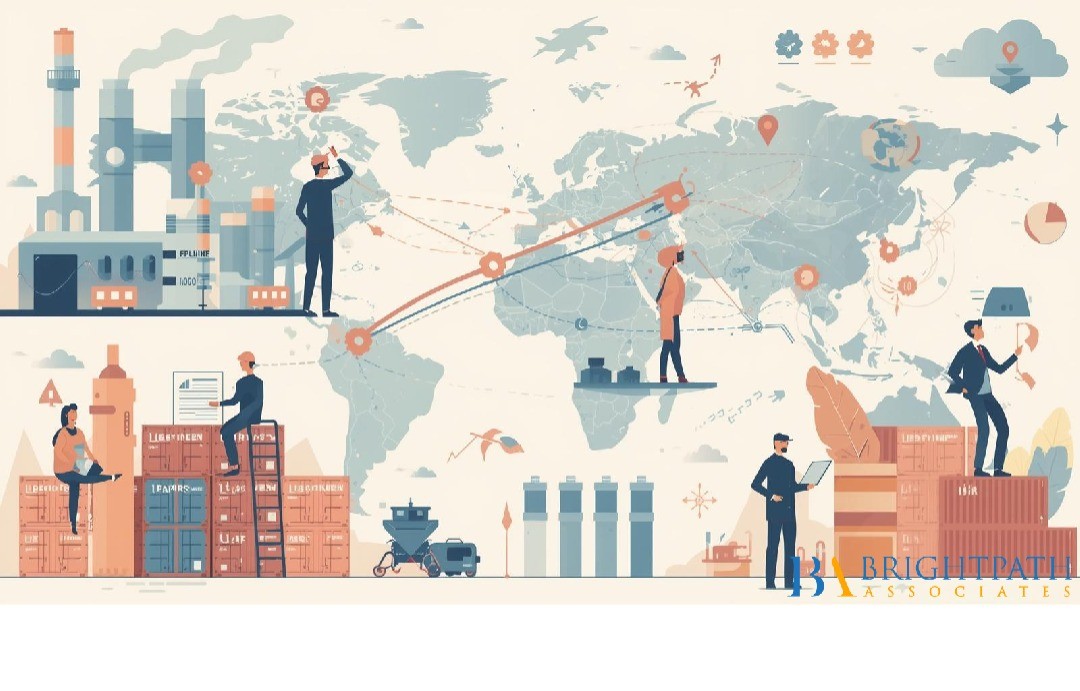
Overview of the Chemical Industry Landscape
Small and Medium-sized Enterprises (SMEs) play an integral and multifaceted role in the #GlobalChemicalIndustry, driving innovation, flexibility, and ultimately enhancing resilience in a rapidly changing market. Despite their size, these firms are crucial in fostering competition and meeting niche market demands, often acting as catalysts for change within the industry. As the chemical industry continues to evolve under the pressures of globalization and environmental awareness, SMEs face unique challenges and opportunities that differ markedly from those encountered by larger corporations which often have more resources at their disposal.
The dynamics of the industry over recent years highlight a significant shift toward digital transformation, automation, and sustainability. With factors such as climate change and resource depletion coming to the forefront, chemical manufacturing faces mounting pressure to innovate processes while aligning with increasingly stringent environmental standards. To remain viable and competitive, many chemical SMEs are eyeing international expansion as a promising pathway to sustainable growth. However, venturing beyond domestic borders involves navigating complex industry trends, regulatory and market conditions, and operational hurdles that require careful planning and strategy.
Key Challenges Faced by Chemical SMEs
Geopolitical tensions and economic pressures significantly influence the chemical industry, often determining the viability of market entry and overall operational stability. Political strife, trade wars, and tariffs can disrupt supply chains, affect raw material availability, and alter production costs unpredictably. SMEs, often possessing leaner financial and operational resources than large corporations, find these shifting geopolitical landscapes particularly daunting and fraught with risk.
Navigating supply chain disruptions has become a staple challenge, especially highlighted by events such as the global pandemic, which laid bare the vulnerabilities within the supply chain. SMEs in the chemical supply chain are compelled to adopt flexible strategies and develop contingency plans that allow them to maintain operations and fulfill contracts efficiently while adapting to shifts in demand and supply dynamics.
Inflationary pressures present another formidable layer of complexity. Rising fuel prices and increased costs of raw materials frequently hit chemical plant operations hard, prompting companies to rethink their operational strategies. This situation amplifies the necessity for chemical process optimizations, innovative cost-management strategies, and heightened operational efficiencies to survive and thrive in a fluctuating market environment.
Competition is fierce in the global chemical sector, with an influx of innovative entrants vying for market share. Barriers such as stringent market entry regulations, adherence to safety standards, and entrenched local competitors can stifle the potential for new players’ growth. To overcome these challenges, SMEs must strategically position themselves, often emphasizing unique chemical engineering capabilities and niche expertise that set them apart from established rivals.
Impact of Regulatory Compliance
Regulations within the chemical industry vary widely not just from region to region but also across different sectors within the industry. Compliance with #InternationalStandards presents an uphill task, requiring SMEs to be agile and responsive as they adapt to stringent regulations and policies that govern safety, environmental impact, and quality assurance. The challenges in the realm of chemical industry compliance are layered, ranging from intricacies in safety standards to complex environmental regulations, demanding comprehensive knowledge, meticulous planning, and constant vigilance to ensure adherence.
Developing sustainable chemical products not only meets these regulatory demands but also offers a strategic competitive advantage, particularly in markets where eco-conscious consumers increasingly drive demand. SMEs that embrace and integrate sustainable practices into their chemical production processes are better positioned to thrive, as they can effectively navigate the regulatory environments that demand lower environmental impacts while appealing to a more conscientious customer base.
Talent Acquisition and Leadership Gaps
The backbone of any successful international expansion is solid leadership that can steer the organization through the complexities of new markets and regulations. However, the chemical industry faces a shortage of leadership talent capable of guiding SMEs toward sustained growth. In this context, executive search recruitment becomes invaluable. Agencies like BrightPath Associates offer tailored recruitment solutions that align with the strategic goals of chemical firms, focusing on identifying leaders with the necessary blend of industry expertise and visionary acumen.
Leadership talent shortages can stymie growth plans and hinder the ability to scale operations effectively. By investing in executive search recruitment, SMEs can proactively address these gaps, drawing leaders who combine chemical production expertise with the visionary leadership essential for driving sustainable growth.
Over the past few years, #RecruitmentPractices have evolved dynamically in response to market demands and the changing landscape of work. Between 2023 and 2025, there’s a pronounced shift toward strategic recruitment, emphasizing agility, inclusiveness, and a diversity of thought. These evolving practices not only ensure that SMEs remain competitive amid global changes but also foster a culture of innovation and continuous improvement within the organization.
Strategic Solutions for Overcoming Expansion Challenges
Chemical process optimization remains critical as SMEs strive for efficiency in operations, especially as they expand internationally. By leveraging advanced technologies—including automation, data analytics, and artificial intelligence—firms can streamline chemical plant operations, ensuring resource optimization, waste reduction, and sustainability. These technological advancements help SMEs adapt to market demands while maintaining operational integrity.
Moreover, workforce management strategies must be innovative and proactive, fostering a culture that retains skilled professionals amidst growing demand for talent. Investing in employee development programs, promoting career growth opportunities, and supporting evolving roles within the chemical industry contribute significantly to building robust teams that can drive business success.
Competitive chemical engineering capabilities give SMEs an edge over their larger counterparts by developing specialties tailored to emerging industry niches, enabling these enterprises to carve out markets previously dominated by larger players. By focusing on agility, adaptability, and innovation in product development, SMEs can differentiate themselves and position themselves strategically within the global marketplace.
Case Study: Successful Expansion in the Chemical Sector
Taking a closer look at a successful SME exemplifies actionable lessons for others in the field. One such real-world example involves a mid-sized chemical firm that effectively navigated international expansion challenges by leveraging strategic recruitment and sustainable production practices to gain market share abroad. Their journey through complex regulatory landscapes and their reliance on executive search recruitment by industry experts like BrightPath Associates underscores the critical role of effective leadership and innovation in achieving growth and stability in foreign markets.
Conclusion: The Path Forward for Chemical SMEs
The path forward for chemical SMEs is paved with both challenges and myriad opportunities. Addressing leadership gaps through targeted strategic recruitment can catalyze growth, while compliance with international regulations not only ensures operational integrity but also strengthens market positions against competitors.
Partnering with #ExecutiveSearchRecruitment agencies plays a pivotal role in empowering SMEs to navigate the intricacies of international ventures successfully. BrightPath Associates’ strategic recruitment solutions offer the expertise and insights necessary to attract leaders who can drive change and foster sustainable growth within the organization.
By embracing contemporary chemical industry trends, optimizing processes, and managing resources innovatively, SMEs will find themselves well-equipped to thrive in an increasingly competitive global market landscape, positioning themselves not just as participants but as leaders in their respective fields.
Consideration for Execution
C-suite executives and founders are encouraged to prioritize leadership solutions actively within their organizations. Executive search recruitment plays an essential role in achieving sustainable growth and long-term success by ensuring the right talent drives business strategies.
As demonstrated in insights from BrightPath Associates, tailored recruitment strategies are crucial in attracting and retaining top talent in the industry. By aligning business goals with strategic recruitment processes, chemical SMEs can adeptly overcome the myriad challenges posed by international expansion, ensuring their operational efficacy and competitive advantage thrive on the global stage.
Find your next leadership role in Chemical Industry today!
Stay informed with the latest insights on Chemical Industry!