
Introduction
In the ever-evolving landscape of manufacturing, the #CeramicsIndustry is undergoing a transformative journey. The advent of automation, often dubbed as ‘Industry 4.0’, is reshaping traditional manufacturing practices. This revolution is not only enhancing efficiency but also paving the way for sustainable practices and innovative advancements. This comprehensive exploration delves into how automation is revolutionizing the ceramics sector and its implications across various related industries.
The Evolution of Ceramic Manufacturing Technology
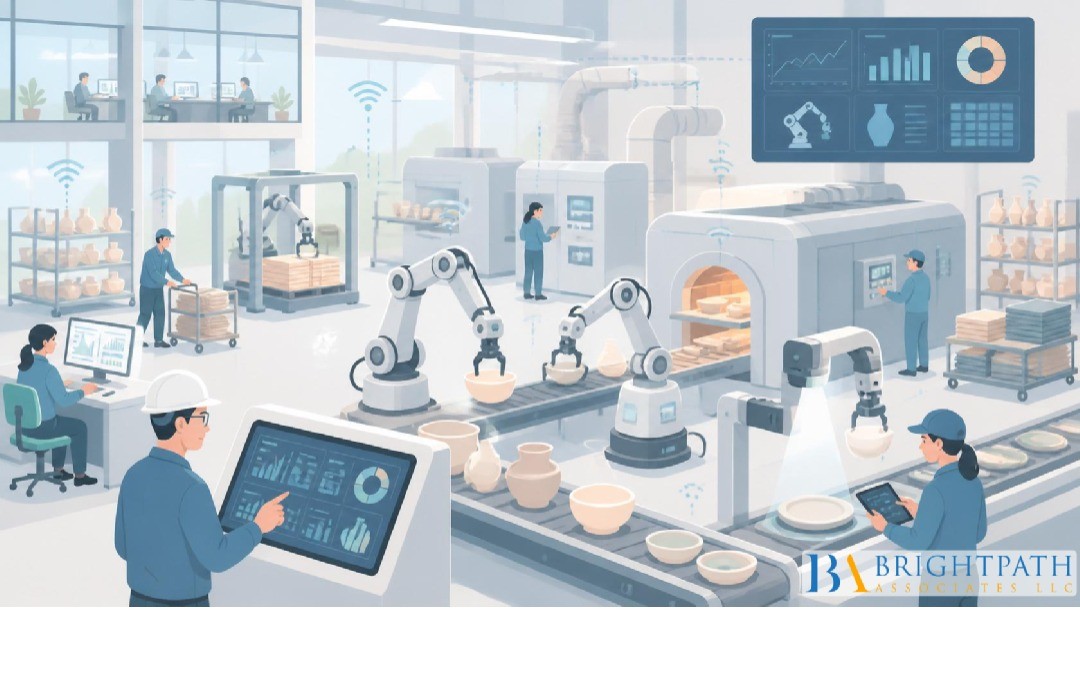
Ceramic manufacturing has always been a labor-intensive process, relying heavily on skilled artisans. However, with the introduction of advanced technologies, this is changing rapidly. Automation in ceramic manufacturing technology is streamlining operations, reducing human error, and increasing precision. By integrating robotics, sensors, and artificial intelligence, manufacturers can produce high-quality ceramics at a fraction of the time and cost.
These advancements are paramount for the ceramic industry’s growth, as they allow for customization and scalability previously unattainable. Automation also facilitates real-time monitoring and data collection, enabling manufacturers to make informed decisions swiftly. This technological leap is not only enhancing productivity but also ensuring consistent product quality.
Concrete Industry Trends: Embracing Innovation
The concrete industry, closely related to ceramics, is also witnessing significant changes. Advanced concrete technology is enabling the production of more durable and sustainable materials. Innovations such as 3D printing and self-healing concrete are setting new benchmarks in the industry, offering solutions that are both cost-effective and environmentally friendly.
#ConcreteProduction efficiency has seen a boost with automation, reducing waste and optimizing resource use. These trends are crucial as the demand for sustainable building materials continues to rise. As the industry shifts towards eco-friendly practices, automation plays a pivotal role in aligning production processes with sustainability goals.
Glass Market Analysis: The Role of Automation
In the glass industry, innovation is key to staying competitive. Automation has introduced a myriad of possibilities, from precision cutting to intricate designs, which were once labor-intensive tasks. The glass market analysis reveals that automation is driving down costs while enhancing product complexity and design variability.
With automated systems, manufacturers can now achieve high levels of customization and efficiency. This not only opens up new markets but also allows for the production of glass products that meet specific consumer demands. As automation continues to evolve, it is expected that the glass industry will further innovate, setting new standards for quality and design.
Construction Materials Recruitment: The Changing Landscape
The integration of automation in manufacturing processes is influencing the #ConstructionMaterials recruitment sector. As industries adopt advanced technologies, the demand for skilled professionals who can navigate these new systems is rising. This trend is reshaping the recruitment landscape, highlighting the importance of #ExecutiveSearchRecruitment in finding the right talent.
Organizations are now seeking individuals who possess a blend of technical expertise and adaptability to work with automated systems. This shift is not only creating new job opportunities but also necessitating a reevaluation of educational programs to prepare the future workforce for these emerging roles.
Sustainable Building Materials: A New Era
Sustainability is at the forefront of industry trends, and ceramics play a crucial role in this movement. The push for sustainable building materials is driving manufacturers to innovate and adopt eco-friendly practices. Automation facilitates this transition by enabling more efficient use of raw materials and energy, reducing the carbon footprint of manufacturing processes.
The adoption of sustainable practices is not only beneficial for the environment but also enhances a company’s reputation and marketability. As consumers become more environmentally conscious, the demand for sustainable products is expected to increase, further driving the need for automation in the ceramics industry.
Advanced Concrete Technology: Pioneering Change
Advanced #ConcreteTechnology is another area where automation is making significant impacts. Smart sensors and AI-driven analytics are allowing for more precise control over concrete production processes. This leads to improved material properties and reduced environmental impact, aligning with the growing trend towards sustainability.
These technological advancements are crucial as they offer solutions to contemporary challenges such as climate change and resource scarcity. By leveraging automation, the concrete industry can produce materials that are both high-performing and eco-friendly, setting new standards for construction practices worldwide.
Glass Industry Innovation: A Testament to Technological Progress
Innovation in the glass industry is a testament to the power of automation. The ability to produce complex glass structures with minimal waste is revolutionizing architectural design and construction. Automated systems are capable of producing glass that is not only aesthetically pleasing but also highly functional and durable.
As the industry continues to embrace automation, it is expected that we will see even greater innovations in glass design and functionality. This progress reflects the broader trend of technological advancement across the manufacturing sector, highlighting the importance of staying at the cutting edge of innovation.
Cement Industry Sustainability: Meeting Future Demands
Sustainability in the #CementIndustry is a pressing concern, and automation offers a viable path forward. By optimizing production processes, reducing emissions, and improving energy efficiency, automation is helping to meet the industry’s sustainability goals. This is crucial as the demand for sustainable construction materials grows.
By embracing automation, the cement industry can not only increase its sustainability but also enhance its competitiveness in the global market. As sustainability becomes a key differentiator, companies that prioritize eco-friendly practices are likely to see substantial benefits.
Conclusion: The Future of Ceramic Industry Growth
The integration of automation in ceramic manufacturing and related industries is heralding a new era of growth and innovation. From enhancing efficiency and precision to promoting sustainability, automation is proving to be a game-changer. As these trends continue to unfold, the ceramics industry and its counterparts are well-positioned to meet the demands of an ever-changing market.
As we move forward, it is imperative for industry leaders to embrace these technological advancements. By doing so, they can ensure not only the growth of their own enterprises but also contribute to a more sustainable and innovative future for the manufacturing sector as a whole.
Find your next leadership role in Glass industry today!