
Introduction
The oil and #GasIndustry stands at a defining crossroads. While global energy demand continues to rise, pressure from regulators, investors, and customers to reduce emissions has intensified. For C-suite executives and founders of small to mid-sized oil and gas companies, the challenge is no longer framed as growth versus sustainability. Instead, it centers on how to integrate sustainable energy solutions into traditional hydrocarbon operations without compromising profitability. Carbon capture technology has emerged as a transformative lever in this equation, offering a pathway to reduce emissions while preserving asset value and maintaining competitiveness in an evolving energy landscape.
Carbon capture, utilization, and storage initiatives are increasingly embedded within broader energy industry trends. Major producers and independent operators alike are evaluating how captured carbon can be stored safely or repurposed for enhanced recovery and industrial applications. This shift is reshaping capital allocation strategies, operational frameworks, and executive leadership expectations across the oil and gas ecosystem.
The Strategic Importance of Carbon Capture
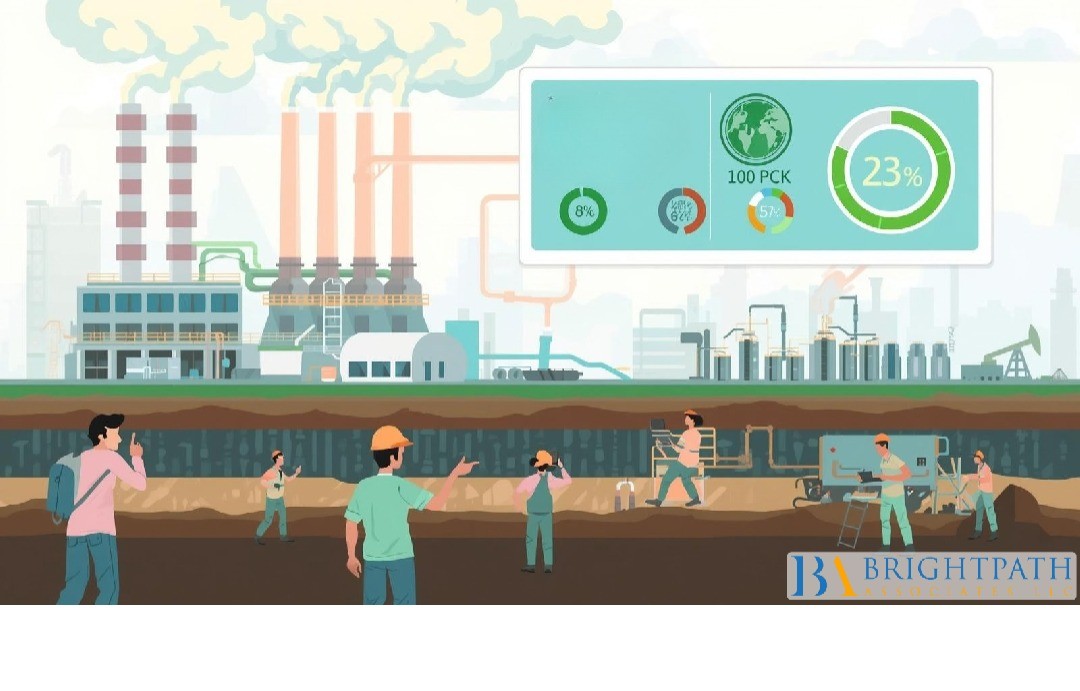
Carbon capture technology involves capturing carbon dioxide emissions at the source—such as refineries, processing plants, or power facilities—and transporting it for storage or reuse. In refinery operations management, integrating capture systems can significantly lower the carbon intensity of fuel production. For upstream operators, combining carbon capture with advanced oil drilling technology and enhanced recovery methods can extend the life of mature fields while lowering net emissions.
The economic rationale is becoming increasingly compelling. Governments and financial institutions are directing substantial energy sector investment toward decarbonization projects. Carbon capture initiatives can unlock tax incentives, access to green financing instruments, and improved ESG ratings. For mid-sized companies competing with larger integrated players, participation in such initiatives can strengthen investor confidence and secure long-term capital flows.
Beyond financial incentives, customer expectations are evolving. Industrial buyers and global supply chain partners increasingly scrutinize emissions footprints. Companies that integrate carbon capture into petroleum engineering services and oilfield services companies portfolios are better positioned to win contracts in a market that prioritizes environmental performance alongside operational efficiency.
Operational Transformation and Technological Integration
Implementing carbon capture is not a standalone project; it requires systemic operational transformation. Engineering teams must redesign processes, integrate capture units with existing infrastructure, and ensure compliance with regulatory standards. This complexity demands cross-functional coordination across upstream, midstream, and downstream operations.
For example, a refinery incorporating capture systems must optimize #EnergyConsumption to prevent efficiency losses. Advanced monitoring systems and predictive analytics can help manage these trade-offs. In upstream operations, integrating carbon injection with oil drilling technology requires careful geological analysis and reservoir modeling. These technical demands elevate the importance of data-driven decision-making and digital integration across the organization.
As a result, carbon capture is accelerating digital transformation within oil and gas. Companies are investing in sensors, real-time analytics platforms, and automation tools to monitor emissions and performance metrics. These technologies improve transparency and enable proactive management, strengthening compliance and operational resilience.
Leadership Evolution in a Decarbonizing Industry
While technology forms the backbone of carbon capture, leadership determines its success. The oil and gas sector is facing a pronounced talent shortage, particularly in roles that blend traditional petroleum expertise with sustainability strategy. Experienced reservoir engineers, refinery operations leaders, and project managers are in high demand, but the new environment requires additional competencies in environmental governance, carbon accounting, and stakeholder engagement.
Executive roles have evolved accordingly. The Chief Operations Officer must now oversee not only production efficiency but also carbon reduction targets. The Chief Financial Officer evaluates carbon capture investments alongside traditional capital expenditures, balancing long-term sustainability with immediate shareholder returns. The Chief Sustainability Officer, once peripheral in many organizations, has become central to strategic planning.
This shift has intensified competition for top-tier leadership. Oil and gas jobs USA increasingly require hybrid skill sets that combine engineering acumen with regulatory knowledge and digital fluency. Smaller and mid-sized companies often struggle to compete with multinational corporations for such talent, particularly when launching ambitious decarbonization initiatives.
The Recruitment Challenge and Strategic Talent Acquisition
As carbon capture becomes integral to corporate strategy, executive hiring practices must adapt. Traditional recruitment channels may identify candidates with strong petroleum backgrounds, but fewer possess direct experience in carbon management or sustainable energy solutions. This gap can delay project execution, increase compliance risks, and weaken strategic positioning.
Strategic #ExecutiveSearchRecruitment offers a more targeted approach. By mapping specialized talent pools across petroleum engineering services, refinery operations management, and environmental technology sectors, executive search partners can identify leaders with relevant cross-sector experience. These firms evaluate not only technical credentials but also the ability to drive cultural change, manage large-scale transformation projects, and communicate effectively with investors and regulators.
For small to mid-sized oil and gas companies, partnering with a specialized Executive Search Recruitment firm such as Brightpath Associates provides access to candidates who understand both hydrocarbon operations and the strategic implications of decarbonization. Through comprehensive assessment methodologies, companies can secure executives capable of aligning carbon capture initiatives with broader business objectives.
Energy Sector Investment and Competitive Positioning
Energy sector investment patterns increasingly favor companies that demonstrate credible pathways to emissions reduction. Carbon capture projects signal long-term viability in a transitioning energy landscape. Investors view such initiatives as evidence of proactive risk management and strategic foresight.
Companies that fail to adopt carbon mitigation strategies risk capital constraints and diminished market relevance. In contrast, those that integrate capture technology into core operations can differentiate themselves within the oilfield services companies ecosystem and attract partnership opportunities with infrastructure providers and technology innovators.
Moreover, carbon capture can generate new revenue streams. Utilization pathways, such as carbon conversion into industrial materials or enhanced recovery operations, create additional value propositions. These diversified revenue models strengthen financial resilience and reduce exposure to commodity price volatility.
However, capturing these opportunities requires leaders capable of navigating complex regulatory environments and negotiating cross-industry collaborations. Executive capability thus becomes as critical as technological capability.
Aligning Talent Strategy with Carbon Capture Objectives
To maximize the impact of carbon capture, oil and gas executives must integrate talent strategy into project planning. This includes evaluating whether current leadership teams possess the expertise to manage engineering complexity, stakeholder engagement, and financial structuring. Where gaps exist, proactive recruitment becomes essential.
Executive Search Recruitment plays a pivotal role in bridging these gaps. By identifying candidates with experience in large-scale infrastructure deployment, environmental compliance, and digital transformation, companies can reduce implementation risk and accelerate time-to-value. Strategic hiring also strengthens internal knowledge transfer, ensuring that carbon capture expertise permeates the organization.
Beyond external recruitment, companies should invest in leadership development programs that upskill existing managers in sustainability and carbon management. This dual approach—external acquisition and internal development—creates a robust leadership pipeline aligned with long-term #DecarbonizationGoals.
Conclusion: Carbon Capture as a Catalyst for Strategic Renewal
Carbon capture technology represents more than an environmental compliance tool; it is a catalyst for strategic renewal within the oil and gas industry. By integrating capture systems into refinery operations management, upstream production, and oil drilling technology frameworks, companies can reduce emissions while sustaining profitability.
Yet, the true differentiator lies in leadership. The evolving energy landscape demands executives who can harmonize petroleum expertise with sustainability strategy, digital innovation, and financial discipline. For C-suite leaders and founders of small to mid-sized oil and gas companies, the path forward requires deliberate alignment between technology investment and executive capability.
Through strategic Executive Search Recruitment and partnership with experienced firms such as Brightpath Associates, organizations can secure the leadership necessary to implement carbon capture effectively. In doing so, they not only protect existing assets but also position themselves at the forefront of sustainable energy solutions, ensuring resilience and competitive advantage in a rapidly transforming global energy market.
Find your next leadership role in Oil and Gas Industry today!
Stay informed with the latest insights on Oil and Gas Industry!