
Introduction
In an ever-evolving global landscape, the #ConstructionIndustry faces the constant challenge of adapting to volatile markets. With fluctuations in demand, economic instability, and the push towards sustainable practices, building a resilient distribution network has never been more crucial. This article explores the key strategies for achieving resilience in construction supply chains, while emphasizing sustainable construction, building technology, and the importance of adapting to change.
Understanding Market Volatility
Market volatility can manifest in various forms, from economic downturns to unpredictable shifts in demand for construction materials and building supplies. The construction industry, heavily reliant on raw materials like concrete and lumber, must navigate these challenges to maintain stability and growth. This volatility is compounded by new building regulations and the pressing need for sustainable construction solutions.
At the heart of any construction project lies a range of materials, from concrete and steel to lumber and glass. The effective management of these building supplies is crucial in mitigating the impact of market volatility. Ensuring a steady supply of these resources requires innovative strategies, such as diversifying supply sources and investing in technology that forecasts demand trends.
#ConcreteProduction and the lumber industry are pivotal in shaping the construction landscape. Concrete, known for its durability and strength, is a cornerstone of modern construction, while lumber provides the versatility needed for various architectural designs. In times of market turbulence, maintaining a balance between production and demand in these sectors is essential.
Leveraging Building Technology
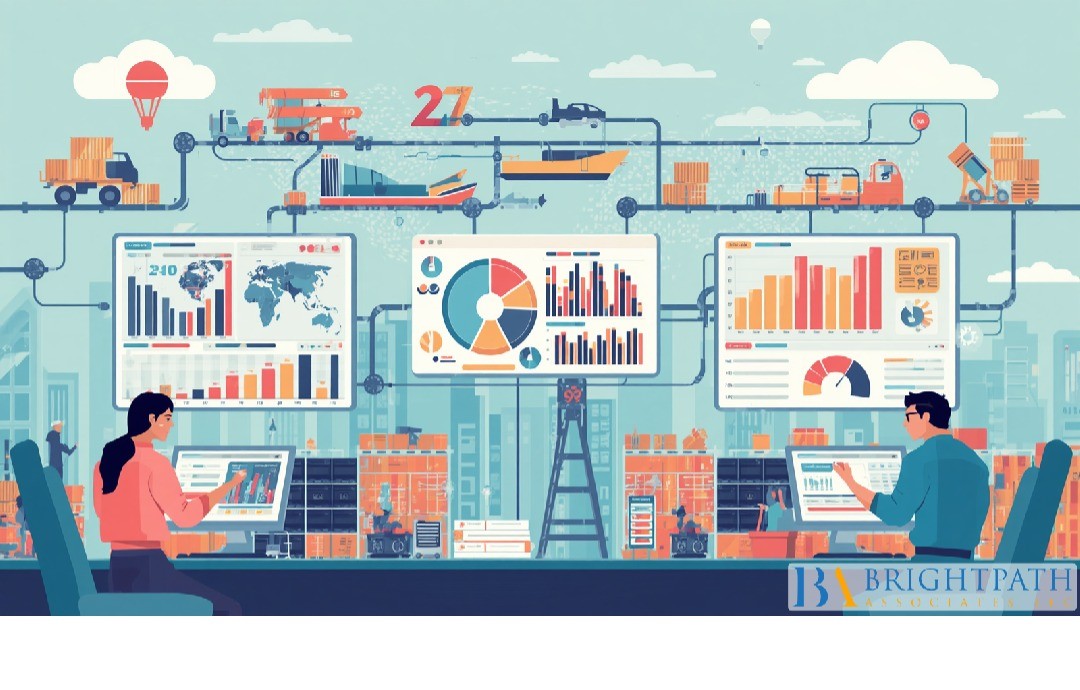
#TechnologicalAdvancements are transforming the construction industry at an unprecedented pace. Building technology plays a pivotal role in creating resilient distribution networks by optimizing supply chain management, improving efficiency, and reducing waste. Automation, artificial intelligence, and data analytics are increasingly being employed to streamline operations and forecast market trends.
Incorporating sustainable construction practices is not only environmentally responsible but also economically viable. By embracing practices such as material recycling and energy-efficient building designs, construction firms can mitigate the risks associated with volatile markets. This shift towards sustainability also aligns with the growing demand for eco-friendly structures, further stabilizing the market.
Building regulations serve as both a guide and a challenge for the construction industry. While they ensure safety and quality standards, they can also lead to increased costs and delays. Staying ahead of regulatory changes is crucial for building a resilient distribution network. This involves proactive engagement with policymakers and continuous adaptation to new regulations.
The Economics of Construction
#ConstructionEconomics is a complex field that encompasses cost control, financial management, and market analysis. Understanding the economic dynamics at play is essential for developing strategies that withstand market fluctuations. Firms must be adept at managing budgets, forecasting costs, and negotiating contracts to maintain profitability in volatile markets.
Material recycling offers a dual benefit of reducing environmental impact and lowering costs. By reusing materials from demolished structures or surplus supplies, construction companies can decrease their reliance on new raw materials. This practice not only supports sustainable construction but also provides a buffer against supply chain disruptions.
Volatile markets inevitably affect construction jobs, with fluctuations in demand leading to shifts in workforce requirements. A resilient distribution network should include strategies for workforce management, ensuring that skilled labor is available when needed. This may involve partnerships with #ExecutiveSearcRecruitment firms to identify and secure top talent efficiently.
Conclusion
Building a resilient distribution network in the construction industry requires a multifaceted approach that addresses market volatility, embraces technological advancements, and prioritizes sustainable practices. By focusing on efficient management of construction materials, navigating building regulations, and understanding construction economics, firms can better position themselves to thrive in unpredictable markets. The integration of material recycling and strategic workforce management further strengthens these networks, ensuring long-term stability and success. As the industry continues to evolve, resilience will remain the cornerstone of sustainable growth.
Find your next leadership role in Building Materials Industry today!
Stay informed with the latest insights on Building Materials Industry!