
Introduction
In today’s #GlobalizedEconomy, building resilience within the environmental supply chain is becoming increasingly critical. As industries face unprecedented challenges due to climate change, sustainability pressures, and stringent regulatory demands, environmental services are squarely in the spotlight. Companies are now more pressed than ever to innovate and ensure that their supply chains are robust enough to withstand disruptions and adapt quickly to environmental demands. This process requires not just a proactive approach to sustainability but also a comprehensive understanding of the interrelated components that contribute to a resilient supply chain.
Understanding the Environmental Supply Chain
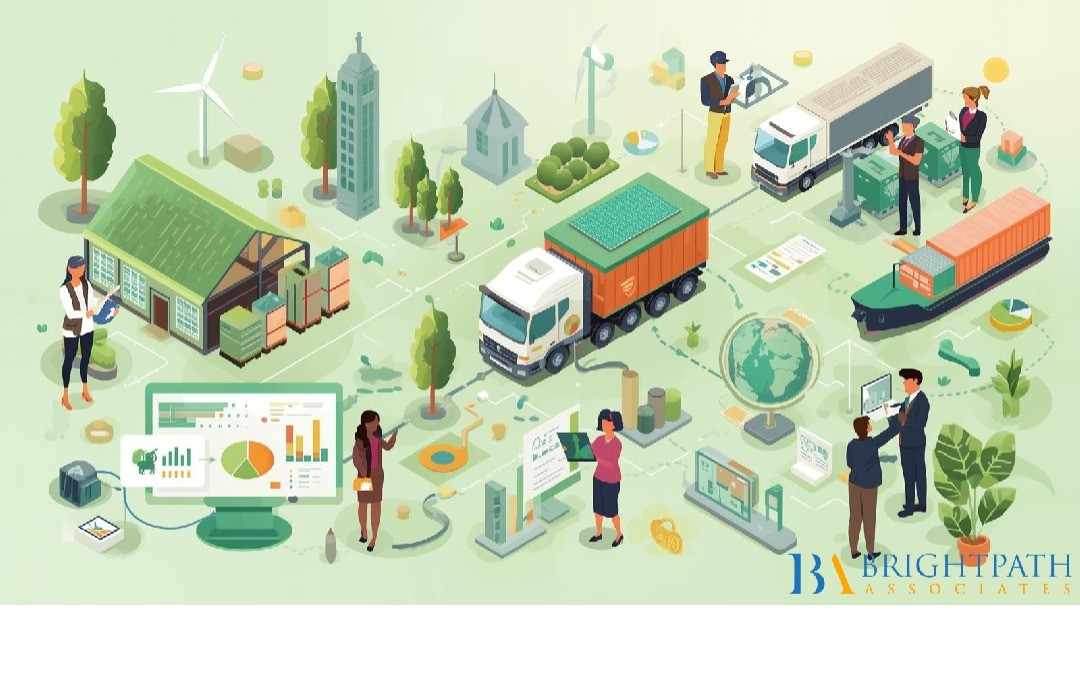
The environmental supply chain encompasses a broad array of activities and components aimed at minimizing environmental impact and promoting sustainability. It includes everything from waste management solutions and water treatment processes to industrial air pollution control mechanisms. These components are crucial in ensuring that the environmental footprint of supply chains is minimized while optimizing operational efficiency. A well-functioning environmental supply chain integrates sustainable practices at every stage—from sourcing raw materials to manufacturing processes, distribution methods, and final product delivery. This holistic perspective encourages companies to assess and manage the environmental impacts of their entire supply chain lifecycle, leading to more effective resource management and waste reduction strategies.
The Importance of Environmental Innovation
At the heart of transforming the #EnvironmentalSupplyChain is innovation. Environmental innovation plays a pivotal role in driving sustainability and enhancing resilience. By integrating clean technology and green technology initiatives, businesses can reduce emissions, manage waste more effectively, and conserve natural resources. For instance, advancements in clean energy technologies, such as solar and wind power, coupled with eco-friendly materials like biodegradable plastics, signify shifts toward a more sustainable operational model. Such technologies not only reduce dependency on fossil fuels but also minimize harmful emissions associated with traditional manufacturing processes. As these innovations are implemented, companies increase their resilience against environmental shocks and regulatory changes. Additionally, fostering a culture of innovation within organizations encourages continual improvement and adaptation, allowing companies to stay ahead of evolving environmental challenges and stakeholder expectations.
Trends in Environmental Compliance
The regulatory landscape is continually evolving, demanding that companies stay ahead of environmental compliance. Increased regulations emphasize sustainable practices, pushing companies to adapt their supply chain strategies accordingly. For example, new laws regarding greenhouse gas emissions and waste disposal have prompted businesses to re-evaluate their operational frameworks. Environmental consulting becomes indispensable in navigating this complex terrain, providing expert guidance on compliance and helping to implement cutting-edge sustainable practices. Not only do environmental consultants assist with compliance audits and reporting, but they also help in crafting strategies that go beyond mere compliance to achieve long-term sustainability goals. By tailoring solutions to meet each company’s unique needs, consultants enable businesses to adopt innovative practices that can enhance both efficiency and reputation in a market that increasingly values sustainability.
Executive Search Recruitment in Environmental Services
The evolving landscape of environmental services requires visionary leadership capable of driving strategic change. #ExecutiveSearchRecruitment becomes a strategic necessity for identifying and integrating leaders with the foresight to navigate challenges while leveraging opportunities within the supply chain. Companies, particularly small to mid-sized enterprises, are facing challenges in finding and retaining talent that can propel them toward achieving their environmental sustainability goals. As competition for skilled professionals increases, the need for a robust talent acquisition strategy is paramount. Clean technology executive search provides tailored solutions to these recruitment challenges, ensuring that companies have leadership committed to environmental innovation and sustainable practices. These leaders must not only possess technical expertise but also the ability to inspire teams, foster a culture of sustainability, and build partnerships that drive collective impact in environmental stewardship.
In a world increasingly aware of the challenges posed by climate change, these leaders are called to innovate and adapt, driving initiatives that prioritize renewable resources and reduce ecological footprints. Their role extends beyond mere compliance with regulations; they are visionaries crafting sustainable strategies that align with global efforts to combat environmental degradation. Through continuous learning and collaboration with diverse stakeholders, they pave the way for a greener future, ensuring that sustainability becomes an integral part of the organizational ethos and a catalyst for long-term growth and resilience.
Case Study: Successful Environmental Supply Chain Strategies
Analyzing companies that have successfully implemented resilient environmental supply chain strategies offers valuable insights. These organizations serve as benchmarks, showcasing how waste management solutions and sustainable approaches can be integrated effectively. For instance, companies that invest in circular economy principles—where resources are reused and recycled—demonstrate how operational strategies can align with environmental goals. Real-world examples illustrate critical best practices, from innovative water treatment methods to the use of green technology in minimizing industrial emissions. Such examples not only highlight the practical application of theoretical concepts but also provide a framework that others can emulate. Key takeaways include the strategic importance of investing in technologies and leadership talent that prioritize environmental sustainability and resilience. Furthermore, the success stories of these companies often emphasize the need for continuous learning and adaptation, encouraging others in the industry to remain agile and forward-thinking in their own practices.
In this rapidly changing business landscape, the ability to pivot strategies in response to market demands not only ensures resilience but also fosters a culture of innovation. Companies that prioritize staying ahead of industry trends often enjoy a competitive edge, as they are able to anticipate customer needs and tailor their offerings accordingly. This proactive approach not only enhances customer satisfaction but also solidifies the company’s reputation as a leader in its field, inspiring others to follow suit and cultivate their own adaptive strategies.
Conclusion
In building resilience within the environmental supply chain, companies must embrace innovation, stringent compliance, and #StrategicLeadership. The emphasis on environmental sustainability is no longer a mere trend; it is a fundamental aspect of responsible business practice in the modern era. As they navigate the future landscape, the role of executive search recruitment remains instrumental in fostering a sustainable industry. By securing visionary leaders, companies can confidently advance toward environmental sustainability and compliance, ensuring their operations are not only resilient but also future-ready. The journey towards a sustainable and resilient environmental supply chain is ongoing and requires commitment, collaboration, and a shared vision among all stakeholders involved. Only through collective efforts can industries successfully rise to the challenges of our time, championing a more sustainable future for generations to come.
Find your next leadership role in Environmental Services Industry today!
Stay informed with the latest insights on Environmental Services Industry!