
Introduction
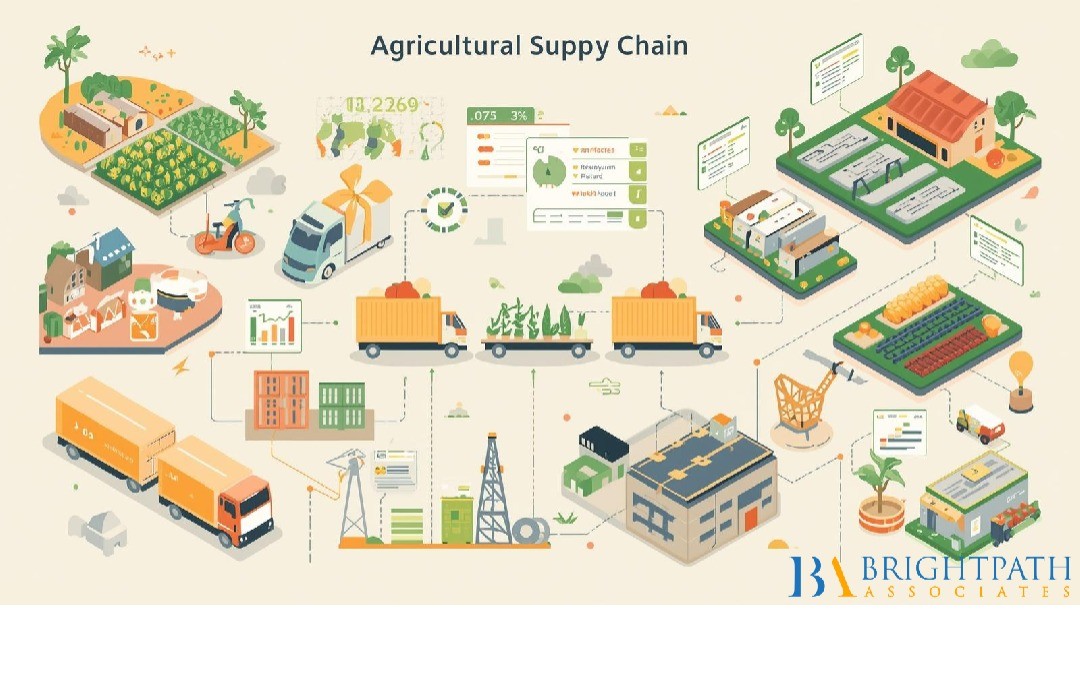
In an ever-evolving agricultural landscape, building a resilient #SupplyChain has become crucial for maintaining the steady flow of food from farms to consumers. A robust agricultural supply chain ensures food security, reduces waste, and enhances the economic stability of communities involved in food production. Furthermore, a resilient supply chain allows for quicker responses to market fluctuations and unexpected disruptions, positioning agricultural stakeholders to not only survive but thrive in challenging environments. However, the current industry faces several challenges, including fluctuating weather patterns, resource scarcity, and evolving consumer expectations. These factors necessitate a reevaluation of supply chain strategies to enhance resilience and adaptability in the face of these complexities.
The Role of Agricultural Technology
Agricultural technology serves as a cornerstone in improving supply chain efficiency. The integration of precision agriculture, farm management software, and digital agriculture technology has shown profound impacts on the operational capabilities of farming enterprises. These advanced technologies enable farmers to make data-driven decisions, resulting in optimized resource allocation and minimized waste. Precision agriculture, for instance, uses GPS and remote sensing technology to monitor field variability, ensuring that inputs like water and fertilizers are applied where they are needed most. This not only enhances productivity, but also sustains environmental health by minimizing excess application, which can lead to runoff and soil degradation.
With farm management software, producers can coordinate logistics more efficiently, reducing bottlenecks and delays in the supply chain that can lead to significant financial losses. The move towards digital agriculture technology is seen as imperative for modern farms trying to keep pace with market demands. By embracing these tools, farmers can significantly cut down on operational costs while enhancing output quality and supply reliability, which is increasingly vital in a competitive market. Moreover, advancements in data analytics allow farmers to foresee potential supply chain disruptions, enabling proactive measures that safeguard their operations against unforeseen circumstances such as supply shortages or price fluctuations.
Trends in Sustainable and Organic Farming
Sustainable and #OrganicFarming practices are pivotal in forming a resilient agricultural supply chain. Sustainable farming involves methods that maintain agricultural productivity without compromising environmental integrity. Techniques like crop rotation, reduced tillage, and organic manures contribute to healthier soil and more resilient crops, thereby enhancing the ability of farms to withstand the adverse effects of climate change. By incorporating these approaches, farmers can mitigate the effects of climate change and resource scarcity, ultimately leading to a more robust agricultural ecosystem.
The organic farming sector is seeing substantial growth as consumer preferences shift towards more natural produce, reflecting increasing awareness about health and environmental issues. This change necessitates new supply chain frameworks that can manage the unique pressures and authentic certification processes associated with organic practices. As agricultural sustainability becomes an integral component of supply chains, it reshapes market dynamics, influencing production quotas, pricing strategies, and marketing approaches. Producers must now navigate a market where transparency and ethical considerations play significant roles, urging them to adapt quickly. Consequently, forming partnerships with eco-friendly suppliers and embracing local sourcing becomes paramount for obtaining and maintaining consumer trust.
Challenges in Food Production Market Analysis
A comprehensive food production market analysis is essential for strategic supply chain management. The agricultural industry must navigate a complex web of consumer demands and climate change impacts that directly affect production decisions. For example, shifts in dietary preferences towards plant-based diets can create new demand patterns, presenting both challenges and opportunities for producers. Understanding these evolving preferences through diligent market research enables farmers to align their production strategies with actual consumer desires, which is crucial for sustaining profitability.
Adapting to these consumer dynamics requires agility and foresight. Tools like farm analytics platforms provide valuable insights, offering data on market trends and consumer preferences. Such information enables businesses to align production schedules with demand cycles effectively, ensuring optimal supply chain operation and reduced risk. Moreover, leveraging technology for real-time data collection can help farmers respond to emerging trends, allowing for swift adjustments in crop selection and marketing strategies. This adaptability can differentiate successful operators from those who struggle to keep pace with changing market conditions.
Innovations and Digital Farming Solutions
Recent #AgriculturalInnovations have revolutionized supply chains, primarily through digital farming solutions. Technologies like IoT (Internet of Things) sensors, drones, and blockchain are being employed to track and manage inventory in real-time, reduce losses, and enhance transparency from farm to table. Digital platforms facilitate better communication between stakeholders, fostering a more unified approach to production and distribution. For instance, blockchain technology allows for traceability in the supply chain, reassuring consumers about the origin and handling of their food, which is becoming increasingly important in today’s market.
Case studies highlight the success of these innovations, with farms implementing digital agriculture technology seeing notable improvements in yield and supply chain fluidity. These implementations underscore the importance of innovation in maintaining competitive advantage and meeting global food demands. Furthermore, by sharing data across the supply chain, from producers to retailers, all parties benefit from increased visibility, enabling better coordination and ultimately fostering a system where efficiency is prioritized. This collaborative approach can lead to reduced waste, streamlined operations, and enhanced sustainability metrics.
Executive Search Recruitment in Agriculture
Leadership plays a critical role in fortifying agricultural supply chains. As the industry adapts to new challenges, the need for strong, forward-thinking leadership becomes paramount. #ExecutiveSearchRecruitment has emerged as a strategic approach to addressing leadership talent shortages, precisely matching the right leaders with the right roles to drive innovation and growth. Securing strategic leaders who possess a deep understanding of agricultural technologies and market dynamics is essential for organizations aiming to navigate this complex landscape effectively.
In recent years, there has been a noticeable shift in the expectations placed on agricultural leaders, emphasizing diverse skill sets and strategic visions. BrightPath Associates has positioned itself as a key player in this space, offering tailored solutions to recruitment challenges in the agricultural sector. Through their services, organizations can ensure they have the leadership necessary to navigate the complexities of modern agriculture successfully. This focus on strategic hiring not only helps organizations build capable teams but also fosters an environment of continuous improvement and adaptability that is vital for long-term sustainability.
Conclusion
In summary, the resilience of the agricultural supply chain hinges on technological integration, #SustainablePractices, and strategic leadership. By leveraging agricultural technology, embracing sustainable methods, and investing in effective leadership recruitment, stakeholders in the agricultural sector can build a robust framework that supports efficiency and adaptability. Embracing innovative solutions and adopting a forward-thinking recruitment approach are essential steps in securing food production’s future. By strengthening the agricultural supply chain, stakeholders can ensure efficiency, sustainability, and continued growth in a rapidly changing world. It is imperative for industry leaders to prioritize these aspects to maintain their competitiveness and meet the demands of the global market, ultimately securing a healthy and resilient future for agriculture.
Find your next leadership role in Farming Industry today!