
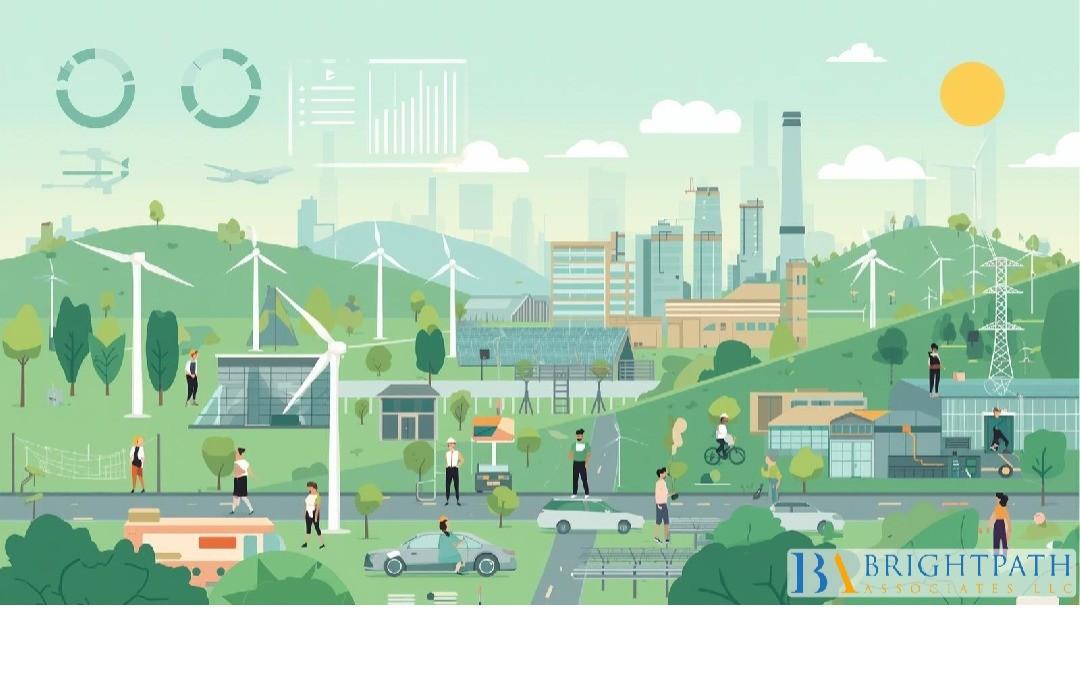
Introduction
The #GlobalEconomy is undergoing a profound transformation, driven by the urgent need for sustainable energy solutions. Renewable energy and environmental technologies are no longer niche markets—they have become central to national policies, corporate strategies, and investor priorities. For small to mid-sized renewable energy and environmental companies, navigating this transition effectively requires not only technological innovation but also robust executive leadership. Between 2023 and 2025, leadership capabilities are emerging as a defining factor in whether companies can seize opportunities, meet regulatory expectations, and scale efficiently.
Accelerating Renewable Energy Innovation
Innovation lies at the heart of the energy transition. Breakthroughs in solar, wind, bioenergy, and energy storage technologies have lowered costs, increased efficiency, and expanded market reach. Data from recent industry reports shows global investment in renewable energy projects has grown at an annual rate exceeding 12 percent from 2023 through 2025, highlighting the pace at which new technologies are being deployed. Companies that fail to align innovation with business strategy risk falling behind competitors who leverage cutting-edge technology to optimize production, reduce carbon footprints, and enhance profitability.
Regulatory and Environmental Pressures
The evolving regulatory landscape adds complexity to renewable energy operations. Governments are tightening environmental standards, mandating emissions reductions, and incentivizing clean energy adoption. For small to mid-sized firms, compliance can be particularly challenging, as they often operate with lean teams and limited resources. Failure to adhere to environmental regulations can result in fines, project delays, and reputational damage. These pressures make leadership critical, as executives must ensure compliance while steering strategic growth and #OperationalEfficiency.
Leadership and Talent Shortages in Renewable Energy
Despite the growing opportunities in renewable energy, the sector faces a significant shortage of skilled executives. Organizations increasingly require leaders who possess a hybrid skill set—technical expertise in renewable energy systems, proficiency in environmental management systems, and strategic business acumen. Industry surveys indicate that over 40 percent of small to mid-sized renewable energy companies report difficulties in filling senior executive roles. Without capable leadership, initiatives such as wind farm development, solar project deployment, or sustainable energy consulting services are often delayed, mismanaged, or under-optimized.
Expanding Executive Role Expectations
Between 2023 and 2025, executive responsibilities in the #RenewableEnergySector have evolved substantially. Leaders are expected to integrate sustainability goals into business strategy, manage complex regulatory frameworks, oversee technological adoption, and drive financial performance. Executives must balance competing priorities, from environmental compliance to digital transformation initiatives, ensuring that organizational growth does not come at the expense of sustainability. This expanded role requires professionals who are not only technically proficient but also capable of fostering innovation, managing risk, and building high-performing teams.
Financial and Operational Implications of Leadership Gaps
Leadership deficiencies have tangible consequences for renewable energy companies. Inefficient decision-making can lead to delayed project timelines, higher operational costs, and missed investment opportunities. For example, a poorly managed wind energy project may exceed budget due to suboptimal site selection, inadequate permitting, or inefficient supply chain management. In contrast, organizations with experienced executives achieve cost efficiencies, accelerate project delivery, and enhance overall competitiveness. In this environment, leadership quality directly influences both operational performance and financial outcomes.
Strategic Recruitment Practices in Renewable Energy
#TraditionalHiringMethods are increasingly insufficient for identifying executives capable of navigating the complexities of the energy transition. Many of the most qualified candidates are passive professionals currently engaged in high-impact roles elsewhere, making them difficult to reach through conventional recruitment channels. Executive search recruitment has therefore emerged as a strategic solution for small to mid-sized renewable energy companies seeking top-tier leadership talent. This approach allows organizations to access a broader pool of candidates with proven track records in project execution, regulatory compliance, and strategic innovation.
Executive Search Recruitment as a Competitive Advantage
#ExecutiveSearchRecruitment offers more than just a hiring solution; it represents a strategic investment in organizational capability. Firms like Brightpath Associates specialize in connecting renewable energy companies with executives who bring deep industry experience, technical knowledge, and leadership skills. By leveraging executive search expertise, organizations can secure professionals capable of driving project success, optimizing operational efficiency, and embedding sustainability into core business processes. This alignment between talent and strategy positions companies to navigate industry disruption while maintaining a competitive edge.
Preparing for the Future of Renewable Energy
Looking beyond 2025, the renewable energy landscape will continue to evolve rapidly. Emerging technologies such as advanced energy storage, offshore wind, and green hydrogen production will shape investment and operational priorities. Companies that proactively develop leadership pipelines, invest in executive search recruitment, and prioritize sustainability-driven innovation will be better equipped to seize these opportunities. Strategic foresight, combined with capable leadership, ensures that organizations remain resilient amid changing market dynamics and regulatory shifts.
Conclusion: Leadership as the Foundation of a Green Economy
The transition to a #GreenEconomy is a complex and multifaceted challenge. For small to mid-sized renewable energy and environmental companies, success depends as much on leadership as it does on technology or capital investment. Capable executives drive innovation, ensure regulatory compliance, optimize operations, and position companies for sustainable growth. Executive search recruitment provides a pathway to securing this leadership, enabling organizations to build teams equipped to navigate the evolving energy transition. By investing in the right talent, companies not only meet the demands of today but also lay the foundation for a thriving, sustainable economy in the years ahead.
Find your next leadership role in Renewable Energy and Environment Industry today!
Stay informed with the latest insights on Renewable Energy Environment Industry!