
Introduction
In the ever-evolving landscape of the #TransportationIndustry, small freight firms face a myriad of challenges. Among these challenges is the complex and often cumbersome process of carrier onboarding. Traditionally managed through spreadsheets and manual data entry, this essential task is ripe for innovation. By leveraging modern delivery technology, small freight firms can streamline operations, enhance efficiency, and stay competitive in an increasingly digital world.
The Limitations of Traditional Onboarding
Carrier onboarding has traditionally relied on spreadsheets and manual processes. While this method has served its purpose, it is fraught with inefficiencies and potential for errors. As the delivery industry grows more complex, the limitations of traditional onboarding methods become more apparent. Manual data entry can lead to inaccuracies, causing delays and increased costs in freight shipping. Furthermore, the time-consuming nature of these processes takes valuable resources away from other critical aspects of logistics consulting services and freight brokerage services.
Embracing Automation
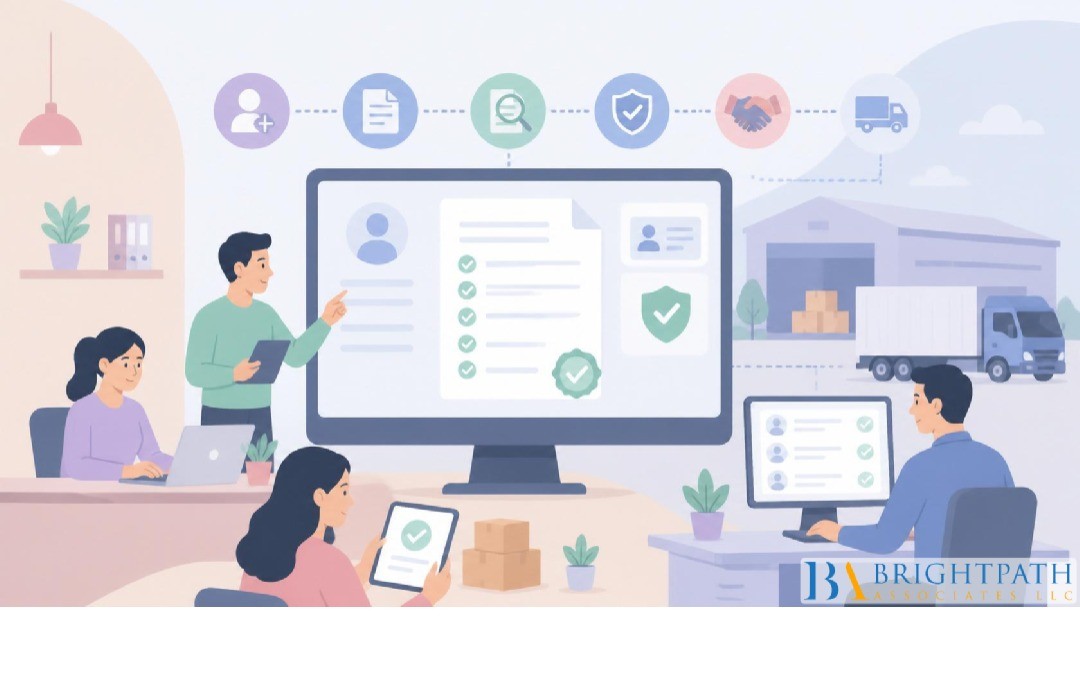
Automation offers a promising solution to the challenges faced by small freight firms. By utilizing delivery technology, these companies can automate the carrier onboarding process, reducing the need for manual intervention and minimizing the risk of human error. #AutomationStreamlines data collection, verification, and integration, allowing for a more seamless and efficient onboarding experience.
For example, automated systems can instantly verify carrier credentials, insurance information, and compliance with industry regulations. This not only speeds up the onboarding process but also ensures that all necessary documentation is accurate and up-to-date. Additionally, automated systems can provide real-time updates and notifications, keeping all stakeholders informed and engaged throughout the onboarding process.
Enhancing Efficiency with Delivery Technology
The integration of delivery technology into carrier onboarding processes can significantly enhance efficiency. Automated platforms can quickly analyze data from various sources, providing valuable insights into carrier performance and reliability. This data-driven approach enables freight brokerage services to make informed decisions, selecting the best carriers for specific shipping needs.
Moreover, delivery technology facilitates seamless communication between all parties involved in the transportation of goods. By providing a centralized platform for communication and information sharing, small freight firms can improve collaboration and coordination, leading to more efficient operations and improved service delivery.
The Role of E-commerce Logistics
The rise of e-commerce has further underscored the need for efficient carrier onboarding processes. As #ConsumerExpectations continue to rise, driven by the demand for faster and more reliable parcel delivery, small freight firms must adapt to meet these new standards. E-commerce logistics require a more agile and responsive approach to carrier onboarding, one that can quickly adapt to changing demands and fluctuating shipping volumes.
Automation plays a crucial role in meeting these demands, enabling small freight firms to scale their operations and respond quickly to market changes. By automating the onboarding process, companies can ensure that they have a reliable network of carriers ready to meet the demands of the e-commerce sector.
Attracting Tech Talent in the Delivery Sector
As technology continues to reshape the delivery sector, the demand for skilled professionals in delivery sector tech talent is on the rise. Small freight firms must recognize the importance of attracting and retaining top tech talent to stay competitive. This involves investing in modern technologies, offering professional development opportunities, and fostering an innovative and inclusive work environment.
Recruiting skilled professionals with expertise in automation and delivery technology is essential for the successful implementation of automated onboarding processes. An effective #ExecutiveSearchRecruitment strategy can help small freight firms identify and attract the right talent, ensuring that they have the skills and expertise needed to drive technological innovation and enhance operational efficiency.
Transportation Industry Trends Shaping the Future
The transportation industry is undergoing significant transformations, driven by advancements in technology and shifting consumer expectations. As small freight firms navigate these changes, staying informed about transportation industry trends is crucial. From the rise of autonomous vehicles to the increasing emphasis on sustainability, these trends are reshaping the way goods are transported and delivered.
Automation is a key trend that is set to redefine carrier onboarding processes. As technology continues to evolve, small freight firms must embrace these changes, leveraging automation to enhance efficiency, reduce costs, and improve service delivery. By staying ahead of industry trends, companies can position themselves for success in an increasingly competitive marketplace.
The Benefits of Automating Carrier Onboarding
#AutomatingCarrier onboarding offers numerous benefits for small freight firms. Firstly, it reduces the time and effort required to onboard new carriers, allowing companies to focus on core business activities. Secondly, automation enhances accuracy and compliance, minimizing the risk of errors and ensuring that all necessary documentation is in order.
Moreover, automating carrier onboarding can lead to cost savings. By streamlining processes and improving efficiency, small freight firms can reduce operational costs and improve profitability. Additionally, automation can enhance customer satisfaction by ensuring timely and reliable parcel delivery, meeting the expectations of both businesses and consumers.
Overcoming Challenges in Automation Implementation
While the benefits of automation are clear, implementing automated systems can present challenges for small freight firms. These challenges may include the initial investment in technology, the need for training and development, and the potential resistance to change among employees. However, with careful planning and a strategic approach, these challenges can be overcome.
Small freight firms should start by conducting a thorough assessment of their current onboarding processes, identifying areas for improvement and opportunities for automation. It is also important to engage employees in the process, providing training and support to ensure a smooth transition to automated systems. By fostering a culture of innovation and collaboration, small freight firms can successfully implement automation and reap the benefits of enhanced efficiency and improved service delivery.
Conclusion
In conclusion, the transition from manual to automated carrier onboarding represents a significant opportunity for small freight firms to enhance their operations and remain competitive in the ever-evolving transportation industry. By embracing #DeliveryTechnology and leveraging automation, these companies can streamline processes, reduce costs, and improve service delivery. As e-commerce logistics continue to grow and consumer expectations rise, automating carrier onboarding is not only a strategic advantage but a necessity for success in the modern delivery industry. By staying informed about industry trends and investing in tech talent, small freight firms can position themselves for a prosperous future in the dynamic world of freight shipping.
Find your next leadership role in Packaging and Freight Industry today!
Stay informed with the latest insights on Packaging and Freight Industry!