
Introduction
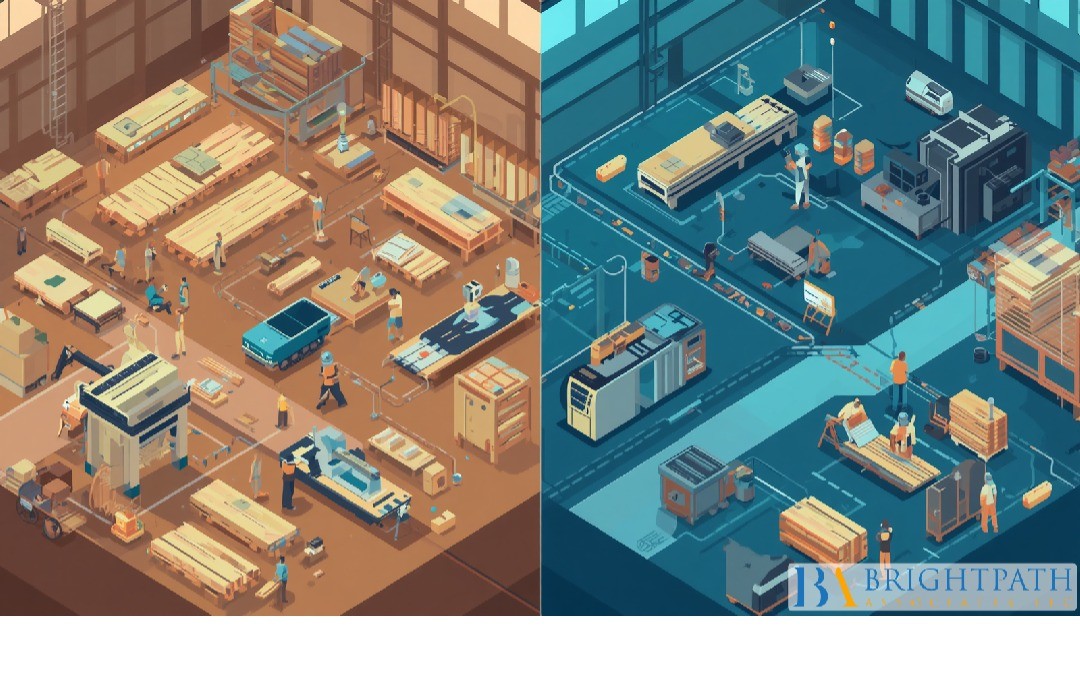
In recent years, the #WoodProductsManufacturing industry has experienced a remarkable transformation, driven by the rapid advance of digital technologies. This transformation is not just a passing trend; it represents a fundamental shift towards more efficient, sustainable, and innovative practices. As the industry moves beyond legacy systems, digitalization is unlocking new opportunities in areas such as forest product innovation, timber harvesting, and paper recycling solutions. This article explores the key drivers of digitalization in wood products manufacturing and examines how these changes are impacting various facets of the industry.
The Shift from Legacy Systems
Traditionally, the wood products manufacturing industry relied heavily on legacy systems that were often inflexible and inefficient. These systems, which have been used for decades, are increasingly seen as barriers to innovation and progress. They limit the industry’s ability to respond quickly to changing market demands and new regulatory requirements. As a result, companies are seeking to replace these outdated systems with more modern, digital solutions that can streamline operations and improve productivity.
Embracing Digital Transformation
#DigitalTransformation in the wood products manufacturing industry involves integrating advanced technologies such as the Internet of Things (IoT), artificial intelligence (AI), and data analytics into the production process. These technologies enable companies to automate routine tasks, optimize resource management, and enhance decision-making processes. For instance, AI-driven systems can analyze vast amounts of data to identify patterns and trends, allowing manufacturers to predict equipment failures, optimize production schedules, and reduce waste.
Forest Product Innovation
One of the most significant impacts of digitalization is its role in forest product innovation. By leveraging digital tools, manufacturers can develop new products and materials that are more sustainable and efficient. This innovation is particularly crucial in the context of growing environmental concerns and the need for sustainable materials. Advanced technologies enable the development of engineered wood products that offer superior strength and durability while reducing the environmental impact.
Paper and Pulp Technology Advancements
Digitalization is also transforming the paper and pulp #TechnologySector. By adopting cutting-edge technologies, companies can enhance the efficiency of their operations and reduce energy consumption. For example, smart sensors and IoT devices can monitor and control the production process in real-time, ensuring optimal performance and minimal waste. Additionally, data analytics can help companies optimize their supply chain management, leading to cost savings and improved competitiveness.
Paper Recycling Solutions
With increasing pressure to adopt sustainable practices, paper recycling solutions have become a focal point for the industry. Digital technologies play a critical role in optimizing recycling processes, ensuring that materials are efficiently sorted, processed, and reused. Innovations in sorting technologies, powered by AI and machine learning, allow for more precise separation of recyclable materials, thereby increasing the quality and yield of recycled products. These advancements contribute to the circular economy, reducing the need for virgin materials and lowering the industry’s carbon footprint.
Timber Harvesting and Lumber Industry Trends
#TimberHarvesting has traditionally been a labor-intensive and environmentally challenging process. However, digitalization is revolutionizing this aspect of the industry by introducing more efficient and sustainable methods. Advanced technologies enable precise mapping and monitoring of forests, allowing for better planning and execution of harvesting activities. This precision not only improves yield and reduces waste but also minimizes the environmental impact of logging operations.
In the broader lumber industry, trends are shifting towards more sustainable and innovative practices. Companies are increasingly adopting digital tools to enhance their supply chain management and improve product quality. These trends are driven by consumer demand for environmentally friendly products and the need to comply with stringent forestry regulations.
Navigating Forestry Regulations
As digitalization progresses, compliance with forestry regulations becomes more manageable. Digital tools provide companies with the ability to monitor and document their practices, ensuring adherence to environmental and safety standards. This capability is particularly important as governments worldwide implement stricter regulations to protect natural resources and promote sustainable forestry practices. By leveraging technology, companies can not only comply with these regulations but also demonstrate their commitment to environmental stewardship.
The Economics of the Paper Industry
The #PaperIndustry is undergoing a significant transformation as digitalization reshapes its economic landscape. Companies are finding new ways to reduce costs and enhance efficiency through the adoption of digital technologies. Improved automation and data-driven decision-making enable companies to optimize their production processes and reduce waste. Additionally, the ability to offer innovative and sustainable products can provide a competitive edge in a market that is increasingly focused on environmental responsibility.
The Future of Wood Product Manufacturing
The future of wood product manufacturing lies in the continued integration of digital technologies into every aspect of the production process. As companies embrace digitalization, they will be better positioned to innovate, optimize, and grow in a rapidly changing market. This transformation will not only improve operational efficiency but also enable the development of sustainable materials that meet the demands of modern consumers.
The shift towards digitalization is also driving changes in the workforce. As the industry evolves, there is an increasing need for skilled professionals who can navigate the complexities of digital systems. #ExecutiveSearchRecruitment plays a crucial role in identifying and attracting the talent required to drive this transformation. By bringing in experts who understand both the technological and industrial aspects of the industry, companies can ensure a successful transition to a digital future.
Conclusion
Digitalization is reshaping the wood products manufacturing industry, driving innovation, efficiency, and sustainability. As companies move beyond legacy systems, they are harnessing the power of digital technologies to transform their operations and meet the challenges of the modern market. From forest product innovation to paper recycling solutions, the impact of digitalization is far-reaching, offering new opportunities for growth and success. The future of the industry is bright, with digitalization paving the way for a more sustainable and prosperous era in wood product manufacturing.
Find your next leadership role in Paper & Forest Products Industry today!
Stay informed with the latest insights on Paper & Forest Products Industry!