
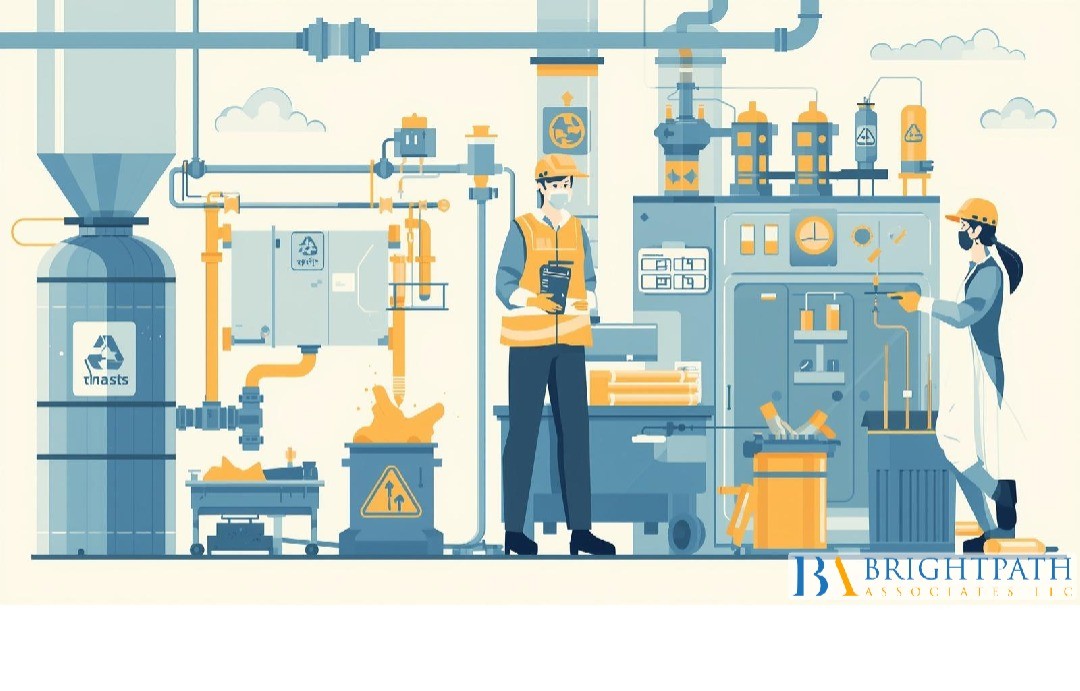
The Strategic Importance of Chemical Waste Management
#ChemicalWasteDisposal has evolved from a regulatory obligation into a strategic priority for small to mid-sized chemical plants. As environmental regulations tighten and sustainability expectations rise, waste management now directly influences operational continuity, financial stability, and brand credibility. Between 2023 and 2025, regulatory bodies across major manufacturing regions have increased inspections and penalties, making ineffective waste handling a material business risk rather than a compliance footnote. For executive leadership, waste disposal practices are increasingly viewed as a reflection of governance quality and operational discipline.
Rising Regulatory Pressure and Compliance Complexity
The chemical industry remains one of the most closely regulated sectors due to the environmental and health risks associated with hazardous materials. Industry data indicates that non-compliance penalties related to chemical waste disposal have risen steadily over the past three years, with smaller plants often facing disproportionate consequences due to limited compliance infrastructure. Regulations governing hazardous waste storage, transportation, and treatment require continuous monitoring and documentation, creating a complex compliance landscape that demands strong leadership oversight. Executives must now ensure that waste disposal frameworks are not only compliant but resilient enough to adapt to evolving regulatory standards.
Waste Segregation and Process-Level Optimization
Effective chemical waste disposal begins with accurate waste identification and segregation at the source. Differentiating hazardous, non-hazardous, recyclable, and recoverable #WasteStreams reduces treatment costs and minimizes environmental risk. Small chemical plants that invest in structured segregation protocols consistently report improved efficiency and lower disposal expenses. Process-level optimization further strengthens waste management outcomes by reducing byproduct generation through improved chemical reactions, material substitutions, and equipment upgrades. These practices require alignment between chemical engineering teams and executive leadership to ensure long-term consistency.
Technology-Driven Monitoring and Control Systems
Digital tools have become increasingly accessible to small and mid-sized chemical manufacturers, enabling real-time monitoring of emissions, effluents, and waste volumes. Automated tracking systems enhance reporting accuracy, support regulatory audits, and allow faster intervention when deviations occur. However, technology alone does not guarantee compliance. Its effectiveness depends on leadership’s ability to interpret data, allocate resources, and enforce accountability across departments. Plants with digitally enabled waste management systems consistently outperform peers when supported by experienced operational leadership.
Supply Chain Disruptions and Waste Variability
Ongoing disruptions in the #ChemicalSupplyChain have altered raw material quality and availability, leading to increased variability in waste composition. This unpredictability places additional pressure on waste treatment and disposal processes. Plants lacking adaptive waste strategies face higher operational costs and compliance risks. Forward-looking chemical companies address this challenge by integrating waste planning into procurement and supply chain decisions, ensuring disposal methods remain aligned with changing input materials. This integrated approach reflects a broader trend toward supply chain-aware waste management.
Sustainability Expectations and Market Pressure
Sustainability has moved from a voluntary initiative to a market expectation. Customers, investors, and regulators increasingly assess chemical companies based on environmental performance, including waste disposal practices. Poor waste management can limit access to capital, reduce competitiveness, and damage stakeholder trust. Conversely, companies that demonstrate strong environmental stewardship often benefit from improved market positioning and long-term resilience. Executives must therefore view waste disposal as a strategic investment rather than a cost center.
Leadership Talent Gaps in Chemical Operations
Despite growing complexity, the chemical industry continues to face a shortage of leaders equipped to manage modern waste disposal challenges. Many experienced plant managers and compliance leaders are nearing retirement, while emerging talent often lacks exposure to integrated operations, regulatory governance, and #SustainabilityStrategy. This leadership gap is particularly acute in small to mid-sized plants, where roles are often consolidated and resources limited. Without capable leadership, even well-designed waste management systems fail to deliver consistent results.
Evolving Executive Role Expectations from 2023 to 2025
Executive roles within chemical manufacturing have expanded significantly in recent years. Leaders are now expected to balance chemical production efficiency with regulatory compliance, environmental risk management, and long-term sustainability goals. Waste disposal oversight has become a core executive responsibility rather than a delegated operational task. Organizations that fail to adapt leadership expectations risk operational disruptions, regulatory penalties, and reputational harm. This shift has fundamentally altered how chemical companies approach executive hiring.
Strategic Recruitment as a Competitive Advantage
#TraditionalHiringApproaches often fall short when sourcing leaders capable of navigating complex chemical plant operations. Many qualified executives with experience in chemical waste disposal, compliance, and process optimization are passive candidates, not actively seeking new roles. Executive search recruitment has therefore become an essential strategy for identifying and securing leadership talent with the right technical expertise and strategic mindset. This targeted recruitment approach enables chemical companies to reduce hiring risk and strengthen long-term leadership stability.
The Role of Executive Search Recruitment in Waste Governance
#ExecutiveSearchRecruitment supports chemical companies by aligning leadership capabilities with operational and compliance demands. Firms such as Brightpath Associates specialize in identifying executives who understand the regulatory landscape, chemical engineering fundamentals, and sustainability imperatives shaping modern manufacturing. By focusing on leadership fit rather than volume hiring, executive search recruitment helps organizations build management teams capable of driving effective waste disposal practices while supporting broader business objectives.
Financial Impact of Effective Waste Disposal Leadership
Inefficient waste disposal practices can significantly increase operating costs through higher treatment fees, unplanned downtime, and regulatory penalties. In contrast, chemical plants led by experienced executives often achieve measurable cost savings through waste reduction, material recovery, and process improvements. These financial benefits directly impact margins and competitiveness in an industry characterized by tight cost controls and fluctuating input prices. Leadership quality remains a decisive factor in realizing these gains.
Building Long-Term Resilience Through Leadership Investment
Chemical waste disposal is no longer a standalone operational function. It is a strategic indicator of organizational resilience, #GovernanceMaturity, and leadership effectiveness. Small to mid-sized chemical companies that proactively address leadership gaps position themselves to navigate regulatory change, supply chain volatility, and sustainability demands more effectively. Executive search recruitment serves as a critical enabler in this process, ensuring that leadership teams are equipped to manage both present challenges and future industry shifts.
Find your next leadership role in Chemical Industry today!
Stay informed with the latest insights on Chemical Industry!