
Introduction
In recent years, the #UtilityIndustry has been undergoing a significant transformation, driven by the need for more efficient, sustainable, and reliable energy solutions. This transformation is largely fueled by advancements in automation and technology, shaping new utility industry trends. As the world moves towards a cleaner and more sustainable future, the integration of automation within utility operations is becoming not only beneficial but essential.
The Role of Automation in Utility Operations
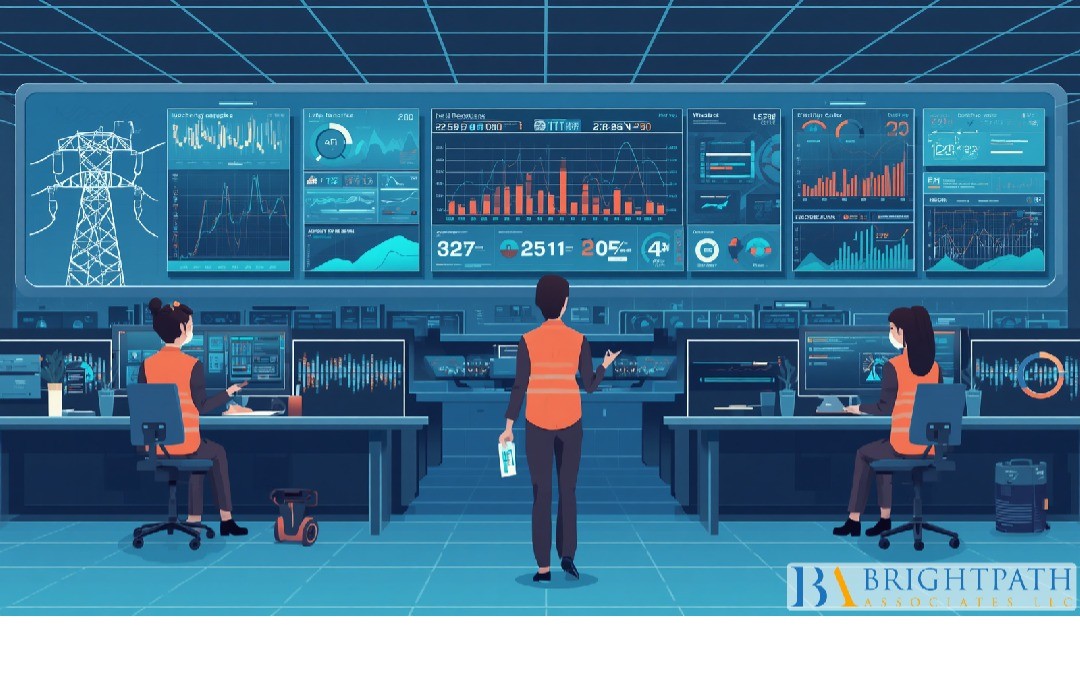
Automation in utility operations refers to the use of technology to perform tasks that were traditionally done manually. This includes everything from monitoring and controlling energy distribution systems to managing customer interactions. The integration of automation within utilities is reshaping the landscape, leading to improved efficiency, reduced operational costs, and enhanced service reliability.
#UtilityCompanies are increasingly adopting suitable utility solutions to optimize their operations. Automation technologies such as smart meters, sensors, and advanced grid management systems are enabling utilities to monitor energy consumption in real-time, predict demand patterns, and efficiently manage energy distribution. These technologies are not just improving operational efficiency but also empowering consumers to make informed energy choices.
Innovation in utility technology is at the forefront of the industry’s transformation. Technologies such as artificial intelligence, machine learning, and the Internet of Things (IoT) are being leveraged to develop smarter and more responsive utility systems. These innovations are enabling utilities to foresee and mitigate potential issues before they escalate into major problems, thereby ensuring a continuous and reliable power supply.
Integration of Renewable Energy
The shift towards renewable energy is a pivotal aspect of the utilities industry trends. With the increasing demand for clean energy, utilities are investing heavily in renewable energy sources such as solar, wind, and hydroelectric power. Automation plays a crucial role in managing these renewable energy utilities by optimizing their integration into the existing power grid and ensuring a stable energy supply.
A robust renewable energy strategy is essential for utility companies aiming to transition towards sustainable energy solutions. This includes investing in renewable energy infrastructure, developing smart grids, and implementing energy storage solutions. By incorporating these strategies, utilities can enhance their energy mix, reduce carbon emissions, and contribute to a more sustainable future.
#EnergyStorageSolutions are becoming increasingly important in the management of renewable energy. These solutions allow for the storage of excess energy produced during peak times, which can then be used when energy production is low. Technologies such as lithium-ion batteries, pumped hydroelectric storage, and thermal storage are being widely adopted to improve energy reliability and efficiency.
The Impact on Utility Consulting Services
As the utility industry evolves, the demand for specialized utility consulting services is on the rise. These services provide expert guidance to utilities in navigating the complexities of automation and renewable energy integration. Consulting firms offer strategic insights, technological expertise, and implementation support to help utilities achieve their operational and sustainability goals.
The changing landscape of the utility industry is also impacting workforce dynamics, leading to an increased focus on #ExecutiveSearchRecruitment. As utilities adopt new technologies and strategies, there is a growing need for skilled leaders who can drive innovation and manage the transition to automated, sustainable operations. Recruitment services play a crucial role in identifying and placing top talent in key leadership positions within the industry.
While automation offers numerous benefits to utility operations, it also presents several challenges. One of the primary concerns is the potential impact on employment, as automation may lead to job displacement in certain areas. However, it also creates new opportunities for skilled workers in areas such as technology development, data analysis, and system maintenance.
Another challenge is ensuring the security and reliability of automated systems. As utilities become increasingly dependent on technology, the risk of cyberattacks and system failures becomes more pronounced. Therefore, it is imperative for utility companies to invest in robust cybersecurity measures and system resilience to safeguard their operations.
Conclusion
Automation is undeniably transforming the future of utility operations, offering significant benefits in terms of efficiency, sustainability, and reliability. By embracing suitable utility solutions and innovative technologies, utilities are better equipped to meet the challenges of a rapidly changing energy landscape. Moreover, the integration of automation with renewable energy strategies is paving the way for a cleaner and more sustainable future.
The utility industry must continue to adapt to these changes, leveraging utility consulting services and executive search recruitment to navigate the evolving landscape. As the industry progresses, the focus should remain on developing resilient systems, fostering innovation, and ensuring a sustainable and reliable energy supply for future generations. In this way, automation will not only enhance utility operations but also contribute to a broader global effort towards environmental stewardship and sustainable development.
Find your next leadership role in Utilities Industry today!
Stay informed with the latest insights on Utilities Industry!