
Introduction
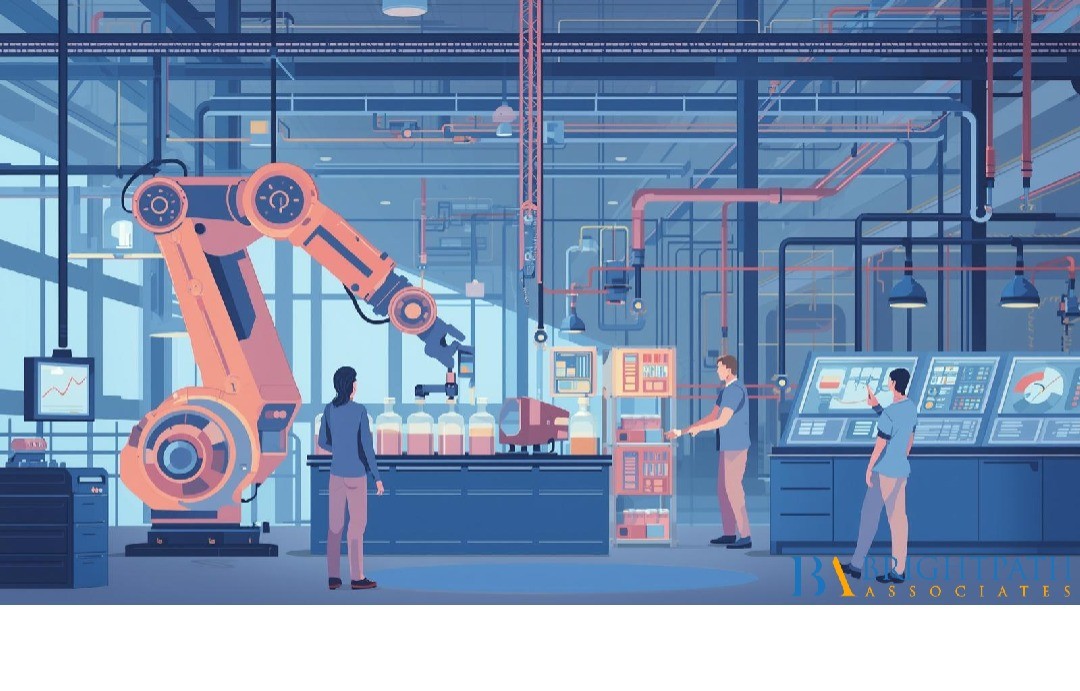
Automation and robotics are revolutionizing many sectors, and the #ChemicalProductionIndustry is no exception. These advanced technologies are crucial in dealing with the increasingly complex chemical processes and meeting the growing demands for higher efficiency, cost-effectiveness, and sustainability. For C-suite executives and founders, a comprehensive understanding of the role of automation in chemical production is essential to maintaining a competitive edge in a rapidly evolving marketplace. Embracing these technologies can lead to significant enhancements in operational efficiencies, optimization of chemical plant operations, and alignment with sustainable practices—key areas that decision-makers in small to mid-sized chemical companies are increasingly prioritizing. As the industry progresses, the successful integration of such innovations will not only improve productivity but also foster a culture that embraces continuous improvement and adaptability.
Current Trends in Chemical Manufacturing
The chemical manufacturing industry is witnessing significant transformations with the incorporation of robotics into chemical processes. Robotics offers precision and increased safety, which are essential in handling hazardous materials, thereby reducing the risks associated with human operations. These robotic systems enhance operational safety through automation of monotonous tasks, minimizing human exposure to potentially dangerous environments. Alongside these advancements, improvements in chemical engineering, driven by automation technology, facilitate enhanced efficiency in production scheduling and process control, which in turn boosts the overall output quality. Advanced analytics and machine learning algorithms are now being employed to predict and respond to deviations in production processes in real-time, thus enhancing decision-making capabilities. As a result, the chemical supply chain experiences a smoother flow, effectively minimizing interruptions that can affect production timelines and product delivery commitment. These technological shifts necessitate that industry players remain continuously adaptive, informed, and strategic about how they can best integrate these solutions to meet market demands effectively.
Industry Benefits and Opportunities
The adoption of automation in #ChemicalPlants leads to considerable benefits that are both immediate and long-term, prominently in process optimization. Efficiency in chemical operations is critical to maintaining cost-effectiveness; therefore, automation plays a vital role in minimizing waste, reducing energy consumption, and optimizing resource utilization across processes. With automation, data collection becomes more streamlined, enabling organizations to leverage this data to further improve their processes. Sustainable chemical production emerges as another significant opportunity facilitated by automation, with processes becoming more environmentally friendly and less resource-intensive. For instance, innovations in automation technology allow for continuous monitoring and adjusting of energy usage, allowing factories to lower carbon footprints significantly. Nevertheless, while the advantages of automation are expansive, these technologies pose challenges that require careful consideration regarding compliance. The chemical industry is heavily regulated to ensure safety and environmental standards, and staying compliant while integrating new technologies remains a pressing challenge that demands clear strategies, innovative thinking, and robust solutions to navigate effectively.
Challenges and Risks
One of the primary challenges confronting the chemical industry is ensuring compliance with regulatory standards while implementing new automated processes. Automation complicates compliance efforts as it mandates thorough validation and adherence to stringent guidelines to maintain safety and quality standards. Furthermore, overcoming operational obstacles in chemical plants typically involves addressing technical glitches, system integration issues, and modifying existing infrastructure to accommodate new robotics systems. These changes often require substantial investment in training and infrastructure upgrades, adding to the complexity of implementation. Additionally, the leadership and talent gap poses significant risks within the industry. As chemical companies navigate these advanced technologies, the demand for specialized skills and strategic leadership capabilities escalates, revealing critical gaps in existing talent pools. Organizations may find it increasingly challenging to attract and retain professionals who possess the necessary expertise in both chemical engineering and cutting-edge technology. Therefore, fostering an environment that promotes ongoing education and skill development is essential to mitigate these challenges.
Recruitment and Leadership in Chemical Engineering
With the evolving dynamics in chemical production, the process of #ExecutiveSearchRecruitment becomes an invaluable tool in bridging these leadership gaps. The strategic role of executive search agencies lies in their ability to identify suitable candidates who can not only adapt to rapidly changing technologies but also lead organizations through this transformation with insight and efficacy. By addressing leadership talent shortages with precision, these agencies help companies effectively implement necessary changes that are crucial for success in an increasingly competitive landscape. Moreover, role expectations from 2023 to 2025 are shifting markedly, with a growing emphasis on innovative thinking, technological fluency, and the ability to anticipate market trends. Executives will also need to be adept in cultivating collaborative environments that encourage cross-functional teamwork and agile responsiveness to market shifts, ensuring that their firms remain at the forefront of the industry. Therefore, investing in leadership development and fostering a culture that values continued learning will be vital for organizational success.
Case Studies and Industry Examples
Several companies have already successfully adopted automation technologies, becoming benchmarks for others in the industry. For example, many leading firms have implemented automated systems that utilize real-time data analytics to monitor production quality, leading to enhanced efficiency and reduced operational costs. Data-backed case studies demonstrate improved efficiencies and lower operating expenses, providing clear proof of the effectiveness of integrating robotics into chemical production firms. These examples not only highlight tangible business outcomes but also offer essential insights and guidance on best practices for other companies looking to initiate or enhance their automation strategies. Through structured learning and adapting from these successful case studies, organizations can navigate the complexities of automation implementation more effectively, ensuring that they reap the full benefits of these advanced technologies while minimizing risks.
Conclusion
The integration of #AdvancedTechnology with human resources is a pivotal step toward modernizing chemical manufacturing for the future. As the strategic evolution within the industry continues to unfold, companies must embrace automation technologies holistically, ensuring that they are coupled with the right human expertise. By doing so, they can foster a productive work environment that empowers employees to excel in their roles. In summary, addressing leadership gaps through strategic recruitment plays a crucial role as organizations strive toward a more efficient, sustainable, and compliant future in the chemical industry. Moving forward, it is imperative for industry stakeholders to maintain a forward-thinking approach, ensuring that the chemical sector continually adapts to technological advancements, while effectively addressing regulatory demands and harnessing the potential of a skilled workforce.
References
BrightPath Associates
This firm plays a central role in recruitment and staffing within the chemical industry, offering executive search solutions that tackle leadership challenges efficiently, bridging the gap between technological innovation and human capital.
Additional Resources
Relevant articles and industry reports provide further insights into automation and robotics in chemical production, offering guidance and strategic advice for industry players on navigating the complexities of this transformative era. By leveraging these resources, stakeholders can enhance their understanding and implementation of automation strategies, ensuring that they remain competitive and responsive to market needs.
Find your next leadership role in Chemical Industry today!
Stay informed with the latest insights on Chemical Industry!