
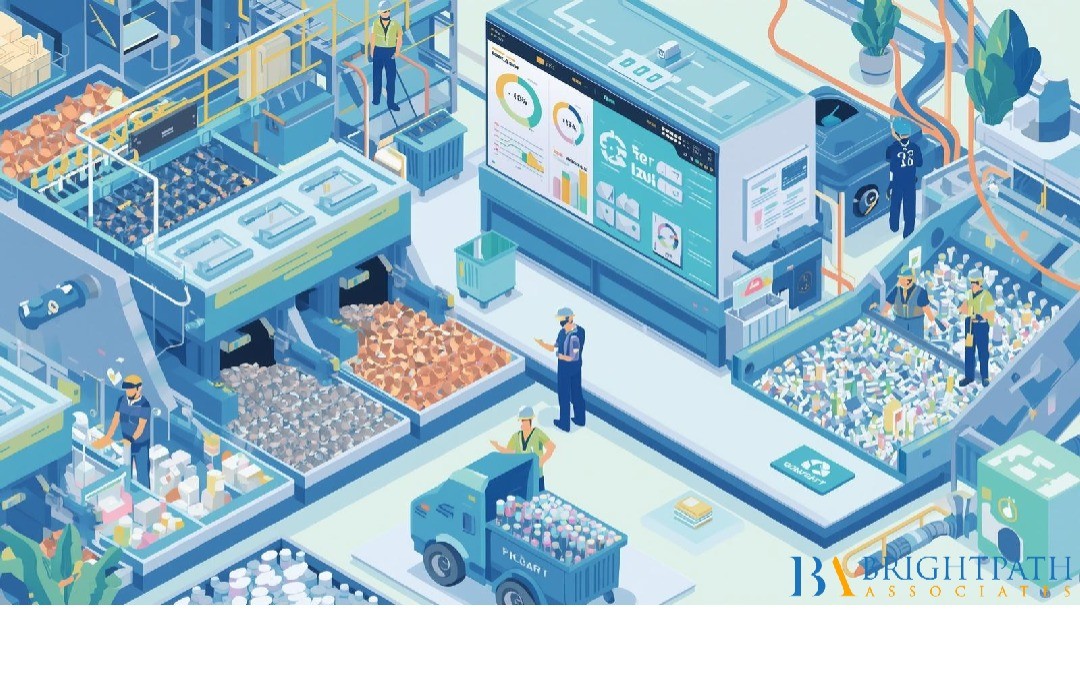
Introduction to the Importance of Waste Management Automation
In today’s rapidly evolving industrial landscape, organizations across the globe are seeking innovative ways to enhance efficiency and reduce operational costs. This pivot is particularly noticeable within the #WasteManagementSector, where traditional practices are increasingly relinquishing their hold in favor of automated solutions. The need for automation has become imperative not just to streamline operations, but also to address the increasing volumes of waste generated by municipalities and industries alike. As urban populations grow and consumption patterns shift, the consequent rise in waste levels presents a formidable challenge. This shift towards automation is crucial in overcoming the challenges that conventional waste management practices pose, including inefficiencies, higher operational costs, and environmental concerns. By embracing automation, organizations are better positioned to not only meet current demands but also anticipate future needs, ensuring that they remain competitive in an increasingly eco-conscious market.
Industry Trends in Waste Management Automation
The utility industry is gradually embracing technological advancements to revolutionize waste management processes, aligning with broader utility industry trends that emphasize sustainability and efficiency. Several case studies have showcased successful implementations of automated waste management systems accentuating their transformative potential. These systems utilize a variety of innovations—ranging from robotics and sensor technologies to sophisticated data analytics—to significantly improve waste sorting, recycling, and disposal processes. Companies like Waste Management, Inc. and Republic Services have taken bold steps, pioneering the integration of suitable utility solutions that enhance automation in the waste management lifecycle. This includes implementing smart bins equipped with sensors to monitor fill levels, thereby optimizing collection routes and schedules, which leads to substantial fuel savings. Moreover, these initiatives signal a broader movement within the industry towards enhancing efficiency and reducing costs through technology-driven solutions, fostering a more sustainable waste management model that benefits both companies and communities.
Technological Innovations Driving Automation
#TechnologicalAdvancements play a pivotal role in the automation of waste management, creating a paradigm shift in how waste is processed and managed. Utility technology innovations like the Internet of Things (IoT), artificial intelligence (AI), and machine learning are driving tremendous changes in operational modalities, enhancing the ability to predict trends and streamline processes. These technologies enable real-time monitoring, predictive maintenance, and data-driven decision-making, all contributing to optimized operations. For instance, IoT devices track waste collection vehicles and send alerts for maintenance when straining occurs, reducing downtime. Digital transformation utilities are integral to augmenting waste management processes by providing comprehensive frameworks for integrating various technology solutions seamlessly. Furthermore, advancements in energy storage solutions are helping to power these innovative systems, ensuring that operations remain uninterrupted while also reducing energy consumption. The incorporation of renewable energy sources such as solar panels into waste management facilities not only lowers operating costs but also enhances the overall sustainability of the waste management process.
Benefits of Automating Waste Management
The benefits of automating waste management extend far beyond mere operational enhancements. Cost savings through automation are evident as organizations significantly reduce labor costs and minimize inefficiencies associated with manual processes. Automated systems streamline waste sorting and processing, thereby improving operational efficiency and waste diversion rates, which reflects positively not only on the company’s bottom line but also on social responsibility metrics. Additionally, these systems contribute to achieving utilities’ renewable energy goals by reducing carbon emissions and supporting enhanced recycling initiatives. Power and renewable energy utilities can leverage automated systems to bolster their sustainability efforts, ultimately supporting global environmental objectives. As industries increasingly shift towards circular economy principles, the role of automation becomes vital in ensuring that resources are optimally utilized, refurbished, and redirected back into the production cycle, reducing overall waste output.
The Role of Executive Search Recruitment in Waste Management Automation
As the waste management sector continues to evolve, the expertise and leadership required must keep pace with emergent trends and technologies. #ExecutiveSearchRecruitment is crucial in addressing leadership talent shortages and finding leaders who can passionately drive change towards automation. This aspect goes beyond just filling vacancies; it involves identifying transformational leaders equipped with the foresight to navigate shifts towards a more automated horizon. Recruitment practices within the utility and renewable energy industry have evolved strategically to emphasize the importance of identifying individuals with a solid understanding of both the technological and environmental aspects of waste management. Such leaders must not only embrace innovation but also champion a cultural shift within their organizations that prioritizes technological integration. Thoughtful leadership recruitment ensures that companies are positioned to navigate the complexities of automated waste management effectively, fostering an agile organizational structure responsive to both challenges and opportunities.
Challenges and Solutions in Implementing Automation
Despite the pronounced advantages of automation, companies often encounter barriers during the adoption process. Common challenges can include high initial costs associated with technology acquisition, substantial resistance to change from employees accustomed to traditional processes, and the technical complexities of integrating new systems into existing infrastructures. These barriers can pose significant risks, but with strategic planning, they can be effectively surmounted. However, utility consulting services offer invaluable guidance in overcoming these hurdles. These specialized services provide strategic insights, practical advice, and bespoke solutions for implementing and integrating automated systems successfully, ensuring a smooth transition from traditional to modern practices. By adopting tailored strategies, organizations can overcome these challenges and more fully capitalize on the benefits of automation, ultimately paving a smoother pathway towards innovation.
The Future of Waste Management Automation
Looking ahead, the future of #WasteManagementAutomation is set to be shaped by continuous technological innovation and the integration of renewable energy utilities to meet the evolving demands of a growing population. As technologies evolve, the waste management industry is poised for transformative changes that promise increased efficiency, sustainability, and enhanced resource recovery. Emerging technologies such as blockchain could significantly improve tracking and transparency in waste management, ensuring accountability and fostering higher levels of public trust. Executive search recruitment will continue to play a critical role in ensuring leadership continuity, equipping companies with the visionary leadership needed to drive the industry forward. As organizations face the challenges of climate change, the quest for sustainable waste solutions will direct the trajectory of both industries and recruitment practices alike.
Conclusion
In conclusion, automating waste management is not just a technological advancement but a necessary evolution for the industry, reflecting a broader shift towards sustainable practices. It offers substantial benefits in terms of efficiency, cost savings, and environmental sustainability—all of which align with broader utility industry trends. The contributions of power and renewable energy utilities in supporting these advancements cannot be overstated, as their involvement is pivotal in pioneering new standards of practice. As decision-makers in the C-suite and beyond consider future strategies, prioritizing innovative waste management solutions is paramount for long-term success and environmental stewardship. By embracing automation, the waste management industry can better meet the challenges of the 21st century, ensuring that it not only keeps pace with #TechnologicalDevelopments but also contributes positively to the planet’s future.
Find your next leadership role in Utilities and Renewable Energy Industry today!
Stay informed with the latest insights on Utilities and Renewable Energy Industry!