
Introduction
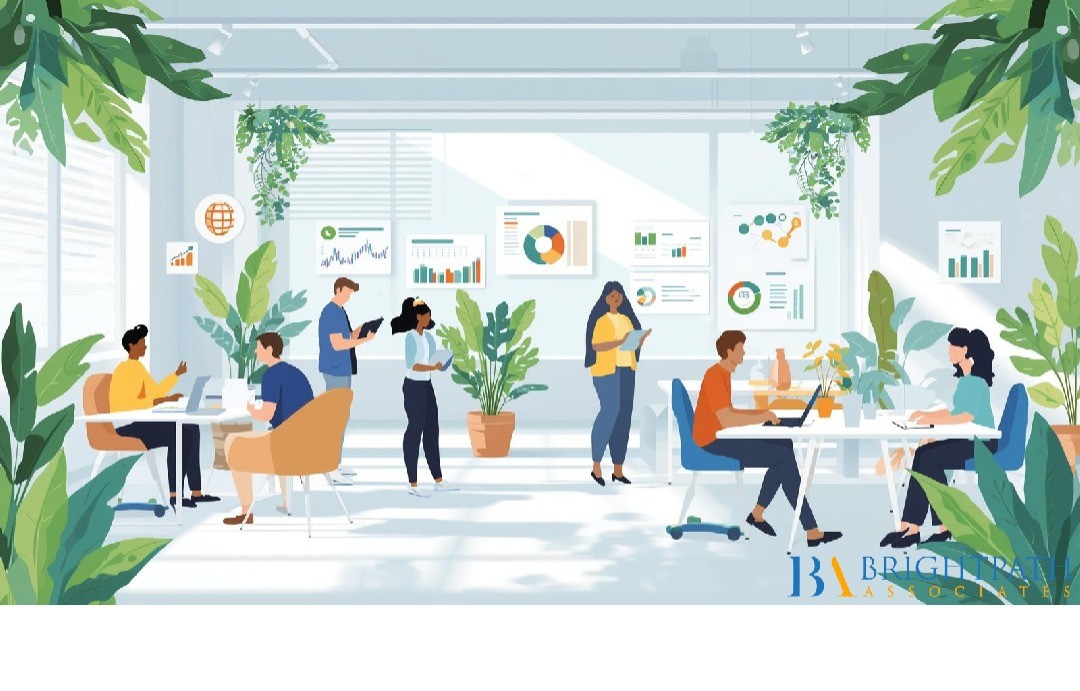
Amid today’s competitive business landscape, businesses are increasingly recognizing the importance of creating an attractive #OfficeEnvironment. This encompasses much more than just aesthetically pleasing décor; it involves a holistic approach that seamlessly integrates office design, organizational culture, and cutting-edge technology to enhance talent acquisition and retention. As the battle for securing top talent intensifies, companies are now more than ever reconsidering how their office environments can profoundly influence not only their recruitment strategies but also the overall satisfaction and well-being of their employees.
Office design and culture play pivotal roles in drawing in desirable candidates and retaining existing staff. A palpable cultural fit, along with an engaging workspace, forms the backbone of effective talent acquisition strategies. Recognizing this organizational necessity, many forward-thinking companies are keen on crafting spaces that are not only functional but also foster a rich sense of community and belonging among employees, thereby enhancing collaboration and morale.
Current industry trends, including remarkable advances in office technology and innovative commercial office furniture, are reshaping the way businesses think about their work environments. By adapting these trends creatively, companies can significantly enhance productivity and employee satisfaction, ultimately benefiting from reduced turnover rates and improved operational efficiency. The design of a workspace can even affect a company’s brand identity and public perception, making it crucial for organizations to invest thoughtfully in their office environments.
The Relationship Between Office Environments and Talent Retention
Office settings can significantly influence employee satisfaction and retention rates, acting as a mirror reflectively depicting the company’s values and priorities. A thoughtfully designed office environment can directly affect how employees feel about their workplace, impacting not only their engagement but also their overall productivity. Typically, key elements of a productive and engaging office include ergonomic office supplies that promote health and well-being, adaptable furniture layouts that encourage collaboration and communication, and the integration of office technology trends like smart meeting rooms and AI-driven planning tools that streamline operations and facilitate a more dynamic workplace.
Case studies of successful office environments reveal how leading companies have expertly leveraged modern design principles and progressive workplace culture to enhance employee satisfaction and retention. For instance, tech giants such as Google have long been known for their innovative and vibrant workspaces that not only prioritize function but also cater to employees’ well-being, creativity, and personal growth. These environments often include informal relaxation areas, game rooms, and collaborative spaces, all intended to stimulate creativity and foster collaboration, which have been shown to lead to higher job satisfaction.
Industry Trends and Their Impact on Office Environments
As #DigitalTransformation in offices continues to advance, current office technology trends are becoming increasingly prevalent. The integration of these technologies into office environments is vital in maintaining an edge over competitors in today’s fast-paced market. Innovations such as virtual conferencing tools, digital whiteboards, and cloud-based collaboration software are proving indispensable in modern office settings by enhancing communication and workflow efficiency.
The role of digital transformation in shaping office environments cannot be underestimated. With the incorporation of Artificial Intelligence (AI) and the Internet of Things (IoT), offices are becoming smarter and more efficient. These technologies allow companies to gather valuable data on employee usage patterns and preferences, enabling further refinements in office design and operations. Businesses that embrace these transformative changes not only foster a dynamic workplace but also gain significant advantages in terms of productivity and employee engagement.
Emerging supply chain trends are also impacting the procurement of office supplies and business equipment. With a growing emphasis on sustainability and cost-effectiveness, companies are revisiting how they source their office supply vendors. This trend highlights the critical importance of strategic procurement practices, ensuring that businesses remain resilient, adaptable, and environmentally responsible in the face of future disruptions in the supply chain—transforming sustainability from a buzzword into a core business value.
Strategic Office Design: Key Considerations
Commercial office furniture and layout play crucial roles in strategic office design and can drastically affect employee morale and efficiency. The right furniture not only supports health and productivity but also serves as an expression of company values and brand identity. #SustainablePractices are being increasingly incorporated into office environments as a means to foster corporate responsibility and attract eco-conscious talent that prioritizes working for companies aligned with their values.
Another key to sustaining an effective office environment is the regular maintenance of office equipment. Ensuring that all office equipment functions efficiently and reliably reduces instances of downtime and operational hiccups, thereby supporting business continuity and the smooth flow of workflows. Regularly scheduled maintenance also reinforces a culture of responsibility and care within the organization, signaling to employees that their workplace environment is valued and taken seriously by leadership.
Recruitment and Talent Acquisition Strategies
In addressing leadership gaps and shifting role expectations, #ExecutiveSearchRecruitment emerges as a crucial strategy for businesses seeking to maintain competitive advantage. This practice assists organizations in finding top-tier leadership that aligns perfectly with their strategic goals and organizational culture. Data-backed insights and industry statistics underscore how vital it is to adapt recruitment practices to align with changing industry dynamics and the evolution of role expectations from 2023 to 2025. Incorporating data analytics into the recruitment process allows companies to identify and attract candidates who not only possess the right skill sets but also fit well within company culture.
Aligning office culture with talent acquisition goals involves fostering a work environment that resonates with candidates’ career aspirations and core values. This strategic alignment ensures that talent acquisition strategies are proactive, appealing directly to the specific needs and expectations of potential hires, thereby effectively mitigating leadership gaps and enhancing overall organizational cohesion.
The Role of Office Supply Vendors and Procurement
The effectiveness of procurement processes directly affects the maintenance of the desired office environment. Partnering with reliable office supply vendors is essential for streamlined operations and comprehensive cost management. Such partnerships can enhance office management, ensuring that businesses have the necessary resources to consistently support productivity and employee satisfaction, cultivating a vibrant and sustainable workplace atmosphere.
Robust office supply chain management has far-reaching impacts on business operations and overall organizational health. Effective supply chain management ensures that businesses are not only responsive to market demands but also strategically prepared for sudden disruptions, thus securing operational stability and fostering resilience against unforeseen challenges.
Conclusion
In summarizing the key strategies for crafting office environments that attract and retain top talent, it’s clear that an integrated and multifaceted approach to design, culture, and technology is not just beneficial but necessary. Aligning office environments with overarching business goals and employee needs is an ongoing and adaptive process that requires commitment and strategic investment at every level of the organization.
For C-suite executives and founders, viewing office spaces as strategic assets can yield substantial returns in recruitment, retention, and overall #EmployeeSatisfaction transforming the workplace into an environment that inspires creativity and drive. By investing thoughtfully in such environments, companies can position themselves as employers of choice, equipped to thrive in an ever-evolving business landscape while nurturing a thriving talent pool poised for success.
Find your next leadership role in Business Supplies Industry today!
Stay informed with the latest insights on Business Supplies Industry!