
The oil and gas industry has long been the backbone of #GlobalEnergySupply, yet it is currently navigating a period of profound transformation. From innovations in pipeline construction and maintenance to shifting executive expectations, companies face a dual challenge: managing technological advancements while securing the leadership talent necessary to steer growth in an increasingly complex environment. For small to mid-sized oil and gas enterprises in the USA, the intersection of operational innovation and executive leadership presents both a pressing challenge and an unprecedented opportunity.
Technological Innovations Reshaping Pipeline Construction
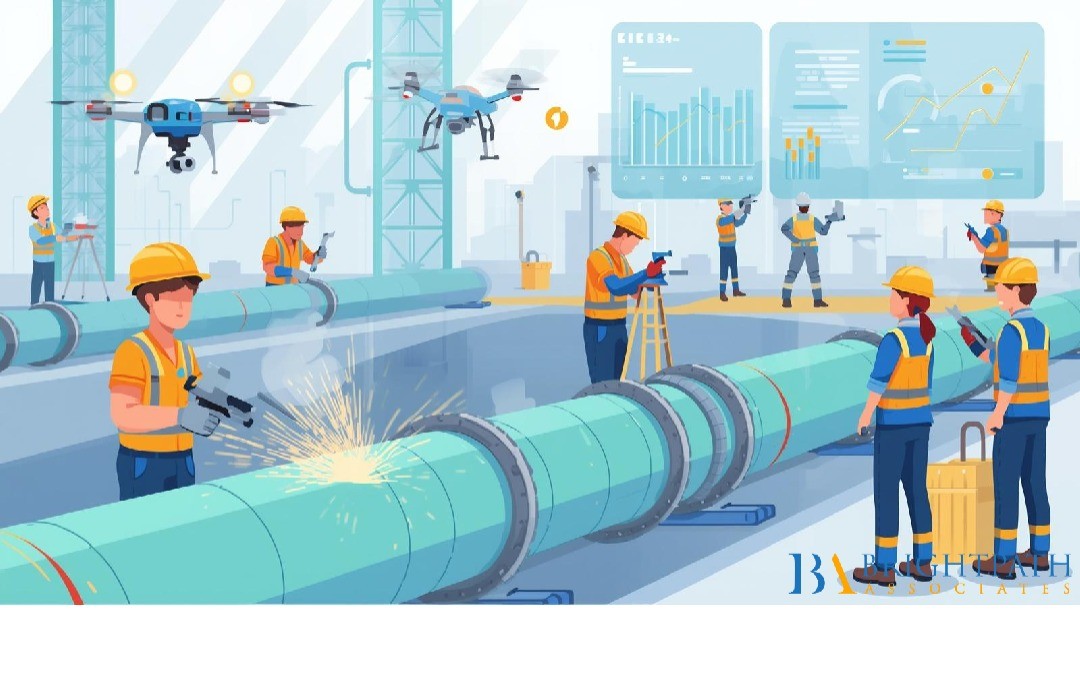
Pipeline infrastructure is the lifeline of oil and gas operations, connecting upstream production facilities to refineries, storage sites, and end consumers. Recent years have witnessed significant technological advancements aimed at enhancing efficiency, safety, and environmental compliance. Modern pipeline construction increasingly relies on automated welding technologies, advanced trenching machinery, and real-time monitoring systems that enable rapid deployment while minimizing environmental disruption.
For instance, the adoption of smart pipeline monitoring solutions allows operators to detect leaks, corrosion, or pressure anomalies in real-time. Sensors embedded along the pipeline communicate with centralized control systems, providing actionable insights that can prevent catastrophic failures. Data from industry studies indicate that predictive maintenance strategies can reduce unplanned downtime by up to 40%, translating into significant cost savings for operators managing complex networks of pipelines. These innovations are particularly critical as pipeline projects expand into environmentally sensitive or technically challenging regions, where traditional methods may prove insufficient.
Enhancing Maintenance through Predictive Analytics
Maintenance practices in the oil and gas sector have evolved beyond reactive repairs and scheduled inspections. Predictive maintenance, powered by AI and #MachineLearning, is now a central pillar in extending the lifespan of pipeline infrastructure. By analyzing historical operational data, weather conditions, and material performance metrics, companies can anticipate potential failures before they occur.
The economic implications of predictive maintenance are compelling. Unplanned pipeline shutdowns can cost companies millions of dollars in lost production, regulatory penalties, and reputational damage. A study from the American Petroleum Institute highlighted that predictive analytics implementation in mid-sized oilfield services companies improved operational uptime by 30%, demonstrating a clear ROI for technology-driven maintenance practices. For executives, these metrics underscore the critical role of data-informed decision-making in sustaining competitive advantage.
The Leadership Talent Shortage
While technological progress is reshaping operations, the human capital landscape is presenting a different set of challenges. The oil and gas industry faces a significant shortage of experienced leadership talent, particularly in roles critical to pipeline construction, refinery operations management, and strategic planning. According to a 2024 survey by Deloitte, nearly 60% of energy sector executives reported difficulty in filling senior-level positions, citing the retirement of veteran professionals and evolving skill requirements as key contributors.
This shortage has far-reaching consequences. Without strong leadership, the implementation of advanced technologies and maintenance strategies can falter, resulting in inefficiencies, safety risks, and delayed project timelines. Moreover, executive talent gaps can impede the strategic vision needed for sustainable energy transitions and the adoption of cleaner petroleum engineering services. For small to mid-sized enterprises, which often lack internal talent pipelines comparable to larger corporations, the risk is particularly acute.
Shifting Role Expectations
The profile of oil and gas executives is also evolving. Modern leaders are expected to balance operational expertise with strategic foresight, sustainability awareness, and digital fluency. Traditional competencies such as engineering acumen and project management experience remain essential, but executives are increasingly required to navigate complex stakeholder environments, regulatory compliance, and energy sector investment decisions that reflect the global push toward sustainable energy solutions.
In #PipelineOperations, this means that leaders must not only oversee construction and maintenance activities but also integrate predictive analytics, implement safety and environmental protocols, and align operational objectives with broader corporate sustainability goals. The result is a multi-dimensional role that demands a unique blend of technical knowledge, managerial skill, and strategic vision—a combination that is challenging to source and develop internally.
The Strategic Evolution of Recruitment Practices
Given these pressures, executive search recruitment has emerged as a vital solution for companies seeking to bridge leadership gaps. The recruitment landscape for oil and gas executives has shifted from traditional talent acquisition toward strategic, relationship-driven approaches. Firms specializing in executive search recruitment, such as Brightpath Associates, focus on identifying candidates with the precise combination of skills, experience, and cultural fit necessary to drive operational success and strategic growth.
This shift reflects broader trends in the industry. Companies are increasingly prioritizing recruitment methods that leverage global networks, industry-specific expertise, and predictive assessments to ensure leadership continuity. By partnering with executive search specialists, mid-sized oil and gas companies can access a curated talent pool, reduce time-to-hire, and mitigate the risk associated with leadership turnover. Importantly, such partnerships enable companies to remain agile in responding to evolving pipeline construction technologies, refinery operations requirements, and petroleum engineering innovations.
Integrating Talent Strategy with Operational Excellence
The convergence of #TechnologicalInnovation and leadership talent shortages underscores the importance of a holistic strategy. Companies that fail to align their workforce planning with operational advancements risk undermining both efficiency and growth potential. For example, a pipeline project incorporating AI-driven monitoring systems will only achieve its full potential if led by executives capable of interpreting complex data, making informed decisions, and managing cross-functional teams effectively.
Data-driven insights into leadership trends also reveal the importance of succession planning. By anticipating retirements, skill gaps, and evolving role expectations, companies can proactively engage in executive search recruitment, ensuring that key positions are filled with capable leaders before critical operational needs arise. Such foresight is especially vital in sectors like oil drilling technology and oilfield services, where project timelines are long and operational missteps can have amplified financial and environmental impacts.
Leveraging Recruitment for Competitive Advantage
For small and mid-sized oil and gas companies, executive search recruitment is not merely a staffing function; it is a strategic tool that directly influences operational resilience and market competitiveness. Leaders recruited through specialized search processes bring not only technical and managerial expertise but also the vision required to guide organizations through periods of technological and regulatory transformation. This approach enables companies to embrace sustainable energy solutions, optimize refinery operations management, and invest effectively in energy sector projects without compromising on operational reliability.
Moreover, executive search recruitment allows companies to anticipate emerging trends in petroleum engineering services, oil and gas jobs in the USA, and broader energy industry dynamics. By identifying leaders who are already adept at navigating the intersection of technology, sustainability, and corporate strategy, companies position themselves to respond swiftly to market changes, regulatory shifts, and competitive pressures. This strategic foresight is a differentiator in an industry where agility and informed leadership often determine long-term success.
Conclusion
The oil and gas industry is at a pivotal juncture, driven by rapid technological advances in pipeline construction and maintenance alongside evolving executive expectations. Small to mid-sized enterprises face the dual challenge of integrating advanced operational technologies while addressing leadership talent shortages and shifting role requirements. Predictive maintenance, smart monitoring systems, and automated construction tools are transforming operational efficiency, but without capable leadership, these innovations cannot reach their full potential.
#ExecutiveSearchRecruitment has emerged as a critical mechanism to bridge this gap, offering a strategic pathway to secure leaders who combine technical expertise, managerial acumen, and visionary thinking. By aligning talent strategy with operational excellence, companies can not only mitigate risks associated with leadership gaps but also enhance their capacity for #SustainableGrowth, informed investment, and industry innovation. For executives and founders navigating the oil and gas landscape from 2023 to 2025, leveraging specialized recruitment services represents both a pragmatic and strategic imperative.
For organizations seeking to explore tailored executive search recruitment solutions and navigate the evolving dynamics of the oil and gas sector, Brightpath Associates offers expert guidance and industry-specific insight. Their expertise ensures that leadership talent is not only secured but strategically aligned to meet the challenges and opportunities presented by the modern energy landscape.
Find your next leadership role in Oil and Gas Industry today!
Stay informed with the latest insights on Oil and Gas Industry!