
Introduction
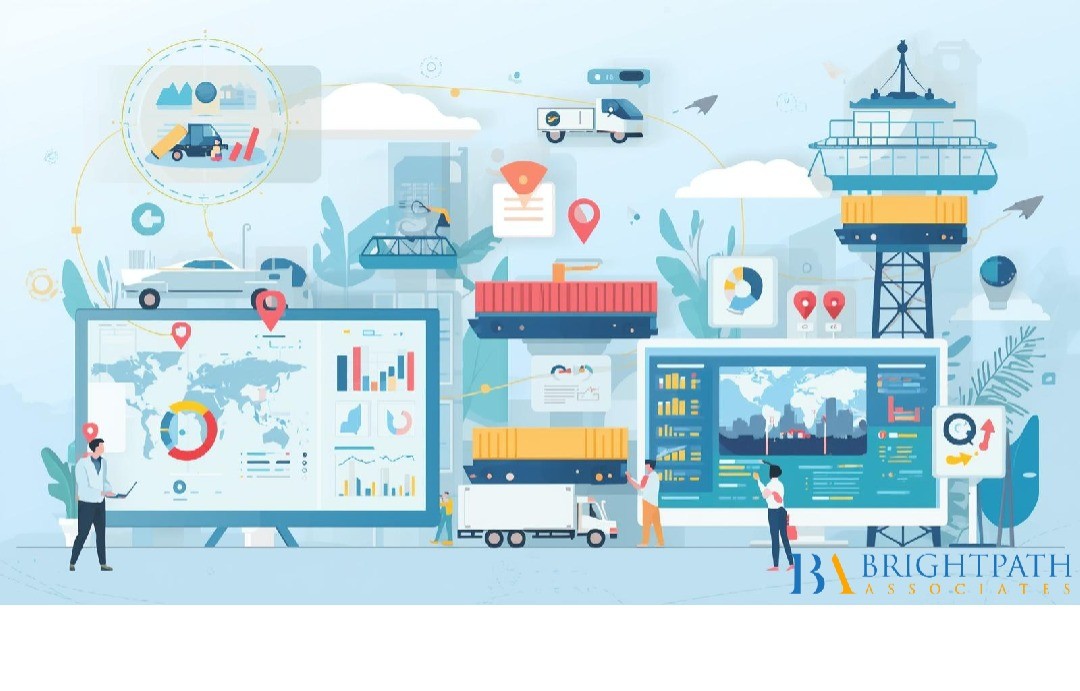
In today’s fast-paced and dynamic #LogisticsEnvironment, the importance of logistics innovation is more significant than ever. Modern freight shipping is marked by a relentless drive towards integration and efficiency, transforming how the delivery industry operates. This evolution is fueled by advanced technologies that enhance visibility, streamline operations, and ultimately improve customer satisfaction. The growing complexity of supply chains, coupled with heightened consumer expectations, has led to a substantial shift in how businesses approach logistics management. As e-commerce continues to surge, the demand for more efficient parcel delivery systems not only pushes businesses to seek comprehensive tracking solutions but also necessitates a rethinking of traditional logistics paradigms to meet the challenges of the digital age.
The Role of Advanced Tracking Technologies
At the heart of logistics innovation are the technologies enabling advanced tracking and improved freight visibility. Freight brokerage services are pivotal in this transformation, providing shippers with better tools to monitor and manage their deliveries. These services integrate various tracking solutions that range from GPS systems to sophisticated software platforms, enabling real-time access to shipment data. With enhanced visibility, logistics companies can optimize their operations significantly, reducing delays and improving overall efficiency. For instance, logistics teams can make informed decisions based on live data, and adjust routes or timelines, ensuring that they mitigate potential setbacks before they impact delivery.
Delivery technology has revolutionized parcel delivery processes in numerous ways. By employing real-time tracking capabilities, businesses can now provide customers with precise, up-to-the-minute information on their shipments, reinforcing the bond of trust between the business and the consumer. This transparency is not just a luxury; it’s a necessity in freight shipping, ensuring that cargo reaches its destination on time and intact. The challenge remains, however, to ensure that these technologies are not isolated fixtures but are part of a comprehensive strategy that maximizes their impact. One notable example of innovation in this space is Amazon Freight. Their continuous investment in tracking technologies provides shippers with detailed shipment status, driver assignment, dispatch information, and real-time progress updates, nearly in real-time. Such innovations highlight the role of technology in transforming freight shipping into a transparent and reliable service, forging a path for other companies to emulate.
Current Trends in Freight Visibility
The landscape of freight visibility is currently shaped by significant #TechnologicalAdvancements in transportation dispatch services. These services are designed to facilitate seamless logistic operations by integrating all aspects of shipping into a centralized system, allowing for enhanced coordination and communication among parties involved in the shipping process. The rise of e-commerce logistics, in particular, demands these advanced freight visibility tools to keep pace with consumer expectations for quick, accurate, and traceable deliveries that accommodate their increasingly demanding schedules.
FreightPlus, a leader in logistics solutions, underscores the importance of visibility in today’s dynamic logistics landscape. Their insights reveal that businesses embracing advanced technologies, data-driven insights, and collaborative partnerships can optimize efficiency and minimize risks. By utilizing data analytics, companies can reveal systematic issues and trends within their supply chains, allowing for continuous improvement strategies to take effect. Such integration of technology is critical for shippers to maintain visibility and control over freight movements, ensuring they remain competitive in a crowded marketplace. Moreover, as environmental concerns grow, companies increasingly recognize that optimizing freight visibility also aids in improving their sustainability practices, making it a dual-focused advancement.
Strategic Shipping Optimization
Shipping optimization is a strategic imperative for businesses keen on maximizing efficiency and ensuring customer satisfaction. Advanced tracking technologies play a crucial role in enabling seamless shipping operations. By providing centralized platforms and real-time tracking, businesses can better monitor shipments, manage resources effectively, and respond dynamically to any disruptions in the supply chain. Opportunities for efficiency are often discovered within these operations; the ability to assess routes in real-time and communicate adjustments to drivers can yield significant cost savings and reduce delivery times.
Proactive monitoring facilitated by these technologies allows logistics companies to anticipate and mitigate potential issues before they escalate. This can include identifying vehicle maintenance needs or alerting teams to delays caused by weather. This proactive approach not only enhances operational efficiency but also strengthens customer trust in delivery technology, creating a more reliable experience that can lead to repeat business and a solid reputation.
Executive Search Recruitment in the Delivery Industry
The evolving landscape of the delivery industry presents unique challenges in attracting and retaining tech talent. Leadership talent shortages and shifting role expectations have prompted companies to reevaluate their #RecruitmentStrategies to prioritize candidates with a robust understanding of emerging technologies. From 2023 to 2025, a noticeable strategic evolution in recruitment practices emerges, placing an emphasis on the need for specialized skills to manage advanced technologies within the sector. It is crucial for organizations to identify not only technical skills but also attributes such as agility and innovation-mindedness in potential hires.
#ExecutiveSearchRecruitment emerges as a vital solution to this challenge. By focusing on finding the right talent for leadership positions, businesses can bridge the gap in expertise. This ensures that they remain competitive in the rapidly changing delivery industry. As logistics increasingly intersects with technology, hiring leaders who can navigate this intersection effectively will be essential. The recruitment process itself must become agile, leveraging networks and industry insights to attract the best candidates.
Industry Statistics & Data Analysis
Industry statistics underscore the transformative impact of technology on logistics innovation. Data-backed trends in the freight shipping sector reveal that visibility enhancements are crucial for increasing efficiency across courier networks. Advanced tracking not only optimizes logistics operations but also empowers businesses to deliver better service, reduce costs, and improve sustainability metrics. For instance, companies that have adopted advanced tracking systems report substantial reductions in operational costs, often by as much as 20% within the first year.
Incorporating such technologies is more than a strategic choice; it is a business imperative for companies aiming to stay ahead in the competitive logistics landscape. Analytics tools enable businesses to identify trends, manage inventory effectively, and streamline overall operations, making it a necessary investment rather than an optional enhancement in today’s fast-paced environment. The ability to provide real-time data and analytics leads to better business decisions, enhancing both profit margins and customer satisfaction.
Conclusion
In conclusion, the journey towards enhanced freight visibility is shaped by a confluence of technological advancements and shifting market demands. To successfully navigate the complexities of modern logistics, businesses must embrace innovative tracking solutions that ensure transparency and efficiency at every step of the supply chain. Furthermore, addressing leadership challenges through executive search recruitment becomes essential for capitalizing on these technological advancements, ensuring that companies have leaders capable of steering these initiatives toward success.
As the logistics sector continues to evolve, leveraging technology and strategic recruitment will remain key to achieving sustained growth and success. Companies that prioritize these elements are not only establishing themselves as leaders in the industry but are also well-positioned to lead the charge in transforming the future of #FreightShipping, making it more efficient, sustainable, and customer-centric. Through these enhancements, businesses will be equipped to meet the demands of a rapidly evolving marketplace, ultimately paving the way for innovations that will define the logistics sector’s future.
Find your next leadership role in Packaging and Freight Industry today!
Stay informed with the latest insights on Packaging and Freight Industry!