
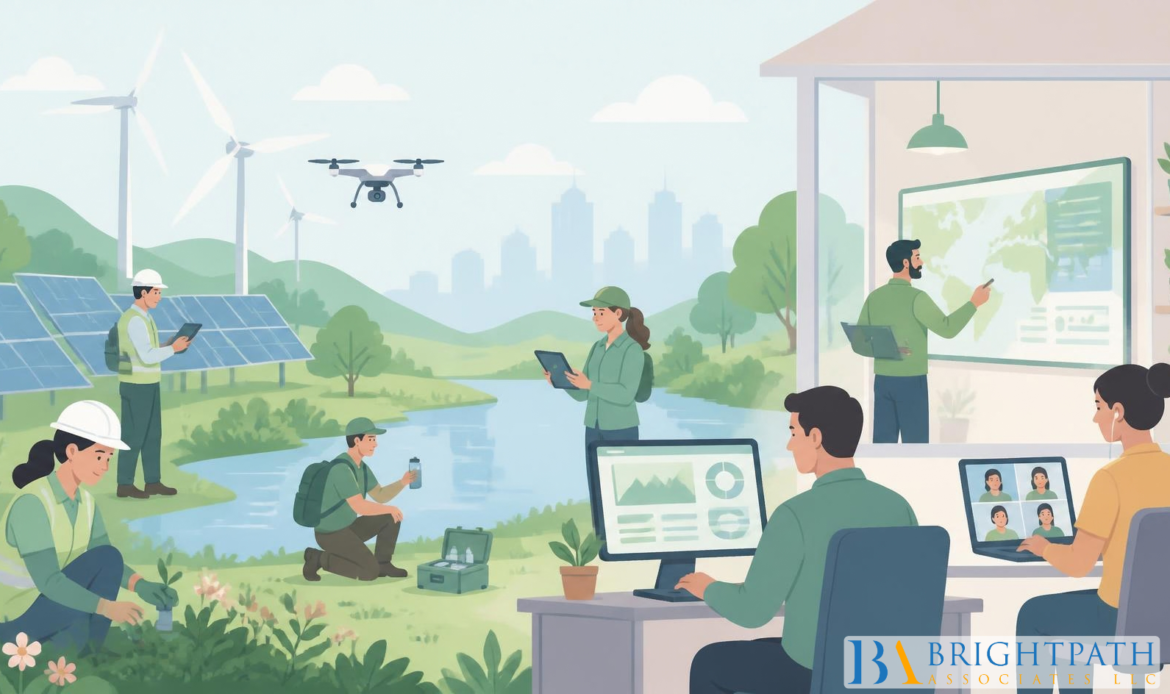
[Bethany, Connecticut – 05 October 2026] – BrightPath Associates has highlighted the changing workforce requirements across the environmental sector as organizations combine traditional field expertise with advanced technology capabilities. The latest industry analysis examines how the future of Environmental Labor will depend on professionals who can work across physical operations and digital environments while supporting Environmental sustainability, compliance, and innovation. The shift is particularly important for C-suite leaders managing growing demands for clean technology, data-driven operations, and skilled talent across the Environmental industry.
Environmental organizations are increasingly operating at the intersection of field services and technology. Professionals may be responsible for environmental monitoring, inspections, remediation, water treatment, air pollution control, or compliance activities while also using digital platforms, sensors, analytics, and automation. This combination is creating a hybrid workforce that requires both practical environmental knowledge and technological skills.
Hybrid Skills Are Reshaping Environmental Services
The expansion of digital technology is changing how environmental companies deliver services and manage their operations. Field employees increasingly use mobile applications, connected sensors, cloud platforms, geographic information systems, and analytical tools to collect and evaluate information. At the same time, technology professionals need a stronger understanding of environmental regulations, operational conditions, and sustainability objectives.
The latest BrightPath analysis on Environmental Labor Managing the Hybrid Field and Technology Workforce explores this transition and explains why organizations need to rethink traditional workforce structures. A successful hybrid workforce is not simply about adding technology to existing jobs. It requires organizations to develop employees who can connect field knowledge with digital decision-making.
This shift can help organizations improve productivity while strengthening environmental outcomes. For example, connected monitoring systems can provide faster visibility into emissions, water quality, equipment performance, and environmental conditions. Digital tools can also help teams identify potential compliance issues earlier and make more informed operational decisions.
Technology and Compliance Become Strategic Priorities
For C-suite executives, workforce transformation is closely connected to business risk and long-term competitiveness. Environmental compliance requirements continue to demand accurate reporting, reliable monitoring, and timely action. Organizations operating in areas such as Air pollution control, Water treatment, waste management, and remediation need employees who can understand both regulatory requirements and increasingly sophisticated technology.
The rise of Clean technology and Green technology is further expanding the skills required across the sector. Environmental companies may need specialists who understand data analytics, automation, artificial intelligence, remote monitoring, and digital reporting alongside environmental science and engineering.
Environmental innovation can also create opportunities to improve operational efficiency. Digital monitoring can reduce manual data collection, identify equipment problems, and provide executives with better information for resource allocation. When these capabilities are integrated with established environmental practices, organizations can create a stronger foundation for Environmental sustainability.
Environmental Services Prepare for the Next Generation
The broader Environmental Services Industry is positioned for continued transformation as businesses, governments, and communities place greater emphasis on environmental performance and sustainable development. Organizations that successfully combine field expertise with technology capabilities may be better positioned to respond to changing regulations, customer expectations, and environmental challenges.
For C-suite leaders, the workforce should therefore be viewed as a strategic asset rather than simply an operational requirement. Investments in recruitment, training, technology, and leadership development can help organizations build teams capable of delivering reliable environmental services while embracing innovation.
The future of Environmental Labor will ultimately depend on collaboration between people, technology, and organizational leadership. Companies that recognize this shift early can develop a workforce prepared to manage increasingly complex environmental challenges while supporting efficiency, compliance, and sustainable growth.
About BrightPath Associates
BrightPath Associates is an executive recruitment and talent solutions firm helping organizations identify qualified leadership and specialized professionals across key industries. The company focuses on connecting businesses with talent that can support growth, innovation, operational performance, and long-term strategic objectives. Through industry-focused recruitment expertise, BrightPath Associates helps organizations build stronger leadership teams and prepare for evolving workforce demands.
Media Contact:
Name: Corporate Communications Team
Company: BrightPath Associates
Email: media@brightpathassociates.com
Website: https://brightpathassociates.com