
Introduction
#ConsumerExpectations have changed dramatically in recent years. Buyers no longer focus solely on price, quality, or convenience; they increasingly want to understand where products come from, how they are made, and whether businesses operate responsibly. This demand for openness has transformed transparency from a marketing concept into a strategic business requirement. Across industries such as food processing, pharmaceuticals, automotive, electronics, and consumer goods, organizations are investing in traceability technologies to strengthen trust, improve compliance, and enhance operational efficiency.
The rise of digital manufacturing has made transparency more achievable than ever before. Through advanced Industrial automation, companies can collect, analyze, and share accurate product information across every stage of production and distribution. Traceability tools powered by data intelligence, connected equipment, and real-time monitoring enable manufacturers to create a complete digital record of products, helping consumers gain confidence in product authenticity, safety, and ethical sourcing.
As regulations become stricter and consumer awareness continues to grow, traceability systems are emerging as essential components of modern industrial operations. They not only improve accountability but also provide businesses with valuable insights that drive productivity and long-term competitiveness.
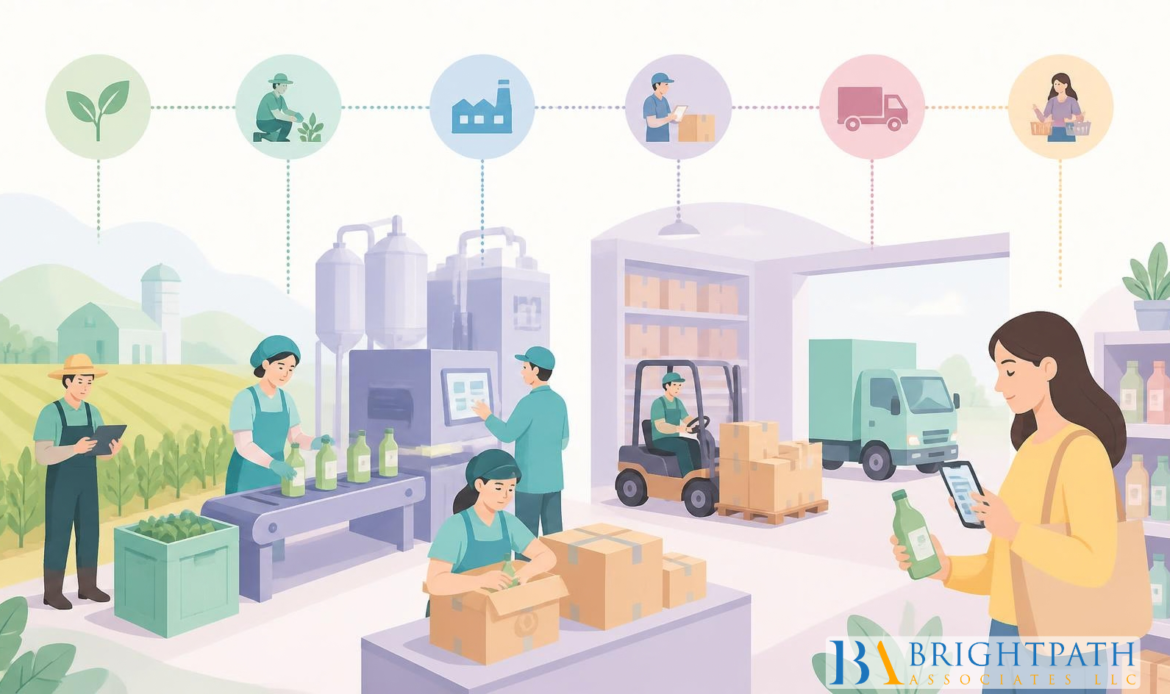
Traceability refers to the ability to track materials, components, and finished products throughout the supply chain. From raw material sourcing to final delivery, every process can be documented and monitored using advanced technologies.
Traditional record-keeping methods often relied on manual documentation, creating delays, inaccuracies, and limited visibility. Today, Manufacturing automation has revolutionized this process by enabling continuous data collection through sensors, connected devices, and intelligent software platforms.
Modern traceability systems record production details such as batch numbers, supplier information, machine performance, quality inspection results, and transportation history. This creates a transparent digital trail that manufacturers can use to respond quickly to quality concerns, recalls, or regulatory inquiries.
Traceability is no longer limited to internal operational needs. Consumers increasingly expect businesses to provide proof of ethical sourcing, environmental responsibility, and product authenticity. This shift is encouraging organizations to invest in digital technologies that deliver reliable information throughout the product lifecycle.
The Role of Industrial Automation in Transparency
The success of traceability programs depends heavily on the accuracy and speed of data collection. This is where Industrial automation plays a critical role. Automated systems eliminate many of the errors associated with manual processes while providing real-time information across complex manufacturing environments.
Factories now use connected machines, sensors, and software to capture operational data continuously. Advanced Control systems coordinate equipment performance and ensure that information flows seamlessly between production stages.
Automation technologies create a synchronized manufacturing ecosystem where every process can be monitored and recorded. This improves not only transparency but also efficiency, quality control, and compliance with industry standards.
Businesses investing in Automation solutions manufacturing can build highly responsive production environments that support both operational excellence and consumer confidence. By integrating traceability into automated workflows, companies gain greater visibility while reducing waste, downtime, and production inconsistencies.
Accurate traceability depends on reliable machine communication and process control. A well-designed PLC programming service forms the foundation of many industrial automation systems.
Programmable Logic Controllers manage equipment operations, monitor production variables, and capture essential manufacturing data. Every product movement, machine action, and process parameter can be recorded automatically through PLC-based systems.
For example, in food processing or pharmaceutical manufacturing, PLC systems can track temperature, pressure, timing, and ingredient batches in real time. This level of precision ensures that products meet safety standards while creating a detailed record for audits or customer verification.
The increasing demand for specialized automation expertise has also led to growth in Automation jobs, particularly for professionals skilled in programming, controls engineering, and industrial software integration. Companies require experienced talent to design and maintain traceability systems that align with operational and regulatory requirements.
SCADA Systems and Real-Time Visibility
Data collection alone is not enough; manufacturers also need tools that transform information into actionable insights. #SCADASystems provide this capability by offering centralized monitoring and control of industrial operations.
Supervisory Control and Data Acquisition platforms gather information from multiple production assets and present it through intuitive dashboards. Managers can monitor equipment performance, production output, quality metrics, and traceability records in real time.
SCADA technologies improve transparency by creating a unified view of operations. If a quality issue occurs, manufacturers can quickly identify affected batches, locate the source of the problem, and implement corrective actions.
Consumers benefit indirectly from these systems because businesses can respond faster to safety concerns and maintain higher standards of product consistency. Real-time visibility also supports sustainability initiatives by helping organizations optimize energy use, reduce waste, and improve resource efficiency.
Automation continues to evolve through intelligent robotics and machine collaboration. Robotics integration is increasingly important for improving both production efficiency and traceability.
Modern robotic systems perform tasks such as assembly, packaging, inspection, and material handling with high levels of precision. These robots generate valuable operational data that contributes to complete product histories.
In industries where product authenticity is critical, robotics systems help ensure consistency while reducing the risk of errors or contamination. Automated labeling, barcode application, and packaging verification create accurate records that support end-to-end traceability.
Robotic technologies also improve workplace safety and productivity, allowing employees to focus on higher-value activities. As automation adoption grows, organizations continue to create new opportunities in engineering, maintenance, programming, and digital operations, expanding the market for skilled Automation jobs.
Industrial Machine Vision and Quality Assurance
Consumers expect products to meet strict quality standards, and traceability systems play an important role in achieving this goal. #IndustrialMachineVision technologies provide automated inspection capabilities that strengthen transparency and quality control.
Machine vision systems use cameras, sensors, and artificial intelligence to inspect products during manufacturing. They can identify defects, verify labels, measure dimensions, and confirm product specifications with exceptional accuracy.
Every inspection result becomes part of the traceability record, creating a detailed history of product quality. This information allows manufacturers to identify trends, improve processes, and reduce defects.
Industries such as electronics, pharmaceuticals, automotive, and food processing increasingly rely on machine vision to meet customer expectations and regulatory requirements. The combination of automation, digital inspection, and data analytics creates a powerful framework for building consumer trust.y
Technology alone cannot create effective traceability systems. Skilled professionals are essential for designing, implementing, and managing complex industrial operations.
As manufacturers accelerate digital transformation, demand continues to rise for engineers, automation specialists, controls experts, robotics professionals, and manufacturing leaders. This has increased the importance of Executive search industrial automation services that help organizations identify high-level talent capable of leading automation initiatives.
Leadership plays a crucial role in balancing technological investment with operational goals. Companies require executives who understand industrial technology, regulatory requirements, and market expectations.
Similarly, #ExecutiveSearchRecruitment firms support organizations by identifying experienced professionals who can drive innovation and maintain competitive advantages. From plant managers to automation directors, skilled leaders ensure that traceability programs deliver measurable value.
The expanding automation landscape is also creating opportunities across technical disciplines, contributing to sustained growth in Automation jobs worldwide.
Trust is built when consumers have access to reliable and verifiable information. Traceability tools provide businesses with the ability to demonstrate accountability rather than simply make claims.
Consumers increasingly value details related to sourcing, manufacturing practices, sustainability efforts, and product authenticity. Digital traceability systems allow companies to provide accurate information quickly and consistently.
Transparency also strengthens brand reputation during challenging situations. If recalls or quality concerns arise, organizations with effective traceability systems can respond rapidly, reducing risks and maintaining public confidence.
In many industries, transparency is becoming a key differentiator. Companies that embrace digital traceability are better positioned to meet regulatory requirements, improve customer loyalty, and strengthen long-term relationships with stakeholders.
Conclusion
The future of manufacturing will be defined by connectivity, intelligence, and accountability. Technologies such as artificial intelligence, cloud platforms, predictive analytics, and advanced automation will continue to expand the capabilities of traceability systems.
Organizations that invest in Industrial automation, intelligent Control systems, SCADA systems, PLC programming service, Industrial machine vision, and Robotics integration will gain greater visibility across their operations while improving consumer trust.
At the same time, success will depend on attracting skilled professionals through effective Executive search industrial automation strategies and specialized Executive Search Recruitment efforts.
Transparency is no longer simply a regulatory requirement; it is a business imperative. Manufacturers that build comprehensive traceability frameworks will not only enhance operational performance but also create stronger connections with consumers who increasingly demand openness, accountability, and confidence in the products they purchase.
In a world where information drives decisions, traceability tools are becoming essential instruments for building trust, supporting responsible manufacturing, and shaping the future of industry.
Find your next leadership role in Industrial Automation Industry today!
Stay informed with the latest insights on Industrial Automation Industry!