
Energy costs are a major concern for modern mills. Paper mills, pulp plants, sawmills, and other wood processing facilities use large amounts of electricity, heat, steam, and fuel to operate equipment. Even small amounts of energy waste can increase production costs and reduce profit margins.
Edge computing is becoming a practical way to address this challenge. By collecting and analyzing machine data close to where it is generated, mills can identify energy waste faster and make better operating decisions. Instead of sending all data to a remote system for analysis, edge devices can process information directly at the mill. For companies working across the forest products sector, this technology can support efficiency, sustainability, and long-term competitiveness.
Understanding Energy Waste in Modern Mills
Mill operations involve many energy-intensive processes. Motors, pumps, compressors, dryers, boilers, conveyors, cutting systems, and production lines can operate continuously for long periods. Energy waste can occur when equipment runs when it is not needed, operates at inefficient settings, or develops mechanical problems. A small change in motor performance or steam pressure may not immediately appear as a serious problem, but the combined impact can become significant over time.
Traditional energy monitoring systems often depend on centralized data collection. While useful, these systems may not provide operators with information quickly enough to respond to changing conditions. Edge computing can reduce this delay by analyzing information directly at the production site.
How Edge Computing Works in a Mill
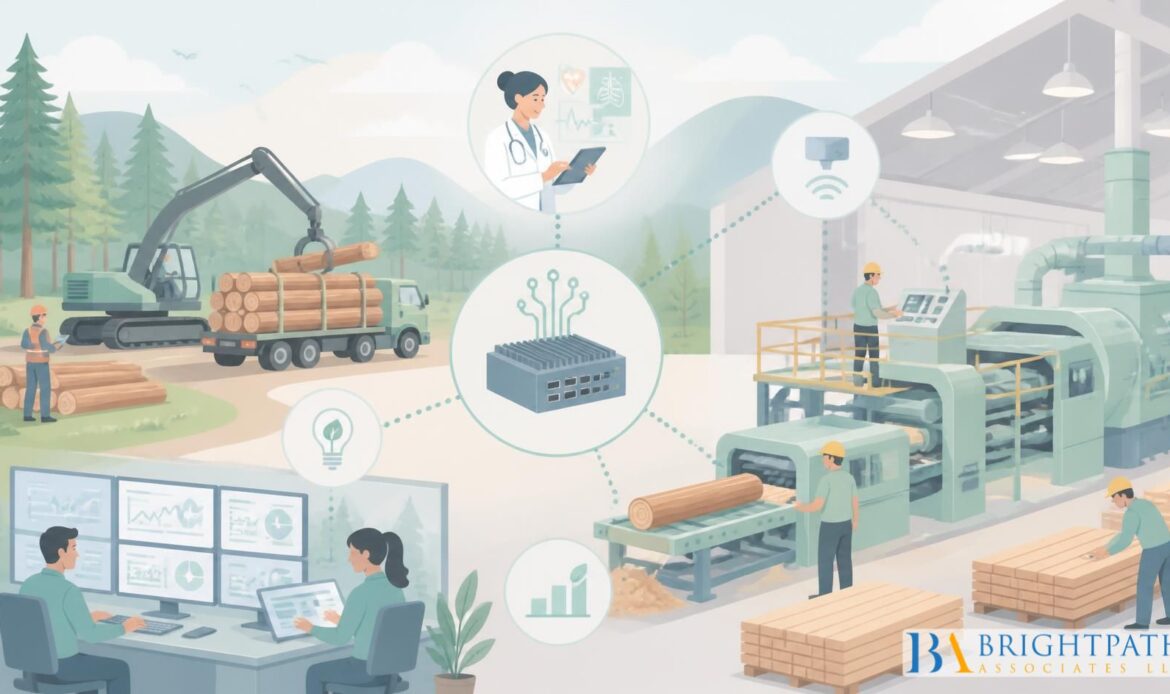
Edge computing places processing power close to machines and industrial equipment. Sensors can collect information such as energy consumption, temperature, vibration, pressure, production speed, and equipment status. An edge device can then analyze this information in real time. If a machine begins consuming more electricity than expected, the system can identify the change and alert operators.
This approach can be especially useful in large facilities where thousands of data points are produced every minute. Processing important information locally can reduce communication delays and help operators respond before energy waste becomes a larger issue. The paper and pulp sector has many opportunities to use edge technology. Drying systems, steam systems, pumps, fans, and motors can all contribute to energy consumption.
With modern #PaperandPulpTechnology, sensors and edge systems can monitor these operations continuously. Operators can compare current performance with normal operating conditions and identify unusual energy patterns. For example, if a pump begins using more energy while delivering the same output, the system may indicate that maintenance is required. Detecting this change early can prevent inefficient operation and reduce unnecessary energy consumption.
This approach can also support Automation in Paper industry operations. Automated systems can adjust equipment settings based on real-time conditions, helping maintain stable production while avoiding excessive energy use.
Connecting Energy Data With Paper Industry Economics
Energy efficiency is not only an environmental issue. It also has a direct effect on business performance. The Paper industry economics can be influenced by energy prices, raw material costs, labor expenses, transportation, and market demand. When energy costs rise, mills that operate inefficiently can face pressure on their margins.
Edge computing can help management understand where energy is being consumed and how that consumption relates to production. Instead of looking at total electricity use alone, companies can measure energy use per production unit. This provides a clearer picture of operational efficiency and helps managers identify areas where improvements can produce financial benefits.
Supporting Paper Recycling Solutions
Recycling facilities also depend on energy-intensive equipment. Sorting systems, conveyors, pulpers, pumps, screens, and other machinery require consistent power to process recovered materials. Edge computing can monitor these systems and identify inefficient operating conditions. It can also help operators understand how energy consumption changes with different material types and production volumes.
Better monitoring can support Paper recycling solutions by helping facilities improve process efficiency while reducing energy waste. This becomes increasingly important as manufacturers and consumers place greater emphasis on circular production and resource efficiency. Energy efficiency is not limited to paper mills. The wider forest products industry can benefit from better data management.
Modern Timber harvesting operations use advanced machinery, transportation systems, and processing equipment. Fuel consumption and machine efficiency can have a major effect on operating costs. Edge computing can monitor equipment performance and fuel use in real time. This information can help companies identify inefficient machines, improve maintenance schedules, and reduce unnecessary fuel consumption.
Supporting Wood Product Manufacturing
Sawmills and other facilities involved in Wood product manufacturing operate equipment such as saws, dryers, conveyors, and material handling systems. Energy monitoring at the machine level can reveal where excessive consumption occurs. Edge systems can compare equipment performance and identify changes that may indicate wear or poor operating conditions.
For example, if a cutting machine begins using more power than normal, operators can investigate the cause before the problem affects production. This creates an opportunity to combine energy management with predictive maintenance. Sustainability and environmental performance are increasingly important across the forest products sector. Companies must also operate within changing Forestry regulations and environmental requirements.
Edge computing can help organizations collect reliable operational data that supports energy reporting and sustainability programs. Accurate data can make it easier to measure improvements and demonstrate progress toward environmental goals. Technology does not replace compliance programs, but it can provide better information for decision-making and reporting.
The Role of Sustainable Materials
The growing demand for Sustainable materials is changing how companies think about manufacturing. Customers increasingly want products that use resources responsibly and have a lower environmental impact. Reducing energy waste can support these goals. When mills produce the same output using less energy, they can improve resource efficiency while potentially reducing operating costs.
This creates a connection between technology investment and sustainability. Edge computing is not simply a digital upgrade. It can become part of a broader strategy for creating more efficient and responsible manufacturing operations. Technology alone cannot solve energy problems. Mills also need people who understand industrial operations, digital systems, energy management, and business strategy.
This is where #ExecutiveSearchRecruitment can help companies identify leaders with the right combination of technical and industry knowledge. As mills adopt edge computing, automation, and advanced analytics, they need professionals who can connect technology investments with operational goals. Strong leadership can help ensure that new systems are properly implemented and that employees understand how to use the information they produce.
Conclusion
Energy waste can have a major impact on the profitability and sustainability of mills. Edge computing provides a practical way to monitor equipment, analyze energy use, identify problems, and support faster operational decisions. From paper and pulp production to recycling, timber harvesting, and wood product manufacturing, real-time data can help companies improve efficiency across the value chain.
As the industry continues to adopt automation, digital systems, and sustainable materials, energy management will become an even more important competitive factor. Mills that combine advanced technology with skilled people can reduce waste, control costs, and build more efficient operations for the future.
Find your next leadership role in Paper & Forest Industry today!
Stay informed with the latest insights on Paper & Forest Industry!