
Introduction
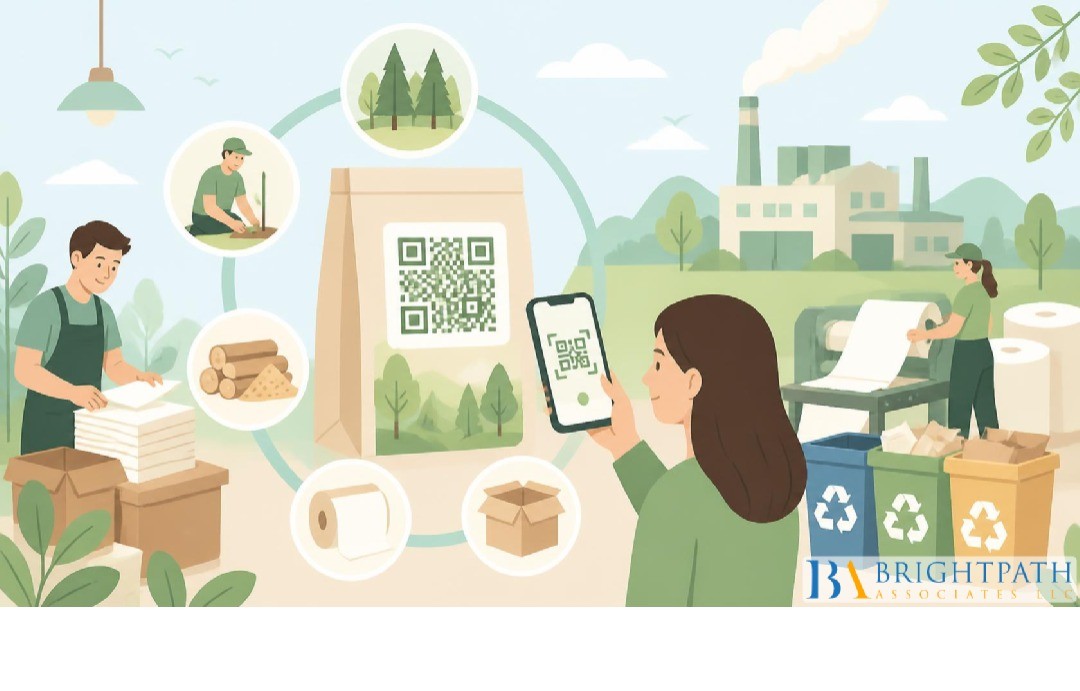
The #RecyclingIndustry is entering a more data-driven era as manufacturers, retailers, consumers, and regulators demand greater visibility into where materials come from, how products are used, and what happens after disposal. For companies operating across paper, forestry, lumber, and wood-product markets, communicating recycling information effectively is becoming increasingly important. QR codes offer a practical connection between physical products and digital information, allowing manufacturers to provide consumers with detailed recycling instructions, sourcing information, material composition, sustainability initiatives, and end-of-life guidance without overcrowding product labels. For organizations focused on Forest product innovation, QR technology can become part of a broader strategy for improving transparency and consumer engagement. When connected with reliable data systems, QR codes can help businesses communicate sustainability information while creating a stronger connection between products and the people who purchase and dispose of them.
The Growing Importance of Digital Recycling Information
#ConsumersFrequently encounter recycling symbols and disposal instructions on packaging, but these instructions are not always easy to understand. Recycling systems can differ significantly by location, material type, local infrastructure, and processing capabilities. A product described as recyclable may not necessarily be accepted by every local recycling facility, creating confusion for consumers and increasing the possibility of materials being placed in the wrong waste stream. QR codes can help address this challenge by providing access to more detailed and location-specific information. A consumer can scan a code and receive instructions explaining how the product should be prepared for recycling, which components should be separated, and what type of recycling stream may be appropriate. This creates an information layer that extends beyond the limited space available on physical packaging. The advantage of digital information is also its flexibility. Manufacturers can update online recycling instructions when product specifications, local recycling programs, or disposal requirements change. Instead of immediately redesigning and reprinting packaging, companies can update the digital content connected to the QR code.
Connecting Products With Their Material Journey
The value of QR technology extends beyond disposal instructions. Companies can use QR codes to provide information about the journey of a product from raw material sourcing through manufacturing and eventual recycling.
For businesses involved in Paper recycling solutions, this can be particularly valuable. Paper products can contain different fibers, coatings, adhesives, inks, and composite materials that affect their recyclability. Consumers may not always understand these differences. A QR code can provide additional information about material composition and explain the appropriate disposal process in simple language.
The same principle can apply to products made from wood and other forest-based materials. Information about sourcing, manufacturing, product care, and end-of-life options can create greater transparency and help consumers understand the environmental characteristics of the products they purchase.
Advancements in Paper and pulp technology are transforming how manufacturers produce paper products while improving efficiency, resource utilization, and quality control. Modern facilities increasingly rely on sensors, automated systems, data analytics, and digital production records.
These technologies can also support more detailed product traceability. Selected production information can be connected to digital platforms and made available to consumers through QR codes. Manufacturers do not need to expose confidential production information, but they can provide relevant details that demonstrate how products are made and what sustainability practices support their production.
This approach can strengthen consumer confidence because sustainability becomes supported by accessible information rather than limited to broad claims printed on packaging.
Improving Transparency From Timber Harvesting to Finished Products
The product journey often begins with #TimberHarvesting, where sourcing decisions can have significant implications for environmental performance and supply-chain transparency. Consumers increasingly want to understand whether forest-based materials are responsibly sourced and whether companies follow appropriate environmental and forestry practices.
QR-enabled product information can provide a digital pathway to this information. Depending on the company’s systems and disclosure requirements, consumers may be able to learn about sourcing regions, responsible forestry practices, certification information, or chain-of-custody processes.
This creates a stronger connection between the raw material and finished product. Instead of seeing only a finished wooden product or paper package, consumers can gain a better understanding of the supply chain behind it.
Supporting Changing Lumber Industry Trends
The Lumber industry trends landscape is increasingly shaped by digitalization, sustainability expectations, construction demand, traceability, and supply-chain management. These changes are influencing not only how lumber is produced but also how its value is communicated.
QR technology can provide manufacturers, distributors, builders, and end users with easy access to information about product specifications, sourcing, handling, maintenance, and responsible disposal.
For companies selling wood products into construction and commercial markets, digital information can also support stronger business-to-business relationships. Contractors and buyers may benefit from quick access to product documentation, technical information, and sourcing details.
As environmental expectations increase, companies must pay close attention to #ForestryRegulations and other applicable requirements. Digital transparency can support communication, but QR codes should not be viewed as substitutes for formal compliance systems.
Information published through QR-enabled platforms should be accurate, current, and supported by appropriate documentation. Companies should also establish processes for reviewing and updating claims.
This becomes particularly important when sustainability information is used in marketing. Overstated or unsupported environmental claims can create reputational risks. A QR code should therefore be part of a credible transparency strategy rather than simply a tool for making sustainability claims appear more sophisticated.
Turning Recycling Information Into Business Value
The economics of digital recycling communication should also be considered. The Paper industry economics environment is influenced by raw material costs, energy prices, recycling rates, transportation, production efficiency, consumer demand, and regulatory requirements.
A QR system may provide commercial value by improving consumer engagement, strengthening brand differentiation, supporting recycling programs, and creating better visibility into product use and disposal.
However, companies must also consider implementation costs. These can include digital platform development, data management, cybersecurity, content creation, maintenance, and employee resources.
The QR code itself is inexpensive. The greater investment lies in building and maintaining accurate information behind it.
For companies involved in Wood product manufacturing, QR codes can support the digitalization of products throughout their life cycle. Furniture, flooring, engineered wood, construction materials, and other products can carry digital information that remains useful after the initial purchase.
A customer could scan a product to access maintenance instructions, material information, sourcing details, warranty information, recycling guidance, or product-care recommendations.
This can strengthen the relationship between manufacturers and customers while encouraging longer product lifespans.
In the long term, such systems could contribute to circular economy strategies by helping users understand how products can be repaired, reused, recovered, or recycled.
Automation and Digital Product Traceability
The connection between QR technology and Automation in Paper industry operations creates another opportunity. Automated manufacturing systems can generate large quantities of production and quality data. When properly managed, selected information can be connected with finished products. For example, production systems may record batch information, quality checks, material inputs, and manufacturing dates. A QR code can connect a product to an appropriate subset of this information. This approach can improve traceability without overwhelming consumers with unnecessary technical details.
It also allows companies to create a controlled digital information architecture in which different stakeholders receive different levels of information depending on their needs. The growing adoption of #SustainableMaterials makes transparent communication increasingly important. Consumers may see terms such as recycled content, responsibly sourced fiber, renewable material, or recyclable packaging but may not fully understand what those terms mean. QR-enabled information can provide additional context. A manufacturer can explain where the material originates, how much recycled content it contains, how it should be disposed of, and what happens after collection. This creates an opportunity to move sustainability communication away from vague claims toward practical education. The result can be more informed consumer behavior and potentially higher-quality recycling streams.
The Importance of Leadership and Talent
Technology cannot deliver these benefits without the right people. QR-enabled recycling systems may involve manufacturing, sustainability, supply-chain management, IT, marketing, compliance, and customer experience. Organizations therefore need leaders capable of coordinating these different functions. As the forestry, paper, and wood-product industries become increasingly digital, leadership roles are evolving. Companies may require executives who understand manufacturing while also having expertise in sustainability, data, digital transformation, and supply-chain transparency. This is particularly important for small and mid-sized companies that may not have large teams dedicated to each function. #ExecutiveSearchRecruitment can support organizations seeking leaders who can connect technology investments with operational and sustainability objectives.
Conclusion
QR codes offer a practical way for companies to make recycling and sustainability information more accessible to consumers. They can connect physical products with digital information about material composition, sourcing, recycling instructions, production practices, and end-of-life options. For organizations operating across forestry, paper, lumber, and wood-product markets, QR technology can support broader efforts around Forest product innovation, Paper recycling solutions, Paper and pulp technology, Timber harvesting, Lumber industry trends, Forestry regulations, and Sustainable materials. The real opportunity, however, goes beyond printing a code on a package. Companies must build accurate data systems, establish clear ownership, maintain current information, protect consumer data, and ensure that sustainability claims are credible. As the industry moves toward greater digitalization and circularity, QR codes can become an important bridge between products, consumers, manufacturers, and recycling systems. The organizations that succeed will be those that combine technology with meaningful information, strong operational processes, and capable leadership. With the right strategy and talent, consumer-facing recycling data can become more than a communication tool—it can become part of a broader competitive advantage built around transparency, efficiency, sustainability, and trust.
Find your next leadership role in Paper & Forest Products Industry today!
Stay informed with the latest insights on Paper & Forest Products Industry!