
Introduction
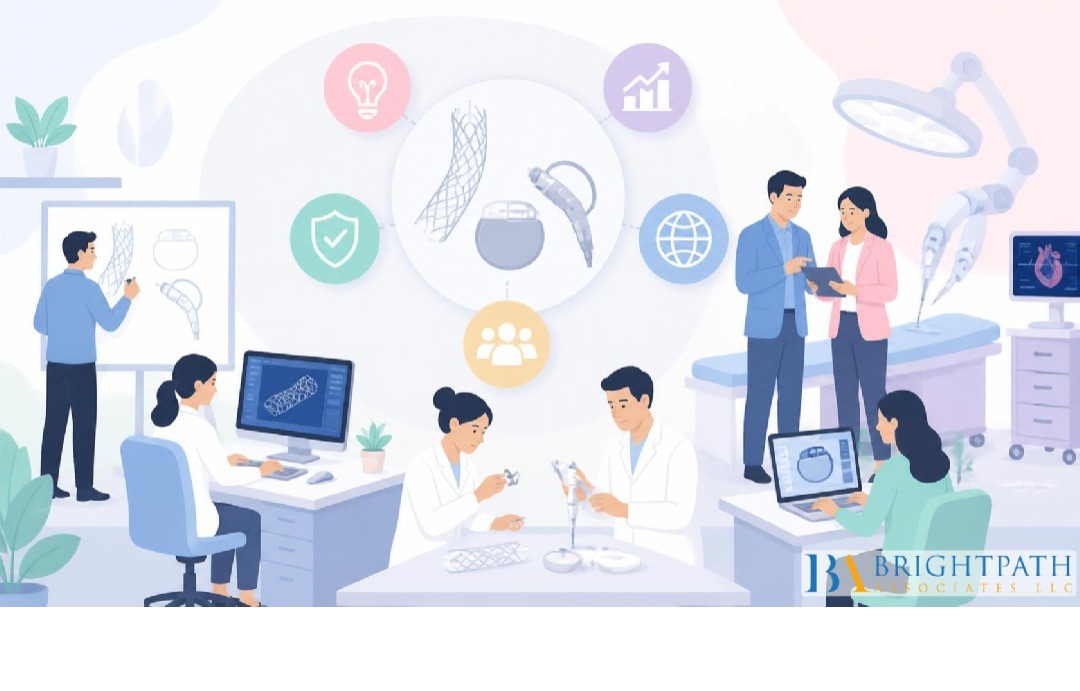
The #MedicalDeviceIndustry is experiencing unprecedented disruption driven by rapid technological advancements, evolving regulatory landscapes, and shifting market demands. To maintain a competitive edge, companies must adopt innovative strategies that address these changes. This article explores key strategies for staying ahead in the medical device market, focusing on innovation, regulation, artificial intelligence, risk management, commercialization, international expansion, cybersecurity, robotics, clinical data, strategic partnerships, and executive recruitment.
Embracing Medical Device Innovation
Innovation is the cornerstone of the medical device industry, enabling companies to develop cutting-edge solutions that improve patient outcomes. Companies should invest in research and development to create novel products and technologies that meet emerging healthcare needs. By fostering a culture of innovation, businesses can stay ahead of competitors and drive market growth. Collaborating with academic institutions and startups can also provide access to new ideas and technologies, further fueling innovation.
The regulatory landscape for medical devices is continually evolving, with stricter requirements for safety and efficacy. Companies must stay informed about regulatory changes and ensure compliance to avoid market access delays and costly penalties. Establishing a dedicated regulatory affairs team can help navigate complex regulations and streamline the approval process. Additionally, investing in regulatory technology solutions can improve efficiency and accuracy in managing compliance.
Leveraging Medical Device AI
#ArtificialIntelligence (AI) is transforming the medical device industry by enhancing product capabilities and improving patient care. Companies can leverage AI to develop smarter devices that offer predictive analytics, personalized treatment plans, and real-time monitoring. Integrating AI into product design and development processes can also streamline operations and reduce costs. However, it is crucial to address ethical considerations and ensure AI applications comply with regulatory standards.
Effective risk management is essential for ensuring the safety and reliability of medical devices. Companies must develop robust risk management frameworks that identify, assess, and mitigate potential risks throughout the product lifecycle. This includes conducting thorough risk assessments, implementing quality control measures, and maintaining comprehensive documentation. A proactive approach to risk management can prevent costly recalls and enhance product credibility.
Strategies for Medical Device Commercialization
Commercialization is a critical phase in bringing medical devices to market. To succeed, companies must develop strategic marketing plans that highlight product benefits and differentiate them from competitors. Understanding target markets and customer needs is essential for crafting effective messaging and positioning. Companies should also invest in building strong sales and distribution networks to reach healthcare providers and end-users efficiently.
Exploring Medical Device International Expansion
The global medical device market offers significant growth opportunities for companies willing to expand internationally. However, entering new markets requires a thorough understanding of local regulations, cultural nuances, and market dynamics. Companies should conduct comprehensive market research and establish partnerships with local distributors and healthcare providers to facilitate entry. Adapting products to meet regional needs and preferences can also enhance success in international markets.
As medical devices become increasingly connected, cybersecurity has emerged as a critical concern. Companies must implement robust cybersecurity measures to protect devices from cyber threats and ensure the safety and privacy of patient data. This involves conducting regular security assessments, employing encryption technologies, and staying updated on emerging #CybersecurityThreats. Collaborating with cybersecurity experts can also enhance a company’s ability to safeguard its devices.
Advancements in Medical Device Robotics
Robotics is revolutionizing the medical device industry by enabling precise and minimally invasive procedures. Companies can capitalize on this trend by investing in the development of robotic-assisted devices that enhance surgical outcomes and reduce recovery times. Collaborating with research institutions and engaging in clinical trials can accelerate innovation in this area. Additionally, educating healthcare professionals on the use of robotic devices can facilitate adoption and drive market growth.
Clinical data is invaluable for demonstrating the safety and efficacy of medical devices. Companies must invest in data analytics solutions to analyze and interpret clinical data effectively. This can inform product development, improve patient outcomes, and support regulatory submissions. Establishing partnerships with healthcare providers and research organizations can also enhance data collection and analysis efforts.
Building Medical Device Strategic Partnerships
Strategic partnerships are essential for #DrivingInnovation and expanding market reach in the medical device industry. Companies should seek collaborations with academic institutions, research organizations, and other industry players to access new technologies and expertise. Such partnerships can facilitate product development, enhance credibility, and open new market opportunities. Establishing joint ventures and licensing agreements can also provide access to complementary assets and capabilities.
Conclusion
In a rapidly evolving industry, having the right leadership is crucial for navigating challenges and driving growth. #ExecutiveSearchRecruitment plays a vital role in identifying and attracting top talent with the expertise and vision to lead medical device companies successfully. Companies should work with specialized recruitment firms that understand the industry’s nuances and can identify candidates with the right skills and experience. Building a strong leadership team can provide strategic direction and ensure the long-term success of a medical device company.
In conclusion, the medical device industry is poised for significant disruption, and companies must adopt innovative strategies to stay ahead. By focusing on innovation, regulatory compliance, AI, risk management, commercialization, international expansion, cybersecurity, robotics, clinical data, strategic partnerships, and executive recruitment, businesses can navigate market changes and drive sustainable growth.
Find your next leadership role in Medical Devices Industry today!
Stay informed with the latest insights on Medical Devices Industry!