
Introduction
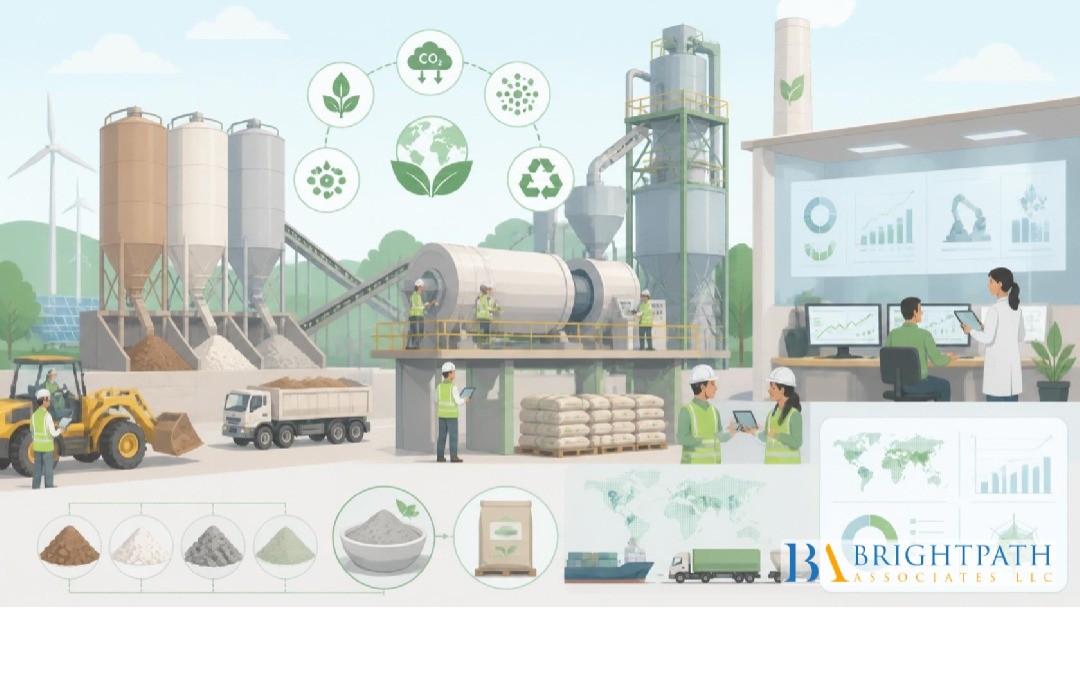
The #ConstructionIndustry is facing an unprecedented challenge: balancing the demand for building supplies with the need for sustainable construction practices. As global supply chains are disrupted, the search for innovative solutions becomes imperative. One promising approach is the use of calibrated clay and low-carbon additives in construction materials. This method not only addresses supply shortages but also contributes to reducing the environmental impact of concrete production and other building technologies.
Understanding the Importance of Sustainable Construction
Sustainable construction has become a pivotal focus in the modern building industry. With increasing awareness of environmental issues, there is a pressing need to develop materials and technologies that minimize ecological footprints. Sustainable construction involves using building supplies that are not only durable but also environmentally friendly. This approach encompasses everything from the types of materials used to the methods of production and recycling.
Concrete production, for example, is a major contributor to carbon emissions globally. By integrating low-carbon additives such as calibrated clay, the industry can significantly reduce its carbon footprint. These additives help in producing stronger, more durable concrete while requiring less energy in the production process. This not only reduces emissions but also leads to cost savings, making it a viable option for both economic and environmental reasons.
The Role of Calibrated Clay in Construction Materials
#CalibratedClay is a refined form of clay that has undergone specific treatment processes to enhance its properties. In construction materials, it acts as a low-carbon additive that can replace traditional materials such as Portland cement. The use of calibrated clay in concrete production is particularly beneficial as it reduces the overall carbon emissions associated with cement manufacturing.
The incorporation of calibrated clay into building supplies can lead to improved durability and longevity of construction projects. It enhances the mechanical properties of concrete, making it more resistant to wear and tear. Additionally, calibrated clay helps in reducing the thermal conductivity of concrete, which improves energy efficiency in buildings. This is particularly important in the context of building technology, where energy conservation is a key concern.
Addressing Supply Shortages Through Innovation
supply chain disruptionsMoreover, the adaptability of calibrated clay allows for its use in various applications, from residential to industrial projects. This versatility makes it an attractive option for builders and developers looking for reliable building supplies. As the demand for construction materials continues to grow, the integration of such innovative solutions becomes crucial in ensuring the industry’s sustainability and adaptability. At the same time, organizations can strengthen their competitive advantage by partnering with #ExecutiveSearchRecruitment specialists to secure experienced leaders who can drive innovation, manage evolving supply chains, and successfully implement sustainable construction strategies.
Navigating Building Regulations and Standards
#BuildingRegulations play a significant role in shaping the construction landscape. As governments worldwide impose stricter regulations on emissions and environmental impact, the construction industry must adapt to these changes. Calibrated clay and other low-carbon additives align with these regulatory requirements, offering a compliant solution for modern construction projects.
Adopting sustainable construction practices that incorporate calibrated clay can help companies meet these regulations more easily. This not only ensures compliance but also positions companies as leaders in sustainable practices, enhancing their reputation and marketability. As regulatory frameworks continue to evolve, having adaptable and environmentally friendly building supplies will be essential for staying competitive in the industry.
Economic Implications for the Construction Industry
The integration of calibrated clay and low-carbon additives in construction materials has significant economic implications. While the initial cost of adopting new technologies might be higher, the long-term savings and benefits outweigh these expenses. Reduced energy consumption, decreased material costs, and enhanced building durability contribute to overall cost efficiency.
In addition, the shift towards sustainable construction materials can create new job opportunities within the industry. As demand for innovative building supplies increases, so does the need for skilled workers capable of implementing these technologies. This can lead to growth in construction jobs, providing economic benefits to communities and supporting the overall economy.
Embracing Material Recycling and Resource Efficiency
#MaterialRecycling is an integral part of sustainable construction. By utilizing recycled materials, the construction industry can reduce waste and conserve natural resources. Calibrated clay and low-carbon additives can be integrated into recycled materials, further enhancing their environmental benefits.
Resource efficiency is improved by reducing the need for new raw materials and minimizing waste production. This not only helps in addressing supply shortages but also contributes to a more sustainable construction economy. As industries worldwide strive to achieve circular economy goals, the recycling of building supplies becomes an essential component of this transition.
The Future of Construction with Calibrated Clay
The future of the construction industry lies in its ability to adapt to changing environmental, economic, and regulatory landscapes. Calibrated clay and low-carbon additives present an opportunity to revolutionize the way construction materials are produced and utilized. By prioritizing sustainable construction practices, the industry can address current challenges while paving the way for a more sustainable future.
As building technology continues to advance, the role of innovative materials like calibrated clay will become increasingly significant. This shift not only benefits the environment but also enhances the efficiency and cost-effectiveness of construction projects. By embracing these changes, the construction industry can ensure its longevity and relevance in a rapidly changing world.
Conclusion
Calibrated clay and low-carbon additives offer a promising solution to the supply shortages and environmental challenges faced by the construction industry today. By integrating these materials into construction practices, the industry can achieve significant improvements in sustainability, efficiency, and compliance with building regulations. As the demand for sustainable construction continues to grow, the adoption of such innovative technologies will be crucial in shaping the future of construction materials and building supplies. Embracing this change not only addresses current challenges but also sets the foundation for a more resilient and #SustainableConstructionIndustry.
Find your next leadership role in Building Materials Industry today!
Stay informed with the latest insights on Building Materials Industry!