
Introduction
In today’s rapidly evolving industrial landscape, labor shortages have become a prominent challenge for many manufacturing sectors. As companies strive to maintain productivity and efficiency, the integration of robotic assistants for repetitive packaging tasks emerges as a compelling solution. By leveraging #IndustrialAutomation, manufacturers can mitigate the impact of labor shortages while enhancing their operational capabilities.
The Rise of Industrial Automation
Industrial automation has transformed the manufacturing industry, offering a myriad of benefits that extend beyond mere labor substitution. Automation solutions in manufacturing now incorporate advanced technologies such as PLC programming services, SCADA systems, and control systems to achieve unprecedented levels of efficiency and precision. As industries adopt these technologies, they are better equipped to handle the pressures of modern production demands
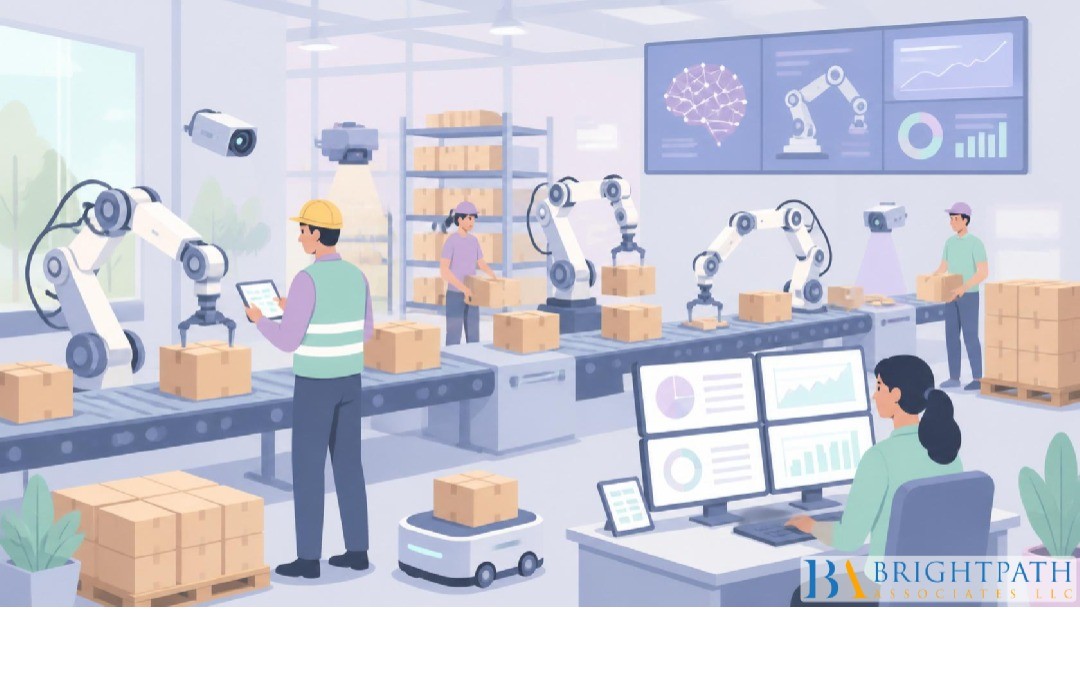
Robotic integration into packaging processes is particularly advantageous in addressing labor shortages. Packaging tasks often involve repetitive actions that can lead to worker fatigue and errors. By deploying robotic assistants, companies can ensure consistency, reduce human error, and boost overall productivity. Robots excel in performing tasks that require repetitive motion, precision, and speed, making them ideal for packaging operations.
Overcoming Labor Shortages with Automation Solutions
The implementation of automation solutions in manufacturing not only addresses labor shortages but also creates new opportunities for growth and innovation. As the demand for automation jobs increases, the need for skilled professionals in executive search industrial automation becomes more pronounced. Companies must focus on identifying and recruiting talent capable of managing and optimizing these automated systems.
The success of manufacturing automation heavily relies on the expertise of its workforce. Through effective #ExecutiveSearchRecruitment, companies can find professionals with the necessary skills in robotics integration, PLC programming services, and SCADA systems management. These individuals play a crucial role in ensuring the seamless operation of automated processes and the overall success of the automation strategy.
To fully benefit from industrial automation, companies should invest in training and development programs for their current workforce. By upskilling employees in areas such as control systems and industrial machine vision, manufacturers can ensure a smooth transition to automation while retaining valuable human capital. Training programs help bridge the skills gap and prepare workers for the evolving demands of the industry.
Challenges and Considerations
While the benefits of robotic assistants in packaging tasks are evident, companies must consider several challenges associated with their integration. Initial setup costs, potential downtime during implementation, and the need for ongoing maintenance and support are critical factors to address.
The cost of deploying robotic systems can be significant, especially for small to medium-sized enterprises. However, companies can mitigate these expenses by seeking #AutomationSolutionsManufacturing that offer scalable options. Leasing robots or opting for modular systems that allow incremental upgrades can also help manage costs effectively.
Successful robotics integration requires careful planning and execution. Companies must ensure that their existing infrastructure can support the new technology and that employees are trained to handle the transition. Regular maintenance and updates are essential to keep the systems running smoothly and to adapt to any changes in production requirements.
The Future of Robotics in Manufacturing
The future of manufacturing automation lies in the continued evolution of robotics and related technologies. As advancements in artificial intelligence, machine learning, and the Internet of Things (IoT) progress, the capabilities of robotic systems will expand further. These developments promise even greater efficiencies and innovations in packaging and other manufacturing processes.
SCADA systems play a pivotal role in monitoring and controlling automated processes. By providing real-time data and analytics, these systems enable manufacturers to make informed decisions and optimize their operations. The integration of SCADA with #RoboticSystems enhances the overall effectiveness of manufacturing automation, paving the way for smarter and more responsive production lines.
As organizations adopt more sophisticated automation strategies, the demand for skilled professionals in automation jobs will continue to rise. This trend underscores the importance of investing in education and training initiatives to prepare the workforce for the challenges and opportunities of the digital age.
Conclusion
In conclusion, #RoboticAssistants for repetitive packaging tasks offer a viable solution to the labor shortages facing the manufacturing industry. Through the strategic implementation of industrial automation, companies can enhance their productivity, accuracy, and cost-effectiveness. By focusing on executive search recruitment and workforce development, manufacturers can ensure they have the skilled personnel needed to support and optimize their automation strategies.
The integration of robotics, combined with advancements in control systems and SCADA systems, positions the manufacturing sector for a future of innovation and growth. As the industry continues to evolve, embracing automation will not only address current labor challenges but also unlock new possibilities for efficiency and competitiveness.
Find your next leadership role in Industrial Automation Industry today!
Stay informed with the latest insights on Industrial Automation Industry!