
Introduction
The #AgriculturalSector stands at a pivotal juncture, where traditional practices meet emerging technologies and innovative solutions. Among these new opportunities lies soil carbon credits, a promising avenue for revenue diversification. As the conversation around climate change intensifies, so does the focus on sustainable farming practices that can help mitigate environmental impacts. Soil carbon credits offer a dual benefit: they present a financial opportunity for farmers while contributing to global sustainability goals.
Understanding Soil Carbon Credits
Soil carbon credits are part of a broader carbon credit market, where credits are earned by reducing carbon dioxide emissions. In agriculture, these credits are generated through practices that enhance soil’s ability to sequester carbon. This process not only improves soil health and boosts food production but also provides farmers with an additional revenue stream.
The concept is straightforward: farmers adopt sustainable farming practices, such as organic farming or precision agriculture, which increase the carbon stored in soils. These practices are verified and quantified, and the resulting carbon credits can be sold to companies seeking to offset their emissions. This system creates a financial incentive for farmers to engage in sustainable agriculture, aligning economic interests with environmental goals.
Integration of Agricultural Technology
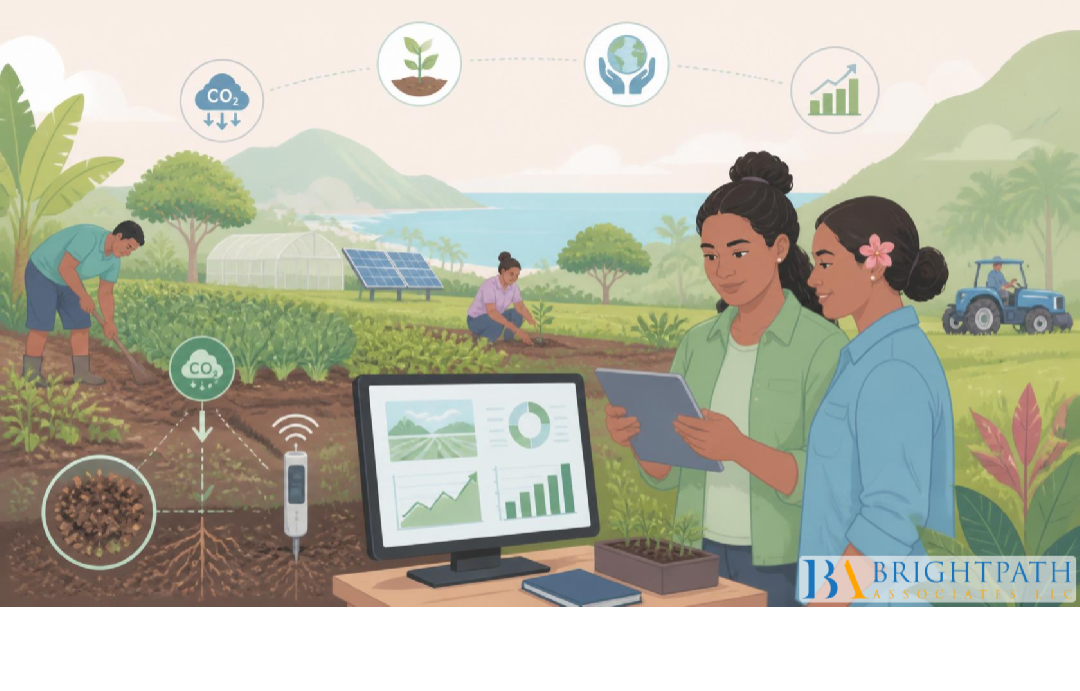
The success of soil carbon credit initiatives heavily relies on the integration of agricultural technology. Digital farming tools and farm management software play a crucial role in measuring and verifying carbon sequestration efforts. Precision agriculture, for instance, enables farmers to apply inputs like water and fertilizers more efficiently, reducing emissions and enhancing soil health.
#AgriculturalInnovation is key to unlocking the potential of soil carbon credits. By leveraging technology, farmers can optimize their operations, making sustainable practices more feasible and profitable. The use of sensors, drones, and satellite imagery allows for accurate monitoring of soil conditions, ensuring that carbon sequestration efforts are effective and measurable.
The Role of Sustainable Agriculture Investment
Investment in sustainable agriculture is a driving force behind the adoption of carbon-friendly practices. As investors increasingly seek out opportunities that align with environmental, social, and governance (ESG) criteria, the demand for sustainable agriculture investment grows. This influx of capital can support the development of new technologies and the implementation of sustainable farming practices.
Moreover, #ExecutiveSearchRecruitment is critical in bringing leaders and experts into the agricultural sector who understand the complex dynamics of carbon markets and sustainability. These professionals can guide the industry in developing strategies that maximize both environmental and economic benefits, ensuring that agricultural sustainability is at the forefront of decision-making.
Challenges and Opportunities
While the potential of soil carbon credits is significant, there are challenges that must be addressed to fully realize this opportunity. One major hurdle is the complexity of measuring and verifying carbon sequestration. Accurate assessment requires sophisticated technology and methodologies, which can be costly and technically demanding.
Additionally, the regulatory framework surrounding carbon credits is still evolving. For farmers to confidently invest in #SustainablePractices, they need assurance that the carbon credits they generate will be recognized and valued in the market. This requires clear and consistent policies that support the development of a robust carbon credit market.
Despite these challenges, the opportunities are vast. The agricultural sector can lead the way in the fight against climate change, transforming traditional farming practices into a model of sustainability. By embracing agricultural technology and innovation, farmers can increase their resilience to climate impacts while diversifying their revenue streams through soil carbon credits.
The Future of Food Production and Agricultural Sustainability
The future of food production lies in the harmonization of economic and environmental interests. As the global population continues to grow, the demand for food will increase, placing additional pressure on agricultural systems. Sustainable farming practices, supported by digital farming technologies, will be essential in meeting these demands while minimizing environmental harm.
Farmers and agricultural stakeholders must collaborate to develop solutions that balance productivity with sustainability. This includes investing in precision agriculture technologies that optimize resource use and minimize emissions. By doing so, the agricultural sector can enhance its contributions to global food security while advancing agricultural sustainability.
Conclusion
The untapped potential of soil carbon credits represents a transformative opportunity for the agricultural industry. By aligning economic incentives with environmental stewardship, soil carbon credits offer a pathway to sustainable farming and agricultural innovation. The integration of agricultural technology, investment in sustainable practices, and the development of a supportive regulatory framework will be critical in realizing this potential.
As the world faces the dual challenges of climate change and food security, the agricultural sector has the opportunity to lead by example. By embracing the #RevenueDiversification offered by soil carbon credits, farmers can ensure a sustainable and prosperous future for themselves and the planet. The journey towards agricultural sustainability is complex but promising, and with the right strategies and investments, it can yield significant rewards.
Find your next leadership role in Farming Industry today!